


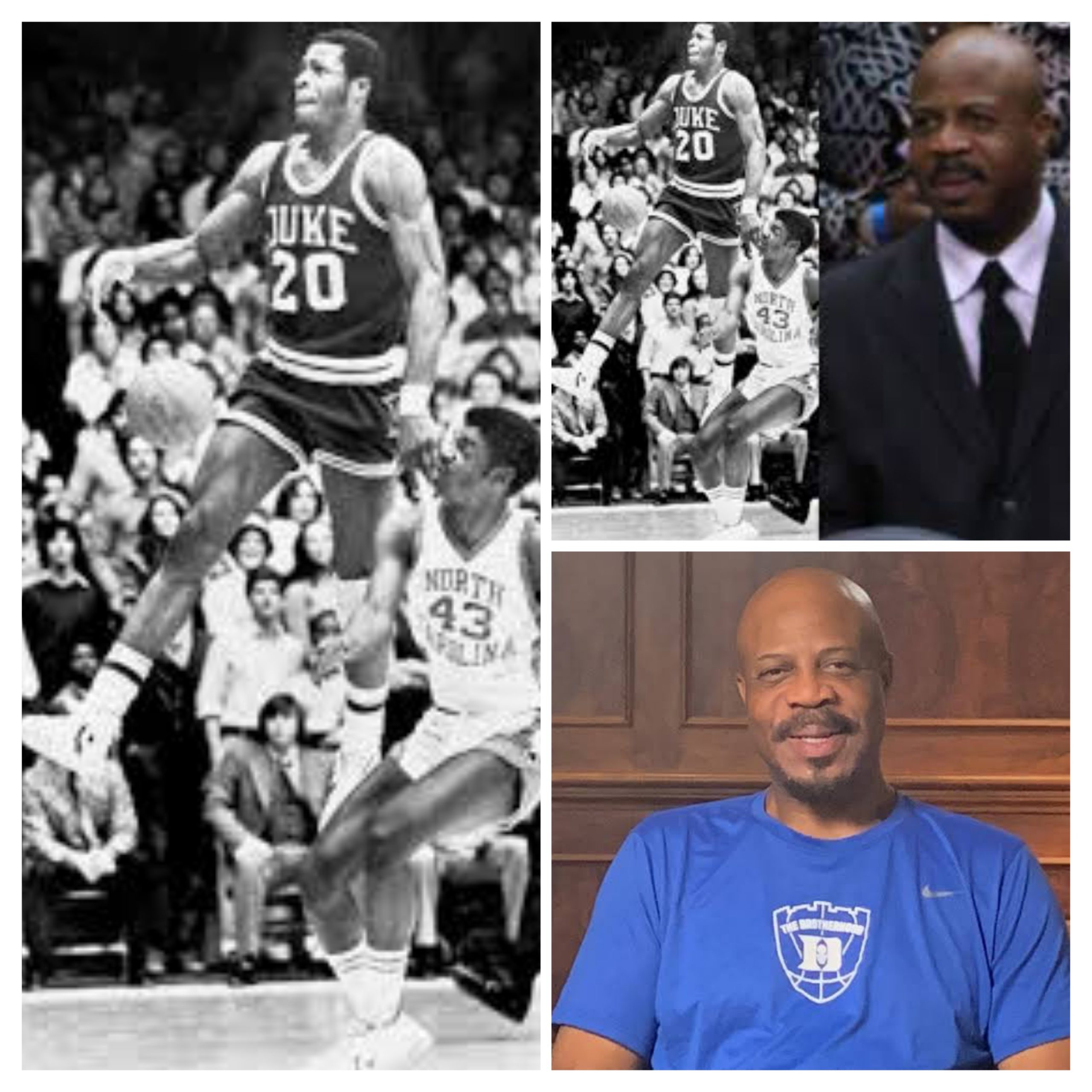
When the story of Duke basketball is told, it often begins with Mike Krzyzewski and crescendos through Christian Laettner’s shot, Grant Hill’s elegance, J.J. Redick’s fire, and Zion Williamson’s force of nature. But before the banners, before the dynasty, before “Cameron Crazies” became a national brand—there was Gene Banks.
A Philadelphia native with undeniable talent and charismatic flair, Banks was one of the nation’s top recruits in 1977. His decision to choose Duke, a school with little national basketball prestige and limited diversity at the time, was not just surprising—it was revolutionary.
The First Star
In the late 1970s, Duke was a respected academic institution but not a basketball destination. The Blue Devils had seen success in spurts—Final Four trips in the 1960s under Vic Bubas—but the program lacked staying power on the national stage.
Then came Gene Banks.
He had offers from everywhere: UCLA, Kentucky, Indiana, North Carolina. But Banks stunned the college basketball world when he picked Duke, a predominantly white institution in the South. “It was about more than basketball,” Banks once said. “It was about making a difference.”
Banks became the most highly recruited Black player to sign with Duke at the time, a move that symbolized a cultural and competitive shift. His arrival marked the beginning of Duke’s ascent from afterthought to powerhouse.
Banks the Ballplayer
Standing 6-foot-7 with a muscular frame and smooth athleticism, Banks was an instant star. He helped lead Duke to the 1978 NCAA Championship game as a freshman, where they lost to Kentucky. But his presence on that stage signaled Duke’s new potential.
Over four years, Banks averaged 16.8 points and 7.9 rebounds per game, was a three-time All-ACC selection, and left as the school’s third all-time leading scorer. His versatility and leadership were unmatched, and his flair on the court—like his trademark headband and no-look passes—made him a fan favorite.
And yet, the appreciation didn’t extend as far as it should have.
Facing the Silence
Banks was a trailblazer at Duke, but not without facing the weight of being one of the few Black stars at a time when the campus, the conference, and the region were still evolving in their relationship with race. In interviews years later, Banks recalled being called slurs by opposing fans, enduring subtle isolation on campus, and often feeling like an outsider despite his success.
I was the guy who had to do everything right, all the time,” he said in a retrospective interview. “There wasn’t room for mistakes.”
While his on-court production was undeniable, his contributions were often overlooked in favor of the names that came after him—players who benefited from the platform Banks helped build.
When Coach K arrived at Duke in 1980, Banks was already a junior. Their one year together laid a critical foundation, but Banks graduated before Duke’s golden era began. As Krzyzewski’s teams flourished in the late ’80s and ’90s, history slowly faded Banks’ pioneering role into the background.
Forgotten in the Glory
Despite his stats, his leadership, and his trailblazing presence, Gene Banks is rarely mentioned in the same breath as Duke’s all-time greats. He doesn’t have a retired jersey in Cameron Indoor Stadium. His legacy is not etched on banners. His story isn’t part of the highlight reels that loop during Duke home games.
Without Gene Banks, there’s no Christian Laettner. No Grant Hill. No Duke as we know it,” said one former teammate. “He was the bridge between what Duke was and what Duke could become.”
Banks went on to play in the NBA for several seasons with the San Antonio Spurs and the Chicago Bulls, continuing his career with professionalism and poise. But for many who knew his impact at Duke, the lack of recognition from the institution he helped elevate has been disheartening.
A Legacy Worth Reclaiming
In recent years, there have been quiet movements to restore Gene Banks to the place of honor he deserves within the Duke basketball story. Alumni, fans, and former players have called for the retirement of his jersey. Others have proposed an annual award in his name for players who exhibit leadership and perseverance.
Banks himself has remained humble, continuing to coach and mentor young athletes. “I don’t need a statue,” he once said. “But I do hope the truth of what we did, what we overcame, is told.”
The truth is this: Gene Banks walked so Duke basketball could run. He brought swagger, skill, and courage to a program that would become a dynasty, and he did so while carrying a burden few could understand.
It’s time that burden was acknowledged, and his name lifted alongside the legends he helped make possible.
Epilogue: Beyond the Stat Sheets
Gene Banks was more than a scorer or a rebounder—he was a pioneer who redefined what was possible for Duke basketball. And while others may have reaped the glory, it was Banks who planted the seeds.
In telling his story, we not only correct a historical oversight—we celebrate a man whose silent sacrifice changed the game forever.




