


A Coach, A Tradition — And Something Bigger Than Wins
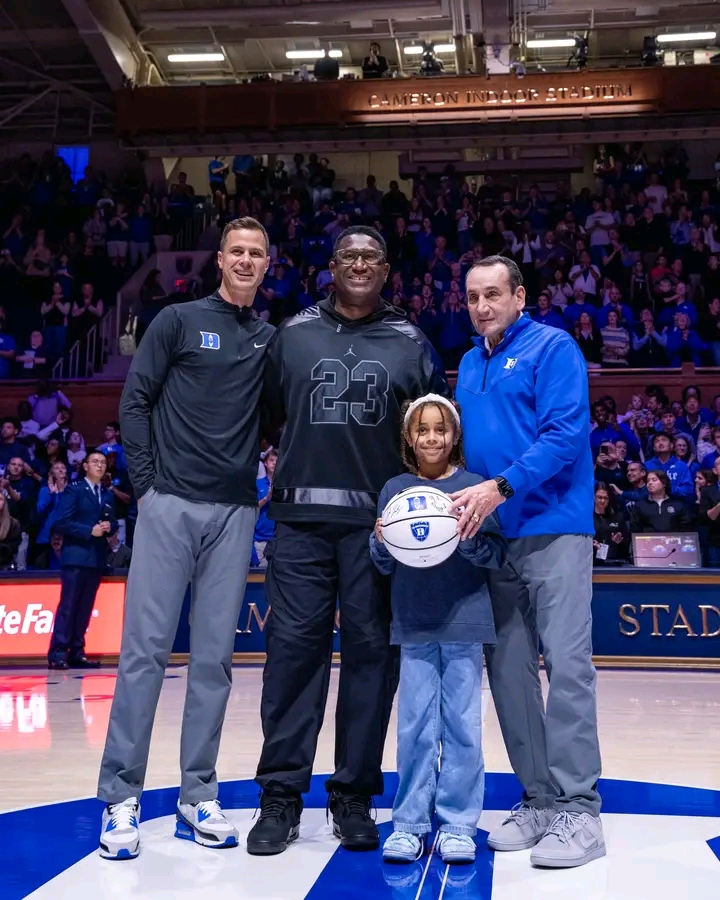
When former Duke captain Kenny Blakeney stepped back into Cameron Indoor Stadium for the 2025 Brotherhood Run, it wasn’t just another game day. It was a homecoming — a reunion of legacies.
Blakeney, who led Duke as a player in the early ’90s, now coaches Howard University’s men’s basketball team. On this weekend, he reunited with two of his former Blue Devil brethren: current Duke head coach Jon Scheyer and Niagara head coach Greg Paulus.
But the Brotherhood Run is far more than nostalgia or alumni pride. It’s a statement — about leadership, heritage, and a shared mission of building more than just basketball teams. And during a recent conversation with Coach Blakeney, it became clear what makes this event so powerful and what his deeper vision is for college basketball’s future.
“It’s Not About Banners Anymore” — Blakeney’s Philosophy On Legacy
Blakeney described the Brotherhood Run as “less a reunion and more a reflection of the values we carry.”
That line stood out. Because in today’s sport — where stats, rankings, and transfer portals dominate headlines — it’s rare to hear someone talk about legacy in terms of identity, values, and purpose.
He talked about how his time at Duke, under Coach K, molded him not just as a player but as a man. Not just to compete, but to lead with integrity.
Now, as a coach at Howard, Blakeney’s mission goes beyond X’s and O’s. He wants to build men. Men prepared for success not only on the court, but in life — men ready for fatherhood, responsibility, community; men who understand that basketball is a platform, not just a game.
That kind of intent — about culture, growth, identity — doesn’t always show up in box scores. But it defines programs, shapes futures, and builds something far deeper than wins.
Brotherhood Run: More Than Just Games — A Living Legacy
This year’s Brotherhood Run includes Duke, Niagara (coached by former Duke guard Greg Paulus), and Howard under Blakeney’s leadership.
The three days at Cameron Indoor — Nov. 21–23, 2025 — mark first-time matchups (Howard vs. Duke) and reunions of former teammates turned rivals. Yet the event isn’t purely competitive. It’s symbolic — a living testament to what it means to be a “Brother” in the game of basketball.
Blakeney put it plainly: “This tournament is not simply about basketball. It is about the arc of leadership. It is about legacy not as something inherited, but something extended. And it is about the responsibility we carry — not only to the game, but to the young men we coach, the institutions we serve and the futures we are helping to build.”
That’s heavy stuff. And it’s inspiring — because it returns the focus to what really matters beyond the hardwood.
Coaching With Purpose: Blakeney’s Mission At Howard
Leading Howard is no easy task. As a historically Black institution competing in the MEAC, resources and visibility don’t always compare to power-conference programs. Yet Blakeney has pushed Howard forward.
Under his tenure, the Bison have earned back-to-back NCAA tournament appearances, reclaimed pride, and began to carve a path out of underdog status.
But Blakeney isn’t content with just wins — he wants transformation. He’s emphasized building a culture, instilling accountability, and shaping young men for life beyond college hoops.
In his own words, he blends forward-thinking ideas, leadership, and a sense of purpose that transcends typical coaching philosophies.
He made clear: success isn’t just measured in 20-win seasons or tournament bids. It’s measured in value, character, and impact — on players, on communities, on lives.
What His Return To Cameron Means — And Why It Matters
When a former player comes back as a head coach — to the place where he cut his teeth, sweat, and learned about honor — it always carries weight. But Blakeney’s return carries more than nostalgia. It carries potential, symbolism, and a reminder that basketball’s purpose can be bigger than the scoreboard.
For Howard, this isn’t just a game — it’s validation. A chance for HBCU basketball to step onto one of the sport’s biggest stages and show what resilience, culture, and heart look like.
For Duke and its fans, it’s a moment to reflect on what the program once was, what it is, and what it hopes to become through the next generation of leaders. Through Scheyer, Paulus, and Blakeney — all of whom wore the Blue Devil jersey — the Brotherhood Run reminds the world that championship heritage is more than trophies. It’s about values that endure, lessons that persist, and a bond that transcends rivalries.
What Blakeney Said — That Stuck With Me
Toward the end of our conversation, Blakeney said something plain, yet profound:
“The Brotherhood is not a fixed identity. It is an evolving promise. One we intend to keep — together.”
That line echoed long after we stopped talking. Because it frames the Brotherhood not as a nostalgia act, but as a living, breathing mission — one that evolves with each new game, each new player, and each new chapter.
The Brotherhood Run isn’t a one-off gimmick. It’s not just an alumni weekend. It’s a blueprint — for coaching with values, for elevating programs, for building real men, communities, and futures.
Why You Should Watch, Care, And Pay Attention
Because this is more than a tournament. The Brotherhood Run sends a message: college basketball can still be about character, legacy, culture — not just branding and NIL.
Because HBCUs like Howard deserve the spotlight. With Blakeney at the helm, Howard isn’t just competing — it’s trying to rewrite history.
Because the next generation of leaders is being shaped right now. Coaches like Blakeney — former players who understand the cost, the sacrifice, and the values — could define what college hoops means in the coming decade.
Because this is real, not performative. The Brotherhood Run isn’t just done for clicks or social media buzz. It’s rooted in belief, accountability, and shared purpose.
If you care about basketball with soul — about players who are more than athletes — then what Blakeney is building deserves your attention.
Final Word: The Brotherhood Is Alive — And Growing
As Coach Blakeney spoke about legacy, leadership, and responsibility, it was clear: this wasn’t just nostalgia talking. This was vision.
The Brotherhood Run, under his influence and that of his fellow Duke alumni, is setting a new tone for college basketball — one where heritage isn’t weighed by banners, but by character.
So watch the games. Watch the coaches. Watch the impact. Because this Saturday, when Howard steps onto the Cameron court, they won’t just be playing for a win. They’ll be carrying the weight of history — and the promise of what’s still to come.
And that… is something worth watching.




