


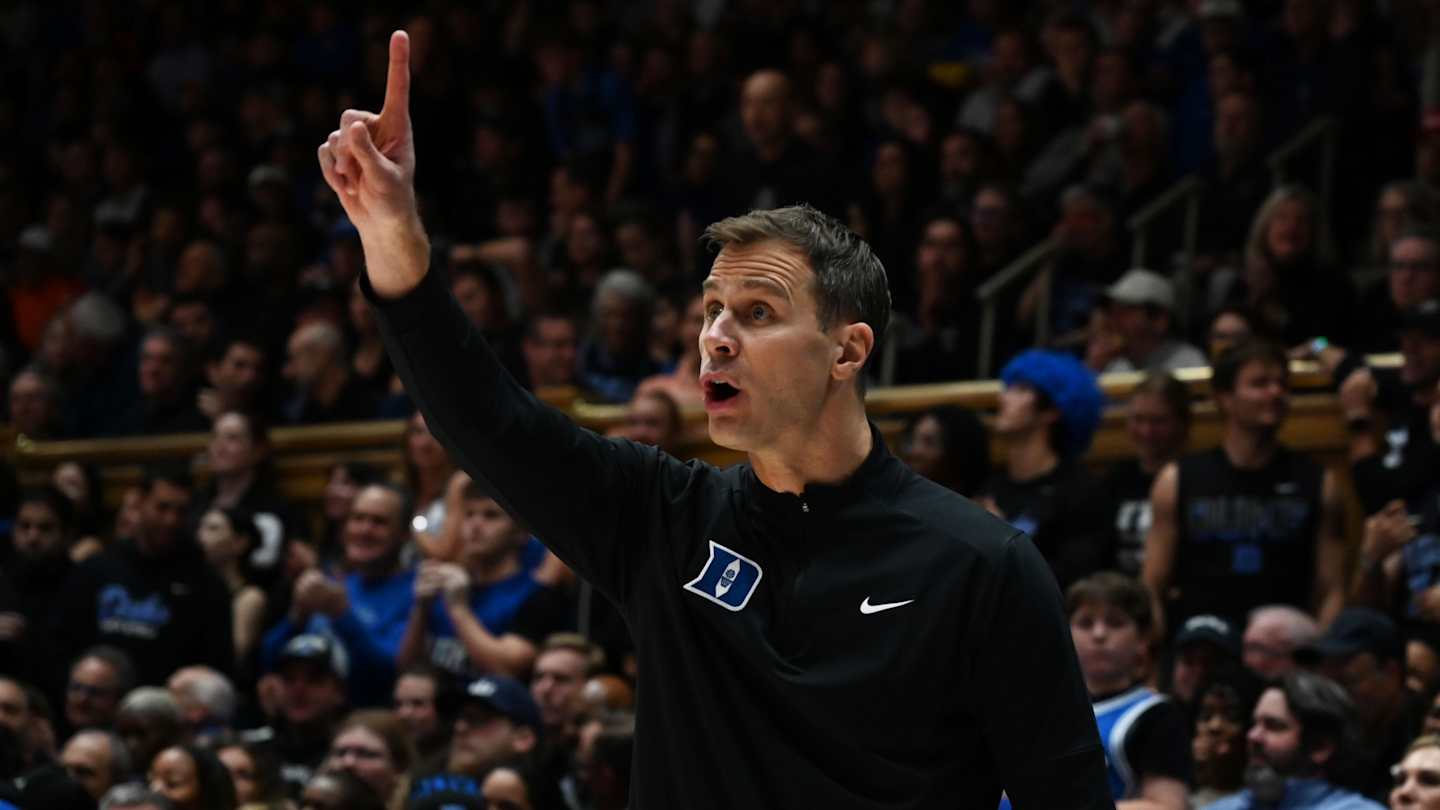
Jon Scheyer’s momentum on the recruiting trail has transformed Duke basketball into an unstoppable magnet for elite talent, and the 2026 class is shaping up to be one of his most compelling triumphs yet. What Scheyer is doing is not merely assembling another strong group of players—he’s building a sustainable pipeline of stars who fit Duke’s identity, elevate its competitive ceiling, and set new expectations for what modern roster-building looks like in Durham.
Headlining this electric 2026 class is Cameron Williams, a projected one-and-done lottery pick whose rise has been nothing short of meteoric. Over the past year, Williams has soared 29 spots in national rankings, earning recognition as one of the most dynamic and polished young prospects in high school basketball. A versatile scorer with explosive athleticism and a high defensive motor, Williams embodies the modern Duke recruit: confident, skilled, and ready to impact winning from Day 1. His decision to commit early underscores the confidence elite players continue to show in Scheyer’s leadership and vision.
But Williams isn’t arriving alone. The class also features another elite weapon in Bryson Howard, a five-star wing out of Heritage High School (Texas). Howard brings basketball pedigree—he is the son of former NBA All-Star Josh Howard—but more importantly, he brings a two-way versatility and competitiveness that perfectly complements Williams. Howard’s combination of length, shooting ability, and feel for the game makes him a tailor-made piece for Duke’s system. The idea of pairing Williams’ dynamic explosiveness with Howard’s perimeter craft has already generated buzz across the college basketball landscape.
Rounding out the group so far is Maxime Meyer, a rapidly ascending 7-footer from IMG Academy in Florida. Though currently rated as a four-star prospect, many evaluators believe Meyer is poised for a major rankings surge. His size and mobility immediately stand out, but it’s the skill he brings—touch around the rim, a developing face-up game, and advanced instincts in rim protection—that gives Duke fans reason to believe he could be one of the surprise gems of this class. Meyer represents the type of strategic, long-term roster addition that championship teams need: a high-upside center with room to grow and the foundation to become a major contributor.
Together, these three early signees give Duke the No. 5 recruiting class in the nation, with ample opportunity to climb even higher. Given the speed at which Scheyer has closed on elite targets in past cycles, it would surprise no one if the Blue Devils leap toward the top of the rankings once again before the finish line.
This surge of recruiting success is not new for Scheyer—it has become his trademark. Since taking over the program, he has assembled the nation’s top-ranked class in three of his first four recruiting cycles, an achievement that places him in rare company among modern college coaches. His ability to connect with players, articulate a clear developmental plan, and embrace both the NIL era and Duke’s basketball tradition has set a new standard. Under Scheyer, Duke isn’t merely maintaining the standard set during the Coach K era—it is evolving and thriving in a new era of college basketball.
This season’s roster offers a glimpse of what Scheyer’s recruiting victories can produce on the court. The Blue Devils’ current freshman class is loaded with star power, highlighted by Cameron Boozer, who recently earned both ACC Rookie of the Week and ACC Player of the Week honors. Boozer’s early dominance reinforces the idea that Scheyer is not only landing elite talent, but also helping young players transition seamlessly into high-level college basketball.
As the 2026 class continues to take shape, the excitement surrounding Duke basketball is as electric as ever. Fans see not only the raw potential of the incoming players but also the architect behind it all. Scheyer’s recruiting approach is precise, relational, and built on trust—and his track record proves it works. He is stacking up recruiting wins that translate directly into on-court success, postseason promise, and national relevance.
Duke’s 2026 class represents far more than individual star power. It signals a continuation of a recruiting dynasty that is being built with intention, stability, and long-term excellence in mind. The Blue Devils are not simply preparing for one strong season—they are building the framework for a sustained championship window.
With Williams, Howard, and Meyer already on board—and more targets still in play—the 2026 group may ultimately become another crown jewel in Scheyer’s rapidly growing portfolio. And for the rest of the college basketball world, one thing is becoming clearer by the year: Jon Scheyer is not just keeping Duke at the top of the sport—he’s raising the bar.




