


In the rapidly evolving world of NIL and athlete empowerment, a new debate is heating up across college sports — one that centers not on contracts or endorsements, but on fan behavior.
The latest flashpoint came Friday night in Nashville, where Kentucky fans loudly booed their team during a frustrating loss, raising fresh questions about what college athletes should reasonably be expected to endure.
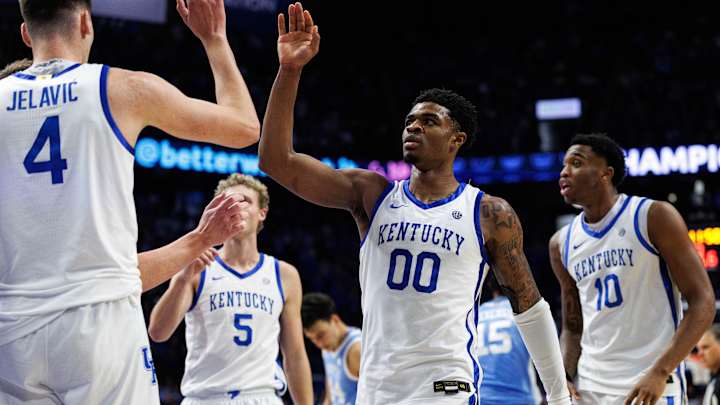
The outburst, which echoed through Bridgestone Arena as Kentucky stumbled through another uneven performance, left players visibly shaken. Several Wildcats appeared rattled during timeouts, and social clips of the boos quickly went viral, triggering an immediate national conversation about fan entitlement in the NIL era.
For years, college sports operated under the idea that athletes were amateurs—students first, competitors second. But with Name, Image and Likeness deals now a regular part of the collegiate landscape, critics argue that fans feel more justified than ever voicing their displeasure publicly, believing the players are essentially professionals.
Supporters of that viewpoint say that NIL money changes the dynamic. To them, athletes who benefit financially are fair game for the kind of criticism long reserved for pros.
They point out that high expectations come with the territory, especially at programs like Kentucky where basketball is closer to a statewide identity than a weekend hobby.
But others see the situation differently, insisting that booing crosses a line—even in this new environment. They argue that NIL has not erased the reality that these are still teenagers navigating pressure, schoolwork, emotional development, and the intense spotlight of major college sports. Booing, they say, only magnifies mental-health challenges already documented throughout college athletics.
Several former Kentucky players joined the conversation online, noting that the pressure of wearing the uniform has always been immense. One former Wildcat said he understood the frustration but wished the fan base would “channel it into support instead of hostility,” especially when the team is clearly struggling to find chemistry.
Friday night’s boos also renewed scrutiny of fan expectations during rebuilding periods. Kentucky entered the season with a roster full of young talent, but with youth comes inconsistency.
Analysts pointed out that fans demanding overnight excellence often overlook the developmental process that was once seen as a normal part of college basketball.
The moment has also sparked debate among coaches across the country. Some silently sympathize with Kentucky’s staff, aware of how much more complicated roster-building has become in the transfer portal era. Others privately wonder whether fan impatience is becoming unsustainable at the major-program level.
At the heart of the issue lies a deeper question: does NIL justify pro-level reactions from fans, or is it simply a new chapter in an old story? College athletics has always walked a delicate balance between entertainment and education. The Nashville incident forces programs to confront the reality that balance may be shifting again.
Athlete-advocacy groups were quick to weigh in, emphasizing that NIL income varies drastically among players and should not be used as a blanket justification for harsh treatment. Many athletes make only modest amounts—nowhere near what some fans assume. Treating all players as highly paid professionals, they argue, is inaccurate and unfair.
Parents of current players also chimed in, some anonymously, expressing concern about the emotional strain their kids face. One parent said the boos hit harder because players “truly want to win for the fans,” making the hostility feel personal rather than motivational.
Meanwhile, inside the Kentucky program, staff members are reportedly focused on rebuilding confidence after the noisy backlash. Coaches understand the passion of the fan base but are also aware that negative energy can affect young players long after the final buzzer.
As the conversation continues, one thing is clear: NIL has changed the landscape, but it has not erased the humanity of the athletes who compete under the brightest lights.
Whether the boos in Nashville were justified is still up for debate—but the national reaction suggests fans everywhere may need to reconsider how far is too far in this new era of college sports.




