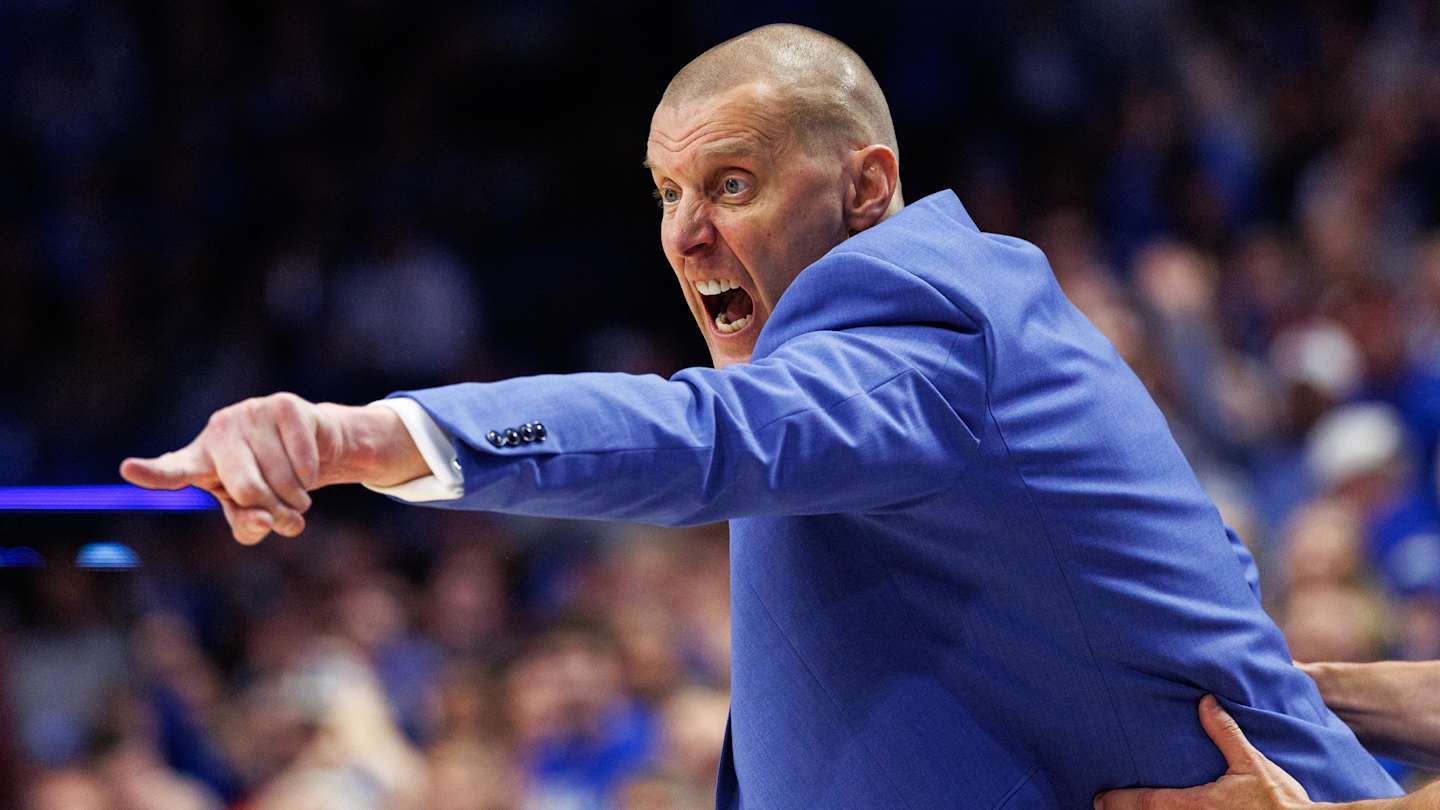
At a time when most fans are focused on the next game, the next opponent, or the next highlight, something quieter — and potentially far more important — is unfolding inside Kentucky basketball. It’s not happening on the court. It’s not showing up in box scores. And unless you’re listening carefully, you might miss it altogether. But behind closed doors, conversations are already taking place that could shape the Wildcats’ future well beyond this season. Kentucky isn’t waiting for spring. It isn’t waiting for the portal chaos to arrive. It’s already moving — and that alone tells a powerful story.
For years, roster continuity has been one of the most fragile elements in modern college basketball, and Kentucky has felt that reality as much as anyone. The combination of early NBA departures, transfer portal movement, and now NIL-driven decisions has turned roster management into a year-round chess match. What once happened after the season now happens during it. And according to recent reporting, Kentucky is leaning fully into that new reality.
The key phrase here is “already.” Kentucky has reportedly begun negotiating return deals with several players currently on the roster. That timing matters. It signals urgency. It signals planning. And most importantly, it signals a philosophical shift in how the program is approaching roster stability in the NIL era.
This isn’t about panic. It’s about control.
In previous seasons, Kentucky often found itself reacting to portal season rather than shaping it. Players would test the waters. Agents would explore options. Collectives would scramble. By the time decisions were made, the landscape had already shifted. What’s happening now feels different. Kentucky is trying to get ahead of the curve, laying groundwork before uncertainty takes hold.
That doesn’t mean deals are finalized. It doesn’t mean every player will return. Even the reporting makes clear that these agreements are harder to enforce and that things can change quickly once portal season arrives. But the act of engaging early matters. It sets expectations. It establishes communication. It builds trust.
And trust is currency in the NIL era.
One of the most important elements of this development is structure. For the first time in years, there appears to be a clearer framework guiding these conversations. Rather than informal, last-minute negotiations, Kentucky is approaching retention with a more organized plan. That structure doesn’t eliminate uncertainty, but it reduces chaos. It allows players to understand where they stand, what the program envisions for them, and how they fit moving forward.
That clarity hasn’t always existed — and its absence has been costly.
The portal era has punished programs that fail to communicate effectively with their own rosters. Silence creates speculation. Speculation invites outside voices. Outside voices often lead players elsewhere. By opening these conversations now, Kentucky is making a statement: current players matter, and their futures are being taken seriously.
There’s also an undeniable sense of urgency behind these talks. College basketball has changed, and Kentucky knows it. Waiting until March or April to address retention is no longer viable. By then, agents are calling, collectives are recruiting, and leverage shifts away from the program. Early engagement doesn’t guarantee retention, but it keeps Kentucky competitive in conversations that once blindsided them.
This approach also reflects a deeper understanding of roster value beyond star power. Retention isn’t just about keeping the most talented players; it’s about preserving chemistry, continuity, and identity. Teams that succeed in March often do so because they know themselves. They’ve played together. They trust each other. They don’t have to reinvent roles on the fly.
Kentucky has been chasing that balance.
In recent seasons, turnover has often forced the Wildcats into accelerated learning curves. New pieces, new systems, new expectations — all compressed into a few months. Sometimes the talent overcame the turbulence. Sometimes it didn’t. What’s happening now suggests a desire to stabilize that cycle, to keep foundational pieces in place long enough for growth to take root.
It also aligns with the broader vision of the coaching staff. Mark Pope has spoken openly about culture, buy-in, and long-term development. Those concepts don’t thrive amid constant change. They require investment — from both sides. By initiating return negotiations early, Kentucky is signaling its willingness to invest not just in recruiting, but in retention.
That’s a critical distinction.
NIL has blurred the lines between professional and collegiate sports, but one truth remains: players want to feel valued beyond numbers. Early conversations send that message. They tell players they’re part of the plan, not placeholders until the next recruiting class arrives.
Of course, nothing about this process is simple. Even the most well-intentioned discussions can shift quickly. Market values change. Opportunities emerge. Personal goals evolve. The portal is unpredictable by design. Kentucky understands that. But preparation doesn’t require certainty — it requires readiness.
And right now, Kentucky appears ready.
There’s also a strategic element at play. By securing commitments — even informal ones — Kentucky gains leverage elsewhere. Knowing which players are likely to return helps shape recruiting priorities, portal targets, and lineup projections. It allows the staff to be proactive rather than reactive. That efficiency matters in an environment where timing often determines outcomes.
The reporting also notes that more progress has been made in recent weeks than earlier in the fall. That detail is significant. It suggests momentum. It suggests alignment. It suggests that both sides are finding common ground. Progress doesn’t happen in a vacuum. It happens when expectations are clear and communication is consistent.
That progress may not be public yet, but its impact could be felt soon.
Fans may not see the results immediately. There won’t be press conferences announcing return deals in December. There won’t be social media graphics celebrating retention victories — at least not yet. But the groundwork being laid now could determine how stable, experienced, and competitive Kentucky looks when next season arrives.
And that’s the point.
The best roster moves often happen long before anyone notices. They happen in quiet conversations, careful planning, and mutual understanding. They happen when a program recognizes that talent acquisition doesn’t end with signing day — it continues every day a player wears the jersey.
Kentucky is learning that lesson in real time.
This behind-the-scenes activity also reflects the reality that NIL negotiations aren’t just about money. They’re about roles, development paths, exposure, and trust. A player deciding whether to return isn’t just weighing offers — they’re weighing futures. Early discussions allow those futures to be discussed honestly, without the pressure cooker of portal deadlines looming.
That breathing room can be the difference between staying and leaving.
It’s also worth noting that this approach doesn’t close doors; it opens them. Players who feel respected are more likely to engage constructively, even if they ultimately explore options. Bridges matter. And Kentucky seems intent on building them rather than burning them.
The long-term implications of this strategy could be substantial. Programs that master retention will separate themselves in the NIL era. Recruiting alone isn’t enough. Development alone isn’t enough. Stability — the ability to keep core pieces together — may become the ultimate competitive advantage.
Kentucky appears to be positioning itself accordingly.
None of this guarantees success. College basketball remains volatile. Injuries happen. Decisions change. The portal reshapes rosters overnight. But the willingness to adapt, to plan early, and to prioritize internal relationships speaks volumes about where Kentucky is headed.
Something is happening behind the scenes — not flashy, not loud, but deliberate. And if these early moves lead to greater continuity, stronger culture, and clearer identity, they may be remembered as the moment Kentucky truly embraced the new era of college basketball.
For now, the conversations continue. Quietly. Intentionally. And with a clear understanding that the
future isn’t something to wait for — it’s something to prepare for.