


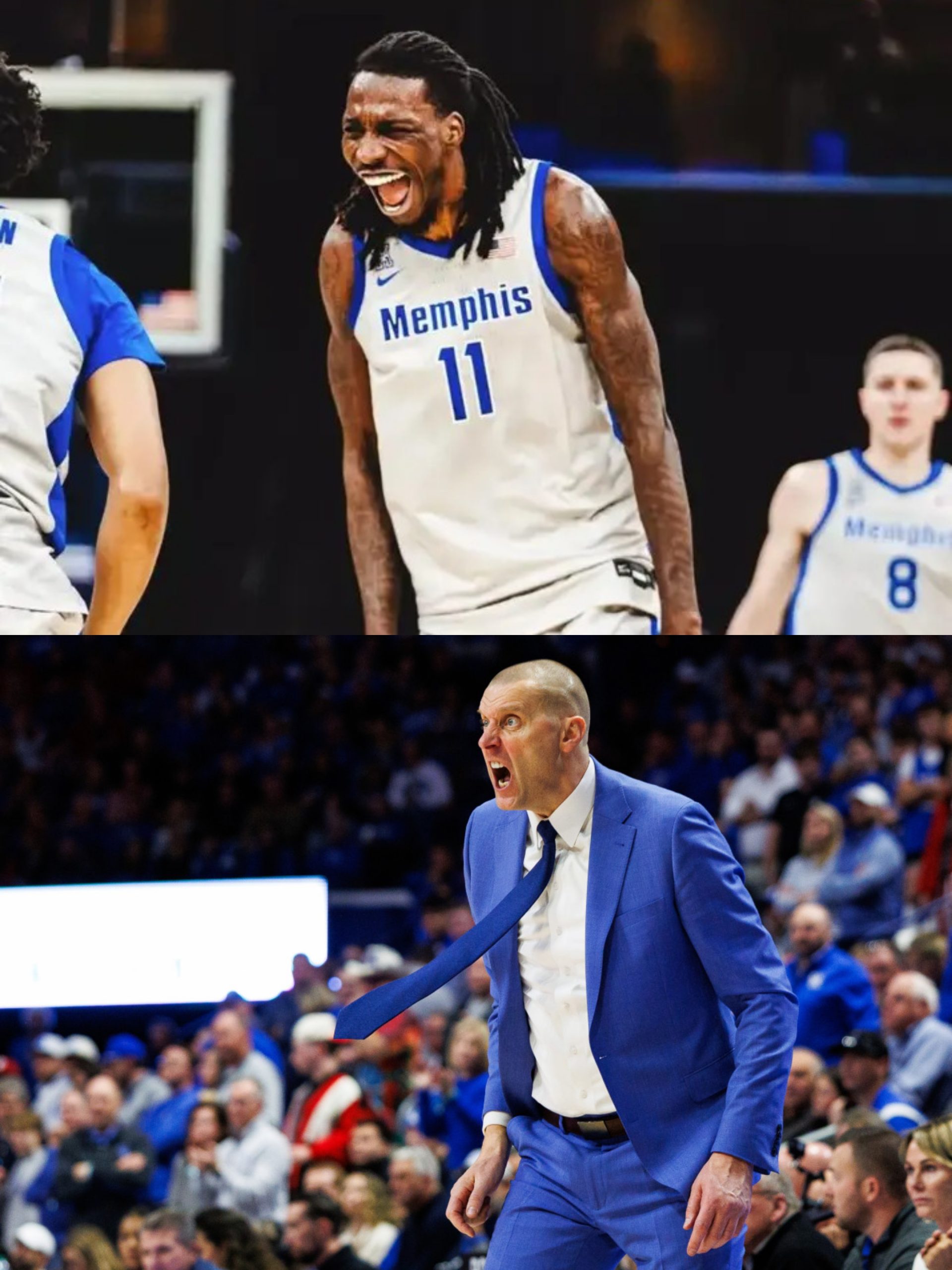
They Say Money Talks, but Penny Hardaway Just Made It Scream. After a One-Game Suspension for Effort, Former UK Star Aaron Bradshaw Looks Like a New Player — and the Controversial ‘Pro-Style’ Discipline System Behind It Is Forcing an Uncomfortable Conversation in the NIL Era. Should Mark Pope Be Taking Notes for Kentucky?
In an era when NIL money has changed the power dynamic of college basketball, one coach just flipped the script — and the results are impossible to ignore.
At Memphis, head coach Penny Hardaway didn’t give a motivational speech, shuffle the rotation, or quietly hope things would improve. Instead, he went straight to the one place every modern player understands instantly: accountability tied to real money.
And suddenly, everything changed.
From Promise to Problem — and Then a Pivot
Former Kentucky big man Aaron Bradshaw arrived at Memphis with talent, pedigree, and expectations. But effort — not ability — quickly became the issue. Bradshaw was suspended for one game for lack of intensity, a move that sent a message but didn’t fully solve the problem on its own.
That’s when Hardaway escalated.
“I fined him for being late. I fined him for violating our dress code,” Hardaway admitted bluntly. “Three grand here, three grand there… guess who started to put the effort in?”
The quote spread quickly, not just because of its honesty, but because of what followed. Bradshaw didn’t sulk. He didn’t disengage. He responded.
And his play did the talking.
A Different Kind of Buy-In
Since the suspension and fines, Bradshaw’s effort level has noticeably improved. He’s running the floor harder, battling more consistently, and showing the physical presence that once made him a prized recruit. Coaches can demand effort. Fans can beg for it. But in the NIL era, consequences hit differently when they’re tangible.
Hardaway’s approach mirrors professional locker rooms more than traditional college programs. Miss meetings? It costs you. Break team rules? It costs you. Fail to meet expectations? There’s a penalty — not just minutes, but money.
That reality check appears to have landed.
The NIL Era’s Biggest Question: Discipline
For years, college coaches had limited leverage. Benchings and suspensions were the strongest tools available. NIL has complicated that, introducing contracts, collectives, and financial protections that didn’t exist before.
Hardaway didn’t shy away from it. He leaned into it.
And that’s where the national conversation begins.
If NIL compensation is part of the modern game, should accountability be tied to it as well? Or does that blur lines that college sports aren’t ready to cross?
Why This Matters in Lexington
The ripple effects don’t stop in Memphis.
At Kentucky, head coach Mark Pope is navigating his own roster, expectations, and growing pains with the Kentucky Wildcats. Effort, consistency, and emotional buy-in have all been topics of discussion this season.
Hardaway’s approach raises an uncomfortable but unavoidable question:
Would this work at Kentucky?
Big Blue Nation is famously demanding. The fanbase expects effort as much as talent. But Kentucky is also one of the largest NIL ecosystems in the country. Docking players financially would be a bold — and controversial — move.
Pro-Style Accountability or Slippery Slope?
Supporters argue that Hardaway is simply preparing players for the next level. In the NBA, fines are routine. Contracts include clauses. Professionalism isn’t optional.
Critics worry about overreach. NIL money often comes from collectives and sponsors, not directly from coaches. Should staff have authority over those funds? Where is the line between discipline and control?
There are no clean answers yet. But the results at Memphis are fueling the debate.
Bradshaw’s Turnaround Changes the Narrative
For Bradshaw himself, the story has shifted dramatically. Once viewed as a player struggling to find his footing post-Kentucky, he’s now the centerpiece of a national discussion about accountability in modern college basketball.
The irony isn’t lost on anyone: the punishment wasn’t softer communication or patience — it was structure, consequences, and expectations.
And it worked.
The Question That Won’t Go Away
As NIL continues to reshape the sport, coaches across the country are watching closely. Penny Hardaway didn’t just discipline a player — he challenged the assumptions of the NIL era.
Now the spotlight turns elsewhere.
Should Mark Pope — and programs like Kentucky — consider similar measures?
Is this the future of college basketball discipline?
Or is Memphis an outlier willing to risk backlash for results?
One thing is certain: money may talk, but in this case, it sent a message loud enough for the entire college basketball world to hear.




