


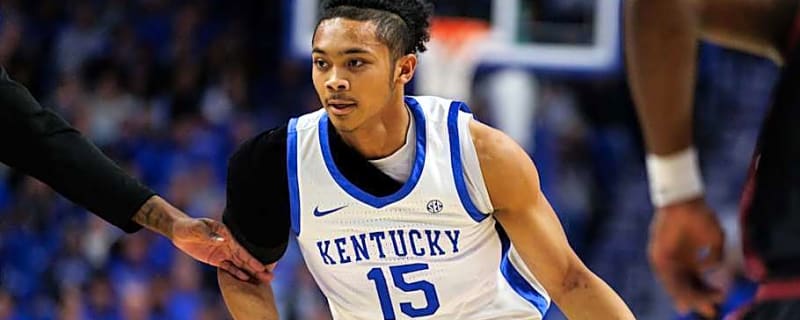
The win column is finally starting to look familiar again in Lexington. After a brutal early-season stretch that raised uncomfortable questions about identity, chemistry, and direction, Kentucky has steadied itself with consecutive momentum-building performances — capped by a workmanlike victory over Bellarmine that sent the Wildcats into the holiday break with optimism instead of dread.
On the surface, the turnaround feels real. The energy is better. The ball is moving. Players who looked tentative weeks ago are now playing with conviction. Most importantly, Kentucky has responded after adversity rather than folding under it — something that didn’t always feel guaranteed during that four-game skid against elite competition.
But beneath the renewed confidence and growing buzz inside Big Blue Nation, there’s a quieter, far more fragile variable hovering over everything: health.
Not matchups. Not rankings. Not even shooting consistency.
Health.
A season that bent before it broke
Kentucky’s early struggles weren’t just about execution. They were about continuity — or the lack of it. Lineups shifted. Rotations fluctuated. Roles changed nightly. And while criticism poured in from every direction, the reality was simpler than it looked: this roster never had the chance to settle.
Now, as the Wildcats begin to resemble something closer to a cohesive unit, the margin for error remains razor-thin. Several key contributors are either returning from injuries or being carefully managed, and the staff is clearly walking a tightrope between urgency and preservation.
Head coach Mark Pope has been transparent about the balancing act. Kentucky doesn’t just need wins — it needs bodies. It needs rhythm. It needs players available not just for one night, but for the long grind ahead.
Momentum is real — but so is vulnerability
Back-to-back quality wins have changed the tone around the program. The Wildcats look more connected defensively, more patient offensively, and more willing to grind when the game demands it. That alone represents growth.
But those gains are only sustainable if Kentucky can keep its rotation intact.
A single setback — one player pushed too hard, one recovery rushed — could undo weeks of progress. This is especially true for a team that relies on balance rather than overwhelming dominance. Kentucky doesn’t have the luxury of losing multiple contributors and simply overpowering opponents anyway. Its recent success has been built on depth, effort, and cohesion — all things that disappear quickly when injuries pile up.
Why this concern matters more than it sounds
In college basketball, health rarely dominates headlines until it’s already too late. Fans focus on rankings and résumés, while coaches quietly track minutes, soreness, and recovery timelines.
Right now, Kentucky’s biggest challenge isn’t proving it belongs — it’s staying whole long enough to let the proof matter.
If the Wildcats can navigate this stretch with discipline and patience, the upside is real. The pieces are starting to fit. Confidence is returning. The locker room believes again.
But if health falters, the conversation shifts instantly — from resurgence to regret.
The wins may be back. The momentum may be building.
Yet the season’s ultimate outcome could hinge on something far less visible — how carefully Kentucky protects what it finally has.




