


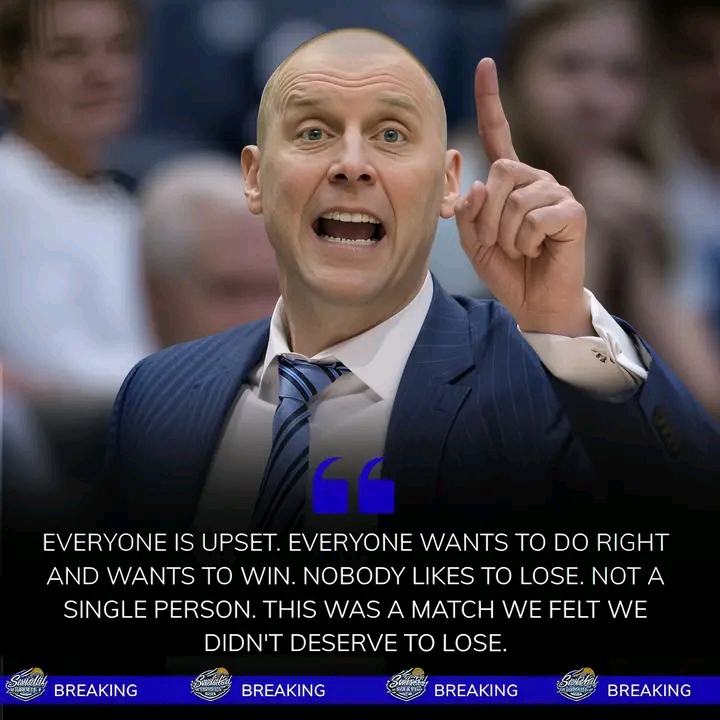
If you’re a Kentucky fan who spent any time online after the Alabama loss, you almost certainly saw it.
A headline.
A link.
A dramatic quote attributed to Mark Pope.
Claims of 100GB of evidence, a 60-page report, and an alleged formal complaint to the NCAA accusing officiating bias.
It spread fast. Too fast.
Group chats lit up. Social feeds exploded. And suddenly, a routine postgame loss turned into something far more volatile: a viral narrative suggesting Kentucky’s head coach had escalated the situation beyond basketball and into NCAA investigation territory.
The problem?
None of it is true.
And understanding why this claim gained traction — and what actually happened — matters more than the rumor itself.
How the Story Went Viral So Quickly
The modern college basketball ecosystem is primed for moments like this.
Kentucky loses a high-profile game.
Fans are frustrated.
Emotions are raw.
Trust is thin.
That’s fertile ground for misinformation.
The viral claim didn’t originate from any established sports outlet. Not ESPN. Not The Athletic. Not SI. Not even local Kentucky media. Instead, it came from an unverified third-party site with no track record of credible reporting, no sourcing, and no corroboration.
But it felt believable to some fans — and that’s the dangerous part.
Because the claim tapped into three things simultaneously:
Longstanding frustration with officiating narratives around Kentucky
Existing tension surrounding Mark Pope’s early tenure
A fanbase already on edge after a lopsided loss
That combination is powerful — and combustible.
What the Claim Alleged
To be clear, the viral story alleged that:
Mark Pope submitted 100GB of evidence to the NCAA
Filed a 60-page report accusing referees of bias
Requested a full NCAA investigation
Delivered a heated quote about bribery, double standards, and silence
If any part of that were true, it would be one of the biggest college basketball stories of the year.
And yet…
What Actually Happened After Alabama
Let’s separate fiction from fact.
After Kentucky’s 89-74 loss to Alabama, Mark Pope spoke publicly, as every coach does. His comments were recorded, transcribed, and reported by multiple credible outlets.
What did he talk about?
Physicality
Execution
Identity
Effort
Defensive lapses
Offensive stagnation
What did he not talk about?
Referee bias
Bribery
NCAA complaints
Investigations
Evidence packages
In fact, Pope did what coaches at Kentucky are often criticized for not doing: he owned the loss.
He acknowledged that Alabama imposed its will. He spoke about Kentucky hitting a wall. He emphasized responsibility, not conspiracy.
There is no audio, video, transcript, or official statement supporting the viral quote attributed to him.
Why the NCAA Angle Makes No Sense
Beyond the lack of evidence, the claim collapses under basic scrutiny.
The NCAA does not investigate single-game officiating complaints initiated by coaches through massive evidence submissions. That’s not how the system works.
Coaches may:
Communicate concerns privately through conference channels
Submit routine officiating feedback (as all programs do)
They do not file public, voluminous reports accusing bias — especially after a January conference game.
If a sitting Kentucky coach did that, it would:
Trigger immediate national reporting
Prompt official responses from the SEC and NCAA
Become a defining controversy
None of that happened.
Why Mark Pope’s Actual Response Matters
Mark Pope is still establishing himself at Kentucky. Everything he says — and doesn’t say — is magnified.
That’s precisely why the viral claim feels so out of character.
Pope’s real messaging since taking the job has been consistent:
Accountability over excuses
Internal evaluation over external blame
Long-term culture over short-term outrage
Publicly accusing officiating bias would contradict the very leadership tone he’s trying to set.
And Kentucky’s administration would never allow that kind of escalation without official coordination. There was none.
Why Some Fans Believed It Anyway
This is where context matters.
Kentucky fans are not irrational. They’re passionate — and deeply invested.
Many already feel:
The program is under constant scrutiny
Kentucky doesn’t get the benefit of the doubt
Narratives swing dramatically based on wins and losses
So when a story appears that seems to validate those feelings, it spreads quickly — even without verification.
But emotion is not evidence.
And belief does not equal truth.
The Damage of Viral Misinformation
Even false stories have consequences.
This rumor:
Distracted from legitimate basketball discussion
Fueled unnecessary outrage
Put words in Mark Pope’s mouth
Undermined credibility
Worse, it risked turning a performance issue into a manufactured scandal.
That helps no one — not the coach, not the players, not the program.
What the Real Conversation Should Be About
Kentucky’s loss to Alabama does matter.
It raised real questions:
About roster fit
About spacing
About physicality
About identity
Those are fair discussions. Necessary ones.
But shifting the focus to imaginary NCAA complaints only clouds the waters and delays meaningful evaluation.
How to Spot Stories Like This Going Forward
For fans who want to protect themselves from misinformation, a few simple checks go a long way:
Source check: Is this coming from a known outlet?
Cross-reporting: Are others confirming it?
Quotes: Is there audio or video?
Logic test: Does the claim align with how institutions actually operate?
If the answer is no across the board, pause before sharing.
Why This Moment Still Matters for Mark Pope
Even though the claim is false, the reaction to it is revealing.
It shows:
How quickly narratives can spiral
How fragile trust can feel during transitions
How much scrutiny Pope is already under
That’s not a referendum on his future — but it is a reminder of the environment he’s navigating.
At Kentucky, perception moves fast. Faster than facts, sometimes.
Final Truth: Noise vs. Reality
The viral claim wasn’t real.
Mark Pope did not file an NCAA complaint.
He did not submit evidence.
He did not accuse referees of bias.
What he did do was acknowledge a tough loss and point inward — exactly what many fans ask for.
The rest? Noise.
And in a season already filled with emotion, clarity matters more than ever.
Because Kentucky basketball has enough real questions to answer — without inventing new ones.




