


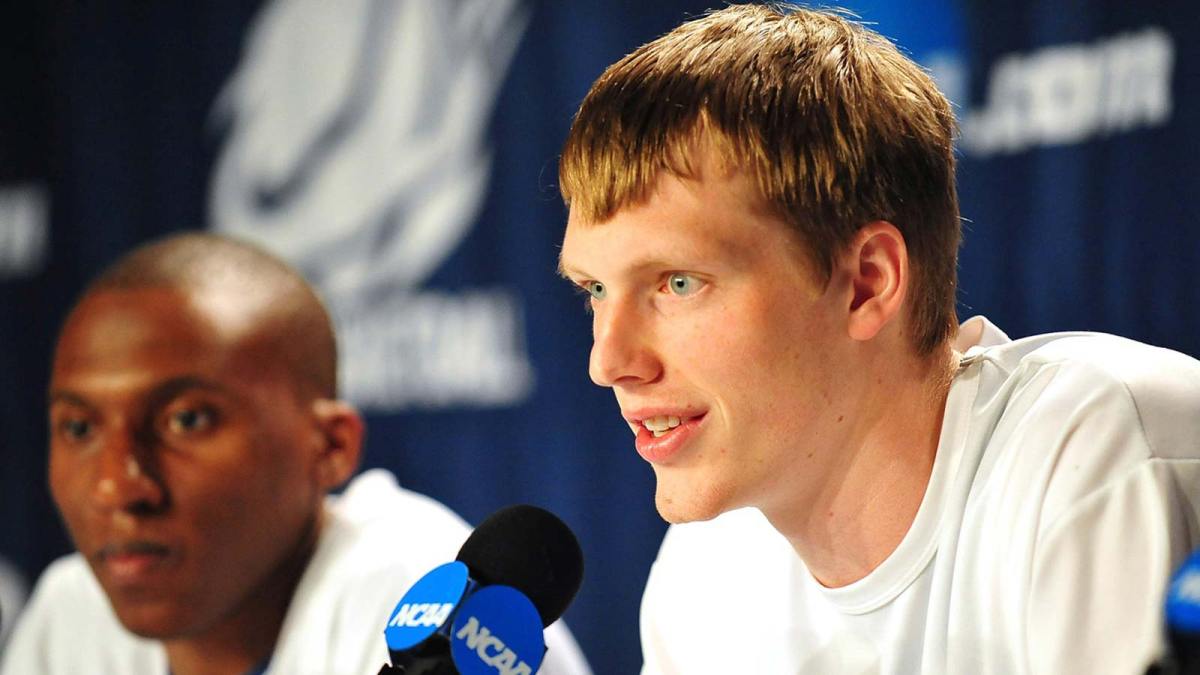
Former Duke basketball standout and NBA veteran Kyle Singler has recently drawn widespread attention — not for anything related to basketball, but for a deeply concerning and emotionally charged video he posted on social media that has left fans, former teammates, and the broader basketball community unsettled.
The 37-year-old former national champion uploaded a video to Instagram in which he delivered a raw and explicit message about his personal life, alleging mistreatment, isolation, and a lack of support from people around him. During the video, Singler mentioned several entities, including Duke University, while expressing fear, anger, and distress. The video quickly circulated online, prompting concern rather than controversy.
A video that raised alarms, not arguments
Unlike typical viral moments involving former athletes, Singler’s post did not spark debate over opinions or grievances tied to the sport. Instead, it raised alarms about his well-being.
In the video, Singler spoke directly into the camera, stating that he did not feel safe and accusing people in his life of taking advantage of him financially and emotionally. His tone was agitated and urgent, and the language used was explicit, prompting many platforms and outlets to label the clip as NSFW.
“I don’t feel safe,” Singler said early in the video, a statement that immediately set the tone for what followed.
He went on to describe feeling abandoned and exploited, claiming he was “on [his] own” and without support. While he did not provide specific details or name individuals, Singler did reference Duke, his hometown of Medford, Oregon, and others while expressing frustration and anger.
Mentioning Duke — without clarity or context
At one point in the video, Singler directed harsh words toward Duke, the program where he achieved national prominence and helped win a national championship in 2010.
However, it is important to note that Singler did not offer specific accusations, timelines, or explanations connecting Duke University to his current situation. The mention appeared emotional rather than detailed, and no wrongdoing has been alleged or substantiated.
Because of this lack of specificity, it remains unclear what Singler intended by referencing Duke or whether his comments were symbolic, emotional, or tied to unresolved personal feelings. Neither Duke University nor any related parties have responded publicly, and there is no indication that the institution is connected to the claims Singler made about his personal life.
Statements expressing distress and isolation
Throughout the video, Singler repeatedly emphasized feelings of isolation and betrayal. He spoke about being taken advantage of and described himself as homeless, a claim that has not been independently verified.
“I have people in my life messing with me, and nobody’s there,” Singler said.
He also expressed anguish over his family situation, stating that his child was being harmed — allegations that are extremely serious but entirely unsubstantiated and unsupported by any public records or legal findings. Outlets covering the story have been careful to report these statements only as claims made by Singler himself, not as established facts.
Because of the sensitive nature of these remarks, many observers urged caution and compassion rather than judgment or speculation.
A pattern of concerning public statements
This was not the first time Singler has shared troubling messages online.
In November, he posted another video in which he claimed to have been mistreated and abused, saying he feared for his life and felt neglected. That video also drew concern from fans and former followers, many of whom expressed hope that Singler would receive help and support.
The recurrence of such posts has shifted the conversation away from basketball entirely and toward concern for Singler’s mental and emotional health.
From Duke champion to NBA contributor
Kyle Singler’s basketball résumé is significant.
A native of Oregon, Singler starred at Duke from 2007 to 2010 under head coach Mike Krzyzewski. He was a key figure on Duke’s 2010 national championship team, known for his toughness, scoring ability, and competitive edge. He was named the Most Outstanding Player of the West Regional during Duke’s title run and earned All-ACC honors during his career.
After college, Singler was selected in the second round of the 2011 NBA Draft by the Detroit Pistons. He began his professional career overseas before making his NBA debut during the 2012–13 season.
Singler enjoyed his most productive NBA stretch with the Pistons, earning a spot on the NBA All-Rookie Second Team in 2013. He later spent multiple seasons with the Oklahoma City Thunder, contributing as a role player on playoff teams before his NBA career concluded.
For years, Singler was viewed as a reliable professional and a respected former college star — making his recent public appearances all the more jarring to those who followed his career.
Reaction from the basketball community
The response to Singler’s video has largely been one of concern rather than condemnation.
Many fans and former supporters have expressed sympathy and hope that he is able to receive help. Others have urged media outlets to be responsible in their coverage, emphasizing that situations involving mental health should be handled with care.
Notably, few have attempted to dissect or debate Singler’s claims in detail. Instead, the prevailing reaction has been a recognition that something is wrong — and that public speculation would not help.
The importance of responsible coverage
Situations like this place media outlets and bloggers in a difficult position. On one hand, Singler’s video is public and newsworthy due to his status as a former high-profile athlete. On the other, the content involves personal distress, unverified claims, and sensitive subject matter.
Responsible reporting requires clear boundaries:
Reporting what was said, not what might be implied
Avoiding speculation or assigning intent
Separating emotional statements from factual findings
Centering compassion rather than sensationalism
So far, there is no indication of legal action, official investigations, or corroborating evidence related to Singler’s claims. As such, the story remains one of concern rather than accusation.
Silence from institutions — for now
Neither Duke University nor any former NBA organization Singler played for has issued a public statement regarding the video. This is not unusual, particularly given the lack of specific allegations and the personal nature of the comments.
In cases involving former athletes and mental health concerns, institutions often refrain from commenting publicly out of respect for privacy and legal boundaries.
A sobering reminder beyond basketball
For fans who remember Singler cutting down nets in Indianapolis in 2010 or battling in NBA playoff games, seeing him in visible distress is sobering.
Athletic success does not insulate individuals from personal struggles, and transitions away from professional sports can be particularly challenging. While it is impossible to know the full context of Singler’s situation based on social media videos alone, the concern expressed by viewers is understandable.
At this point, the most responsible takeaway is not outrage, judgment, or speculation — but awareness.
What happens next remains unclear
It is unknown whether Singler will address his comments further, seek assistance publicly, or step away from social media. There has been no confirmation regarding his current circumstances or support system.
For now, the video stands as a troubling snapshot rather than a complete story.
As the basketball world processes this moment, the hope shared by many is simple: that Kyle Singler is safe, supported, and able to access whatever help he may need.




