


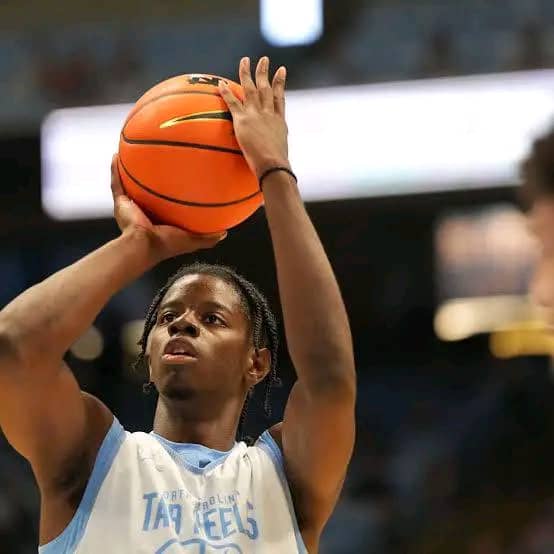
The flight from California back to North Carolina is long enough for sleep, for movies, for quiet conversations that drift and fade. But for North Carolina basketball, that nearly five-hour journey home became something else entirely — a floating moment of reflection, accountability, and, perhaps most importantly, clarity. Following back-to-back losses to Stanford and Cal, the Tar Heels weren’t just flying across time zones; they were carrying questions about who they really were, where their season was headed, and whether the expectations attached to the Carolina name still matched the reality on the floor. Somewhere between the Pacific Coast and Tobacco Road, UNC didn’t find answers shouted in anger or delivered by speeches. Instead, it found them in stillness — and what emerged could quietly reshape the rest of the season.
A West Coast Trip That Raised Alarms
The California swing was supposed to be an opportunity. New conference opponents, unfamiliar environments, and a chance for UNC to make a statement far from home. Instead, it exposed vulnerabilities that had been simmering beneath the surface.
The loss to Stanford was frustrating. The defeat at Cal was deflating.
In both games, UNC struggled to impose its will — something that historically defines the program. The Tar Heels looked disjointed offensively at times, inconsistent defensively, and, perhaps most concerning, unsure of themselves when games tightened. The effort wasn’t absent, but the cohesion was. For a team built around experience, talent, and tradition, that disconnect rang louder than the final scores.
These weren’t losses that would destroy a résumé in January. But they were the kind that linger — the type that forces a program to ask uncomfortable questions.
The Silence After the Storm
When teams lose, especially teams like North Carolina, the immediate aftermath is often noise. Media scrutiny. Fan frustration. Analysis dissecting every rotation and decision.
But inside the Tar Heels’ travel party, the reaction was quieter.
The long flight home didn’t feature dramatic confrontations or emotional outbursts. Instead, there was reflection. Players replayed possessions in their minds. Coaches reconsidered rotations, lineups, and messaging. Veterans thought about leadership — not in theory, but in practice.
Sometimes, the most meaningful shifts don’t happen in film rooms or practice gyms. They happen when a group is forced to sit with disappointment and decide what it’s going to do with it.
UNC had time. And it used it.
Hubert Davis and the Weight of Expectations
For Hubert Davis, every loss carries a different weight. He isn’t just coaching a college basketball team; he’s stewarding a legacy. Every season is measured not only by wins and losses but by whether the program feels like North Carolina.
The California trip tested that feeling.
Davis has consistently emphasized growth, togetherness, and trust — values that don’t always show up in box scores but matter deeply over the course of a season. The losses out West challenged whether those principles were translating consistently on the floor.
But rather than react emotionally, Davis leaned into something steadier: perspective.
January doesn’t define a season. But it can shape one — if lessons are embraced instead of ignored.
A Roster at a Crossroads
This UNC team isn’t short on talent. That’s never been the issue.
What the West Coast losses highlighted was something more nuanced: roles, balance, and urgency. At times, the Tar Heels looked like a collection of capable individuals rather than a fully synchronized unit. Shots didn’t always come within rhythm. Defensive rotations arrived a half-step late. Communication wavered in moments that demanded clarity.
These are fixable problems. But only if everyone buys in.
The flight home gave players time to evaluate themselves honestly — not just their stat lines, but their impact. Leadership isn’t only about scoring. It’s about setting tone, responding to adversity, and elevating teammates when momentum shifts.
UNC realized it couldn’t wait for March to become what it wanted to be.
The Importance of Defensive Identity
One theme that quietly emerged from the California trip was defense — not just scheme, but commitment.
North Carolina has long prided itself on toughness. Rebounding. Physicality. Defensive accountability. When those elements slip, even slightly, the margin for error shrinks dramatically.
Out West, UNC had moments where it defended well — but not consistently. There were possessions where effort dipped, where communication broke down, and where opponents capitalized.
The realization wasn’t that the Tar Heels couldn’t defend.
It was that they had to — every possession, every night — if they wanted to play the kind of basketball that travels, wins in March, and reflects their identity.
The Subtle Shift in Urgency
Not all wake-up calls come with sirens.
Some arrive quietly, like turbulence during a flight — just enough to remind you that comfort isn’t guaranteed.
For UNC, the realization was simple but powerful: talent alone won’t carry them. Experience alone won’t save them. Reputation won’t win road games.
Urgency has to be chosen.
The best North Carolina teams don’t wait for moments; they create them. They don’t rely on history; they honor it by matching its standard. Somewhere over the Rockies or the Midwest, that understanding settled in.
Practices That Feel Different
When teams talk about “turning points,” they often point to practices that follow disappointment.
For UNC, the practices after the California trip reportedly carried a different energy. More vocal. More intentional. More competitive.
Details mattered again.
Defensive closeouts were sharper. Ball movement was crisper. Communication became non-negotiable. Coaches emphasized not just execution, but purpose — why things were done, not just how.
These weren’t dramatic overhauls. They were refinements. Reinforcements of standards that had slipped just enough to matter.
Veterans Stepping Forward
Every team reaches moments where leadership is tested.
For UNC, the aftermath of the West Coast losses demanded voices — not from coaches alone, but from players who understood what the jersey represents.
Leadership isn’t about speeches after wins. It’s about accountability after losses. It’s about pulling teammates aside. It’s about demanding focus without fracturing trust.
The Tar Heels didn’t suddenly change who they were. They simply recommitted to being who they believed they could be.
Why January Lessons Matter in March
College basketball seasons are long. They bend and twist in unexpected ways.
The teams that survive March aren’t always the most talented — they’re the most adaptable. They learn early, correct quickly, and peak late.
UNC’s realization on that long flight home wasn’t about panic. It was about alignment. About recognizing that the margin between good and great is often discipline, consistency, and mindset.
Those lessons, learned in January, often become advantages in March.
A Program That Knows This Road Well
North Carolina has been here before.
Historically, some of its most memorable seasons have included midyear stumbles — losses that forced recalibration. What separated the successful ones was response.
UNC understands that adversity isn’t an enemy; it’s a test. One that reveals whether a team is willing to confront itself honestly.
The California trip didn’t define the Tar Heels’ season. But the realization it sparked just might shape it.
Moving Forward With Quiet Confidence
There won’t be banners raised for January realizations.
But inside programs, those moments matter deeply. They influence rotations. They sharpen focus. They reset expectations internally — often in ways outsiders never fully see.
UNC returned to Tobacco Road not defeated, but refocused. A team reminded that progress isn’t linear, that growth often requires discomfort, and that identity must be defended daily.
The flight home from California didn’t fix everything.
But it did something just as important.
It reminded North Carolina basketball of who it is — and who it still wants to become.




