


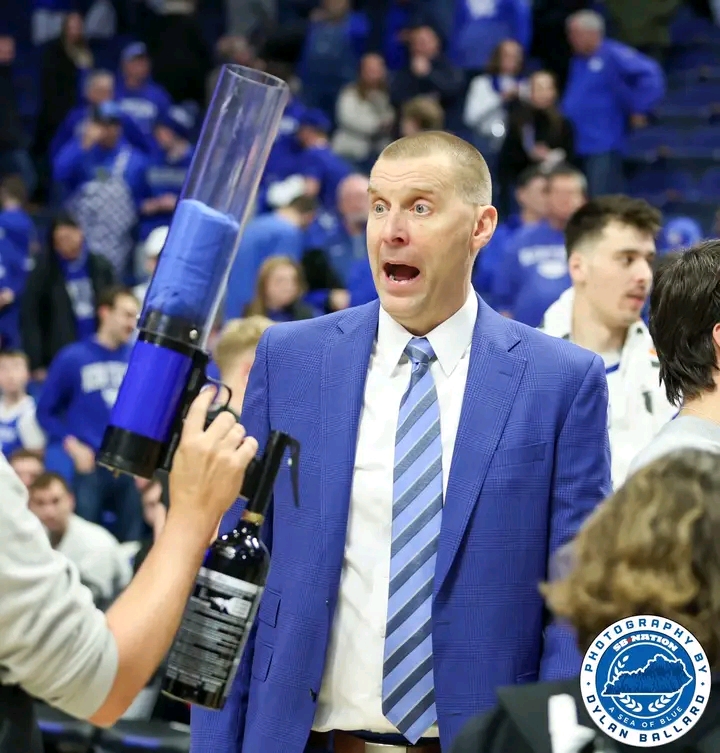
The second year is where the truth usually shows up.
Year 1 is about grace. About patience. About excuses that make sense. Rosters aren’t fully yours yet. Culture is still theoretical. Fans are told to “give it time.” But Year 2? Year 2 removes the safety net. By now, the honeymoon is over, the fingerprints are everywhere, and the results — good or bad — start to feel intentional.
That’s why the second seasons of Mark Pope, John Calipari, and Mark Byington are becoming impossible to lump together. All three are navigating different programs, different expectations, and different pressures — yet all are being judged under the same unforgiving SEC spotlight. And as the months pass, the trajectories are beginning to separate in ways that are harder to explain away.
This isn’t just about wins and losses anymore. It’s about identity, adaptability, trust, and whether each coach is moving his program forward — or simply surviving.
Mark Pope: Building Something Real in the Middle of Chaos
When Mark Pope returned to Lexington, he inherited more than a roster — he inherited emotional whiplash.
Kentucky fans were still processing the end of the John Calipari era, still split between nostalgia and exhaustion. Pope wasn’t just taking over a blueblood; he was stepping into a program searching for a new sense of itself. Year 1 was always going to be about stabilization. Year 2, however, is where the evaluation sharpens.
What’s notable about Pope’s second season isn’t just the record — it’s how Kentucky is winning.
This Wildcats team has not been pristine. In fact, it’s often been uncomfortable to watch. Slow starts. Offensive droughts. Injury after injury stripping away rotation pieces. And yet, Kentucky keeps finding ways to win games that would’ve slipped away in previous seasons.
That’s not accidental.
Pope has leaned into simplicity, even openly admitting that the staff scaled things back offensively. Rather than chasing elegance, Kentucky has embraced toughness, role acceptance, and defensive buy-in. Players talk about “making winning plays” — the non-glamorous rebounds, charges, rotations — and it’s showing up in late-game moments.
Perhaps the most telling sign of Pope’s Year 2 growth is player trust. Freshmen are playing through mistakes. Veterans are expanding roles. Nobody looks afraid to fail. And in a program where pressure can suffocate development, that matters.
Kentucky isn’t finished yet — far from it — but the direction feels intentional. The Wildcats are starting to look like a team that knows who it is, even when the game gets ugly.
That’s progress.
John Calipari: Reinventing the Message — Again
Few coaches in college basketball history carry the résumé — or the scrutiny — of John Calipari.
By the time Year 2 rolls around for Calipari at Arkansas, the expectations are already sky-high, but the context is wildly different from his previous stops. This isn’t a reboot from scratch; it’s a reintroduction. Calipari didn’t arrive quietly. He arrived with history, opinions, and a reputation that preceded him.
In Year 1, much of the focus was emotional: energy, recruiting buzz, belief. Year 2 is where the questions shift toward sustainability.
Calipari’s strength has always been people — motivating players, selling a vision, creating belief. That hasn’t changed. Arkansas plays with pace, confidence, and flashes of brilliance that remind everyone why Calipari still commands attention. But the SEC is ruthless, and emotional momentum only carries you so far.
The challenge in Year 2 is balance.
Calipari is still leaning on talent, still trusting players to figure things out through freedom. When it works, it’s electric. When it doesn’t, the same critiques resurface: execution late, defensive lapses, reliance on individual shot-making.
What separates this phase of Calipari’s career is urgency. There’s less patience externally, and perhaps internally too. The margin for error is thinner. Every loss is louder. Every inconsistency invites comparison to what came before.
Calipari isn’t declining — but he is evolving under pressure. Whether that evolution leads to deep March runs or another round of familiar questions will define how this second-year arc is remembered.
Mark Byington: The Quietest Climb in the SEC
While Pope and Calipari operate under blinding spotlights, Mark Byington’s work at Vanderbilt has unfolded almost in silence — and that’s exactly how he prefers it.
Year 1 was about survival. Year 2 is about credibility.
Byington inherited a program that had grown accustomed to irrelevance in the SEC. Expectations were low, resources were limited, and patience was thin. Instead of chasing headlines, he focused on structure: defensive discipline, effort consistency, and player accountability.
The results haven’t always been flashy, but they’ve been real.
Vanderbilt competes now. Not occasionally — regularly. Games that once turned into blowouts are now battles. Opponents don’t overlook the Commodores anymore. That’s a meaningful shift, even if it doesn’t dominate the standings.
What stands out most in Byington’s second year is clarity. Players know their roles. The system doesn’t change nightly. Development is visible, especially among returners. Vanderbilt might not scare the league yet, but it no longer feels like free money on the schedule.
In a conference obsessed with star power, Byington is building something slower and sturdier. And sometimes, that’s the most sustainable path of all.
Three Coaches, Three Philosophies — One Brutal Standard
The SEC does not care about context.
It doesn’t care about rebuilding timelines, injuries, or learning curves. It demands results — loudly and constantly. That’s why Year 2 matters so much for coaches in this league.
Pope is crafting identity through resilience and buy-in.
Calipari is balancing legacy with reinvention.
Byington is quietly raising a program’s floor before chasing its ceiling.
None of these paths are wrong. But they are diverging.
And that’s what’s becoming harder to ignore.
Some programs are finding their footing. Others are still searching for equilibrium. And a few are learning that reputation alone no longer guarantees relevance.
What Happens Next Will Define the Narrative
The real judgment of Year 2 doesn’t come in January or February. It comes in March — and in the months that follow.
Did the foundation hold under pressure?
Did development translate to results?
Did the vision survive adversity?
Mark Pope’s Kentucky looks like a team discovering how to win together. John Calipari’s Arkansas is still chasing consistency at the edge of brilliance. Mark Byington’s Vanderbilt is proving that stability can be a weapon.
Different speeds. Different stakes. Same unforgiving league.
And as the season pushes forward, one thing is clear: the second year doesn’t just reveal progress — it reveals truth.




