


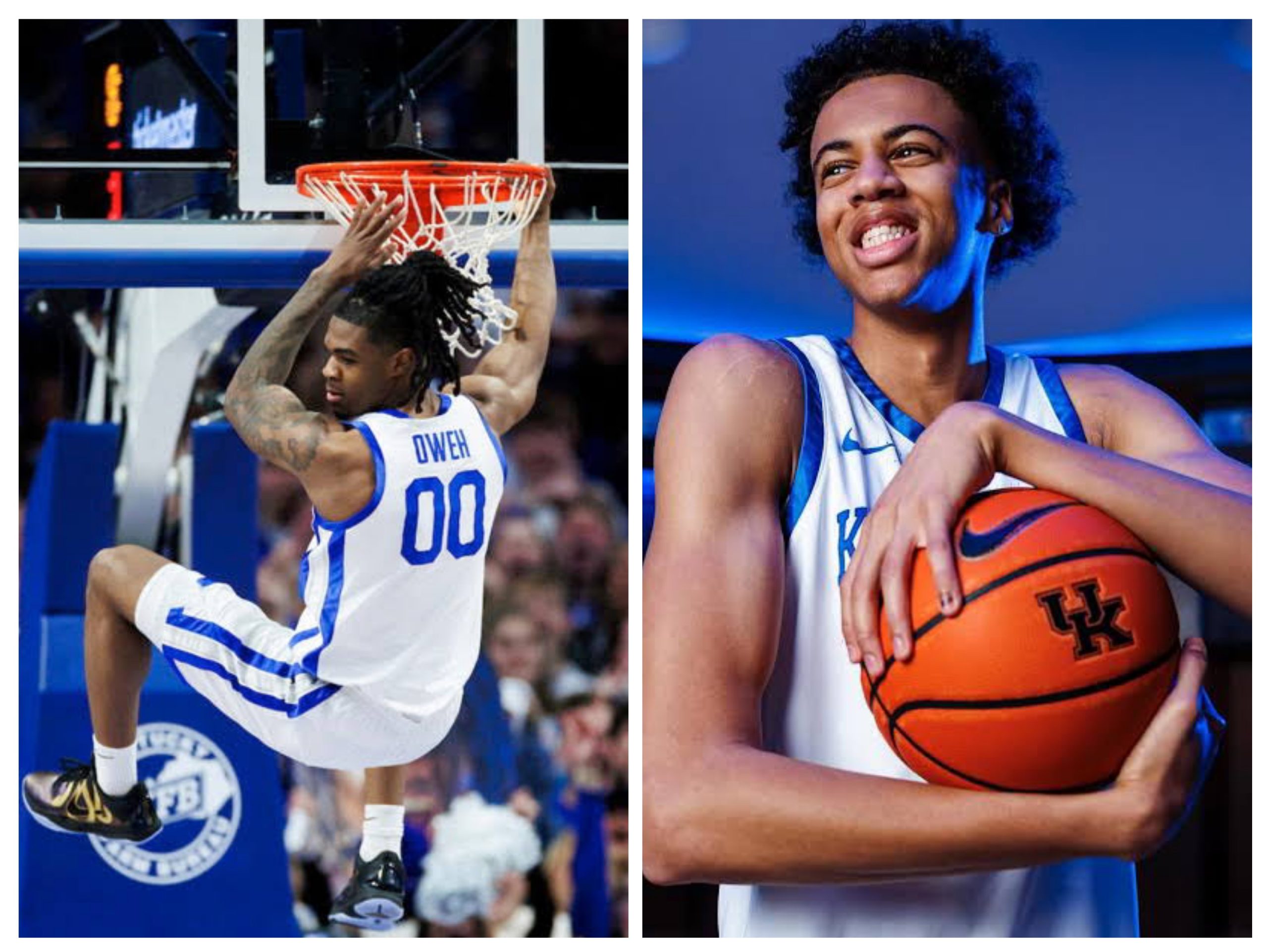
Kentucky basketball has always lived in extremes banner years and heartbreak, dominant stretches and maddening droughts. But under Mark Pope, a new and frustrating extreme has emerged: injuries. Lots of them. Enough of them, in fact, to make fans wonder whether the Wildcats are dealing with more than just bad breaks. The wins are real, the progress is undeniable, yet the injury report keeps growing to the point where it threatens to overshadow everything else.
If it feels like Kentucky has been stuck in a never-ending cycle of rehab schedules and game-time decisions since Pope took over, that’s because it has. The Wildcats’ injury list is rivaling their win total, which is wild when you consider Pope’s résumé so far. Eleven wins against top-30 NET teams is no small feat—especially for a coach hired in 2024. No other coach from that cycle can match it. And yet, every time momentum builds, another player seems to head straight for the trainer’s table.
That’s what makes this stretch so maddening. Kentucky isn’t losing because it’s poorly coached or lacking talent. If anything, the opposite is true. The Wildcats have shown toughness, adaptability, and a clear identity on the floor. But injuries have forced constant lineup shuffles, limited practice continuity, and put enormous pressure on players who are healthy enough to suit up.
To understand why fans are on edge now, you have to look back at last season, when the injury bug first sank its teeth into this roster. Kerr Kriisa’s fractured foot ended his year before it ever really began. Andrew Carr fought through lingering back issues that flared up repeatedly, sometimes preventing him from practicing at all. Lamont Butler dealt with a shoulder injury that sapped his effectiveness, then added an ankle sprain that cost him games. Brandon Garrison missed time with nagging issues, while Jaxson Robinson’s wrist finally gave out late in the year, cutting his season short.
Even in March, when teams are supposed to be peaking, Kentucky couldn’t catch a break. Travis Perry sprained his wrist in the SEC Tournament and missed the Round of 32 matchup against Illinois and the Sweet 16 against Tennessee. In a tournament where depth, health, and rhythm matter more than anything, the Wildcats were forced to limp through critical games without key contributors.
Naturally, fans hoped the offseason would serve as a reset—a chance for bodies to heal and for bad luck to fade. Instead, the problems carried over almost immediately. Otega Oweh missed nearly the entire summer with a toe injury, limiting his ability to build chemistry and conditioning. Jaland Lowe’s shoulder didn’t even make it to the regular season intact; after being separated, it eventually forced him to shut things down completely.
From there, the list only grew longer. Trent Noah missed time with an ankle injury, disrupting the rotation. Mo Dioubate was sidelined during a crucial run of games when Kentucky needed stability the most. Jayden Quaintance made an early return, offering a spark of optimism, only to see knee swelling knock him out again. He has now missed the last four games, leaving a noticeable hole in the frontcourt.
Then came the gut punch. Kam Williams, the latest casualty, broke his foot against Texas and is most likely done for the year. At that point, the jokes practically wrote themselves. This wasn’t just a basketball team dealing with adversity—it was a full-blown MASH unit, cycling players in and out like a medical drama.
So what’s really going on here? Is Kentucky basketball cursed? Or is this simply a brutal run of misfortune amplified by the grind of modern college basketball? Injuries happen everywhere, but the frequency and variety at Kentucky raise legitimate questions. These aren’t all contact injuries or freak accidents; many are overuse issues, soft-tissue problems, or recurring setbacks that hint at something deeper.
One possible explanation is the sheer physical demand of Pope’s system. Kentucky plays fast, defends aggressively, and asks a lot from its players on both ends of the floor. High tempo and high intensity can produce wins, but they also increase wear and tear, especially over a long season. Without consistent practice time due to injuries, players may be thrust into heavier minutes before their bodies are fully ready.
Another factor could be roster turnover. With new pieces constantly rotating in, conditioning levels vary, and chemistry takes time to develop. When players are asked to ramp up quickly to fill gaps left by injured teammates, the risk of strain and setback grows. It becomes a vicious cycle—injuries force more minutes on fewer players, which in turn leads to more injuries.
Of course, there’s also the simplest explanation: bad luck. Sometimes injuries cluster for no logical reason, and Kentucky may just be living through one of those stretches. Fans joke about curses and suggest calling Joe Maddon to break them, but beneath the humor is genuine frustration. It’s hard to fully evaluate a team—or a coach—when the lineup is constantly in flux.
What’s clear is that something has to give. Whether it’s workload management, changes in practice intensity, deeper rotations, or a closer look at training and recovery protocols, Kentucky needs to identify anything that can reduce the toll on its players. The talent is there. The coaching has proven effective. But until the Wildcats can string together a stretch of good health, the ceiling remains frustratingly out of reach.
Kentucky basketball isn’t cursed—but right now, it certainly feels unlucky. And until the injury report stops reading like a medical chart, that feeling isn’t going away.




