


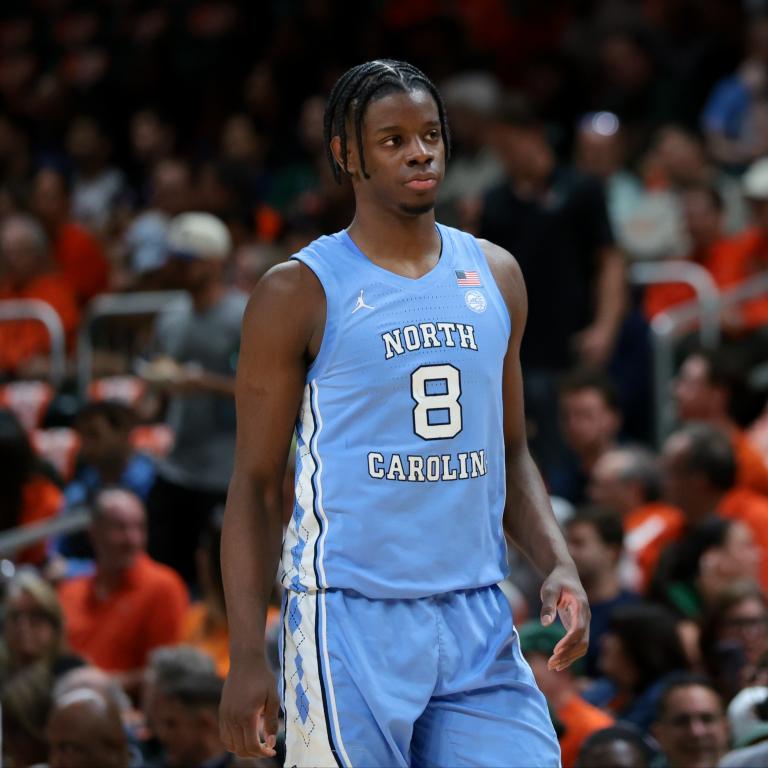
What happens when uncertainty creeps into the numbers? What happens when injuries blur the data, when effort spikes unexpectedly, and when a team backed into a corner suddenly plays freer than anyone anticipated? That’s the fascinating tension surrounding Saturday’s matchup between North Carolina and Pittsburgh. The betting line suggests clarity. The spreadsheets imply confidence. But beneath the surface, there’s a layer of unpredictability that makes this game far more intriguing than it first appears.
Oddsmakers have a quiet frustration they rarely admit publicly: injuries complicate everything. When both teams are at full strength, projections become cleaner. The data pool is larger. Efficiency metrics stabilize. Trends hold up under scrutiny. But when a star player is sidelined, the sample size shrinks and nuance takes over. Numbers alone can’t measure urgency. They can’t quantify desperation. They can’t always predict how a locker room responds.
And that’s where this North Carolina vs. Pittsburgh showdown becomes compelling.
The Injury Variable: Why the Numbers Feel Vulnerable
Injuries are kryptonite for sportsbooks.
When a key contributor is ruled out, models scramble. They can adjust for minutes and usage rate, but they cannot accurately project emotional response. Teams often rally in the immediate aftermath of losing a star. Rotations tighten. Bench players step into expanded roles with heightened focus. Defensive intensity rises. Coaches simplify game plans.
Historically, the first game without a key player can produce surprising results. The effort is supreme. The energy is elevated. There’s a “prove-it” mentality that can temporarily mask the absence.
But as games pile up, fatigue sets in. Opponents adjust. Depth gets tested. That’s when the absence becomes more tangible.
For North Carolina, this dynamic looms large heading into Saturday.
Tar Heels’ Mentality: Expect Intensity After a Loss
North Carolina doesn’t respond well to complacency. This is a program built on tradition, expectation, and internal accountability. Coming off a loss, especially in ACC play, the Tar Heels are unlikely to drift into Pittsburgh quietly.
There’s pride involved.
Even if offensive rhythm suffers without full personnel strength, effort on the defensive end typically travels. That’s where this matchup shifts focus from spread to total.
The betting line may project a comfortable cover. My gut suggests UNC could indeed handle the hefty number. But the more compelling angle lies in the total.
Because if intensity spikes defensively — and Pittsburgh struggles offensively — the scoring environment may look very different than casual observers expect.
Why the Total Matters More Than the Spread
Spreads often dominate public attention. Favorites draw action. Big brands like North Carolina attract money regardless of context. But totals require deeper analysis.
Consider the variables:
Potential offensive inefficiency without a key scorer
Defensive response from a motivated Tar Heels squad
Pittsburgh’s inconsistent offensive production
Game pace adjustments
If UNC slows tempo slightly to control possessions, that alone trims scoring potential. If Pittsburgh fails to capitalize against a dialed-in defense, that compounds the effect.
It’s not about whether UNC wins.
It’s about how the game unfolds.
Will it become a defensive grind? Or a pace-driven shootout?
The evidence points toward the former.
Pittsburgh’s Offensive Ceiling
The Panthers have struggled at times to generate consistent offense. Shot selection has wavered. Scoring droughts have appeared at inconvenient stretches. Against a focused North Carolina defense, those issues could be amplified.
If UNC locks in on ball pressure and interior containment, Pittsburgh may be forced into contested jump shots late in the shot clock.
That’s rarely a recipe for overs.
And if Pittsburgh fails to break 70 points, the path to a 144.5 total becomes narrower.
Historical Betting Context
Doug Kezirian’s documented success adds credibility to the perspective.
With a 96-82-2 record against the spread in The Post’s sports section, his approach isn’t impulsive. It’s grounded in long-term evaluation of market inefficiencies.
He understands something many casual bettors overlook: totals often provide more value than sides in injury-influenced games.
When public money floods toward a favorite, books shade spreads accordingly. But totals sometimes lag behind nuanced factors like pace, defensive adjustment, and emotional response.
That’s where Under 144.5 (-110, DraftKings) becomes compelling.
The Psychology of First-Game Adjustments
Let’s revisit that injury dynamic.
Teams without a star player often simplify their offense. Instead of relying on isolation scoring, they move the ball. They share touches. They shorten rotations. Defensive communication sharpens because everyone understands margin for error has decreased.
That often results in:
Fewer turnovers
Longer possessions
Fewer rushed shots
Tighter half-court defense
All of which favor an under.
Add in the emotional factor of responding to a loss, and the Tar Heels are likely to emphasize discipline.
Why This Isn’t a Blind Play
Betting the under isn’t about assuming offensive incompetence.
It’s about anticipating:
Adjusted tempo
Defensive intensity
Controlled possessions
Pittsburgh’s offensive limitations
If the Tar Heels win something like 74-65, the under cashes comfortably. Even an 80-62 result stays beneath the number.
The danger, of course, lies in unexpected shooting efficiency. If both teams catch fire from beyond the arc, totals can unravel quickly.
But based on matchup context, defensive urgency appears more sustainable than offensive fireworks.
Breaking Down the 144.5 Line
A total of 144.5 implies a moderately high-scoring ACC contest.
To exceed that number, both teams likely need to reach the 70s, or one team must approach 80 with the other in the high 60s.
That scenario requires:
Clean transition opportunities
Limited empty possessions
Efficient free-throw shooting
Balanced scoring
Injury-adjusted rotations and heightened defensive focus challenge each of those components.
When tempo dips even slightly — say two fewer possessions per half — the cumulative scoring effect can be substantial.
Why Effort Translates Defensively First
When teams respond emotionally, defense often sharpens before offense does.
Defense is rooted in effort: closeouts, communication, rotations, boxing out.
Offense requires rhythm, timing, and confidence — especially when roles shift due to injury.
That imbalance often suppresses totals early.
If the first ten minutes feel choppy and contested, in-game adjustments rarely reverse the trend dramatically.
Trusting the Track Record
Doug Kezirian’s betting résumé is not theoretical.
Top-15 finishes in Circa Million and SuperContest. Two top-10 finishes in the William Hill College Football Challenge. A $297K NFL Draft win.
That history reflects disciplined bankroll management and careful market evaluation.
It doesn’t guarantee a win.
But it reinforces that this isn’t guesswork.
Final Prediction: Under 144.5
While North Carolina may very well cover the spread, the sharper angle lies in the total.
Expect:
A focused Tar Heels defense
A measured offensive approach
Pittsburgh struggling to find consistent scoring
Slightly slower pace
Final lean: Under 144.5 points (-110)
Projected score: North Carolina 75, Pittsburgh 64.
That outcome lands at 139 total points — comfortably beneath the posted number.
The Bottom Line
Betting lines suggest certainty.
Injuries introduce doubt.
Emotion introduces volatility.
But when you filter through tempo, matchup dynamics, and defensive response, the clearer path emerges.
This game isn’t about highlight-reel scoring.
It’s about adjustments.
It’s about intensity.
It’s about how a proud program responds when challenged.
And in games shaped by urgency rather than fluidity, unders often hold quiet value.
North Carolina may win convincingly.
But the smarter play?
Let the defense dictate the night.
Under 144.5.




