


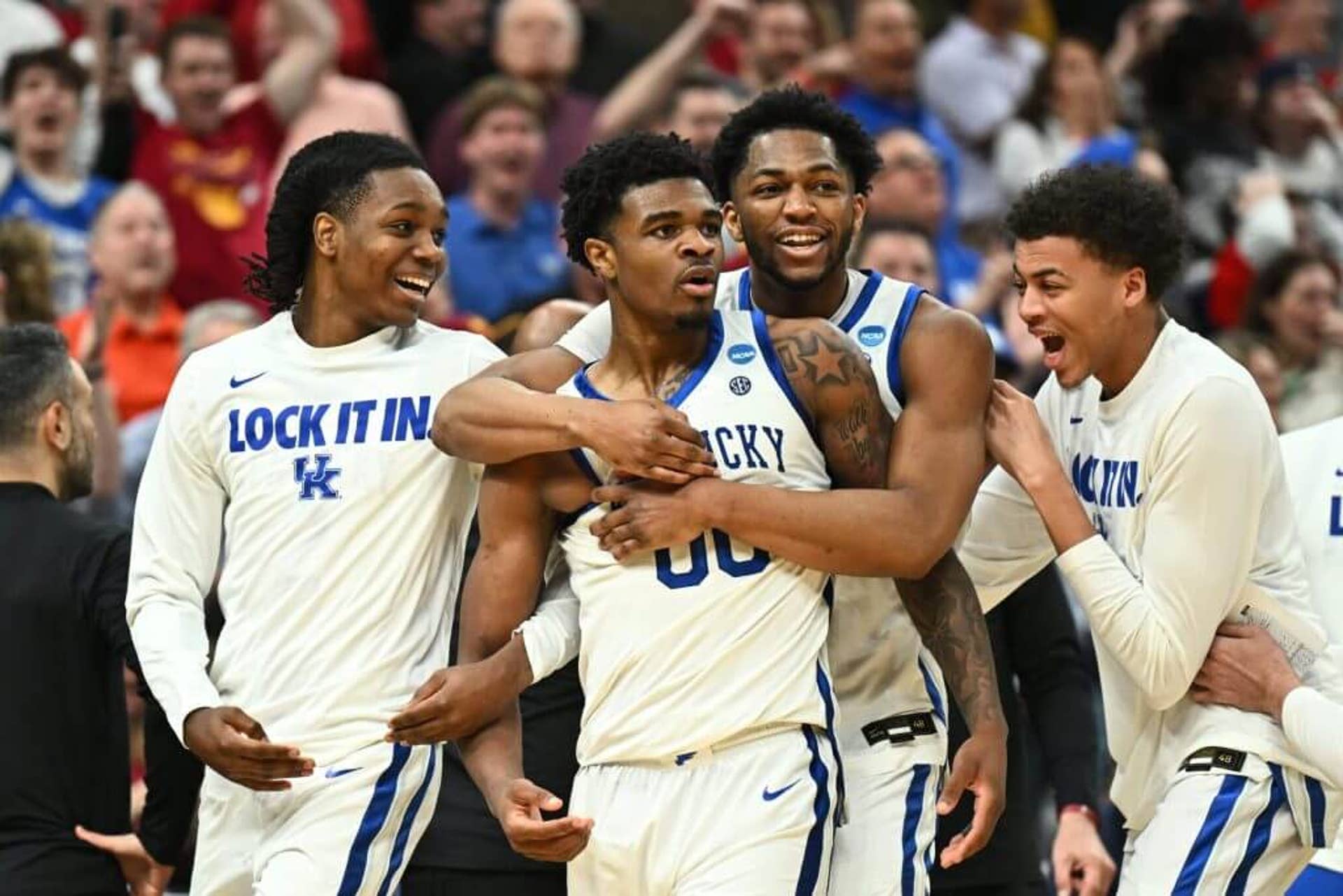
Kentucky athletics is no longer just playing to win games — it’s playing to dominate the business of college sports. In an era where money, branding, and strategy are reshaping the foundation of athletics, the University of Kentucky has made one of the boldest moves yet, positioning itself as a potential model for every major program chasing relevance and revenue.
At first glance, the numbers are staggering. A men’s basketball roster reportedly costing $22 million. A potential $141 million financial commitment tied to athletic development. Massive coaching contracts and buyouts. For critics, it may look like excess. But for Kentucky, it’s a calculated gamble — one rooted in the belief that modern college sports demand innovation, not caution.
The shift began with a groundbreaking structural change: the creation of Champions Blue LLC, an affiliated nonprofit designed to operate with the flexibility of a business. This move signals a major departure from the traditional collegiate model, where athletic departments functioned within rigid university systems. Instead, Kentucky is embracing a hybrid approach — maintaining its nonprofit identity while unlocking the speed and efficiency of a private enterprise.
Why does this matter? Because college sports have fundamentally changed. With the introduction of athlete compensation through revenue sharing and NIL (Name, Image, and Likeness) deals, universities are no longer just educational institutions supporting sports — they are active players in a multi-billion-dollar entertainment industry. And like any business, success now depends on maximizing revenue streams.
Kentucky’s strategy is simple but powerful: don’t just cut costs — create more money.
The LLC structure allows the program to move faster on major projects, such as stadium renovations and real estate development. One example is the planned entertainment district near Rupp Arena, which could include shops, restaurants, and possibly a hotel. This isn’t just about game-day excitement — it’s about generating year-round income. Every visitor, every purchase, every event becomes part of a larger financial ecosystem feeding Kentucky athletics.
Equally important is how Kentucky is leveraging partnerships. Its long-term agreement with a multimedia rights company is expected to generate hundreds of millions of dollars over time. These partnerships bring in corporate sponsorships, advertising deals, and branding opportunities that extend far beyond traditional ticket sales.
This is where the strategy becomes even more impactful. In today’s system, schools are limited in how much they can directly pay athletes through revenue sharing. However, third-party NIL deals — often facilitated through partnerships — exist outside those limits. Kentucky has effectively created a system where these external deals can flourish, giving its athletes access to significantly more earning potential while keeping the program competitive.
In other words, Kentucky isn’t just spending big — it’s building a machine designed to sustain and multiply that spending.
Of course, the approach comes with risks. There are unanswered legal questions surrounding athlete employment status, taxation, and potential collective bargaining rights. There’s also the challenge of maintaining competitive success while managing enormous financial expectations. A high-priced roster that underperforms, as seen this past season, can quickly turn public excitement into scrutiny.
But Kentucky appears unfazed by the uncertainty. Instead, it sees opportunity.
The program understands that standing still is no longer an option. As college athletics moves deeper into a professionalized model, schools that fail to adapt risk falling behind — not just in wins and losses, but in financial viability. Kentucky’s leadership believes that embracing a business mindset is the only way forward.
This philosophy extends beyond football and basketball. The goal is to elevate the entire athletic department, ensuring that every sport benefits from increased investment and visibility. By building a stronger financial foundation, Kentucky aims to compete at the highest level across the board.
What makes this approach particularly compelling is its potential ripple effect. If successful, Kentucky’s model could become the standard for other major programs. Universities with strong fan bases, media appeal, and corporate connections may follow suit, creating their own versions of flexible business entities to maximize revenue and streamline operations.
In that sense, Kentucky isn’t just transforming itself — it may be helping to redefine the future of college sports.
The message is clear: the game has changed. Championships still matter, but the path to winning them now runs through boardrooms, partnerships, and financial strategy as much as it does through practice courts and playing fields.
Kentucky has chosen to lead that transformation, not react to it.
Whether this bold experiment ultimately delivers championships remains to be seen. But one thing is certain — Kentucky is no longer just competing in college sports. It’s reshaping how the entire system works.




