


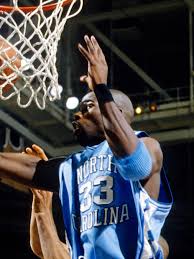
CHAPEL HILL — When the North Carolina Tar Heels men’s basketball began its high-stakes coaching search, few voices carried as much weight behind the scenes as Antawn Jamison. The Tar Heels icon, whose legacy in Chapel Hill remains firmly cemented, found himself deeply invested in the process—both emotionally and strategically—as the program looked to usher in a new era.
Jamison admitted the search wasn’t easy on him. Sleepless nights became common as conversations among former UNC players intensified. Group chats filled with speculation, चिंता, and passionate opinions about the future of the program they all cherished. As a respected figure among Carolina alumni, Jamison felt the urge to reassure his peers, to calm anxieties and promise that stability was coming. But he couldn’t—at least not publicly.
That restraint came from a place of trust. UNC leadership, including Lee Roberts, Bubba Cunningham, and Steve Newmark, had brought Jamison into the inner circle of the decision-making process. They valued his perspective not just as a former player, but as someone who truly understood the culture, expectations, and identity of Carolina basketball. Jamison became a bridge—connecting the administration with the program’s proud fraternity of former players.
When the decision was finally made to hire Michael Malone on April 7, the relief and excitement were immediate for Jamison. After weeks of quiet anticipation, he could finally share in the optimism he had been holding in.
“I had the biggest smile I’ve had in quite some time,” Jamison revealed, reflecting on the moment the news became official. For him, the decision wasn’t just about hiring a qualified coach—it was about finding the right fit for Carolina’s unique basketball family.
Jamison strongly believes Malone checks every box.
“This is truly a guy who is an unbelievable coach,” Jamison said during an appearance on the Carolina Insider podcast. “But most importantly, he wanted to come to Carolina. He wanted to embrace what the Carolina family is all about, even knowing he wasn’t born into it.”
That distinction mattered. At a program like UNC—where tradition, pride, and continuity define success—embracing the culture is just as important as X’s and O’s. Jamison saw in Malone not just a proven basketball mind, but someone eager to immerse himself in the values that have made Carolina one of college basketball’s most iconic programs.
The connection between Jamison and Malone isn’t just philosophical—it’s personal. Their relationship dates back to the 2009–10 Cleveland Cavaliers season, when Jamison joined the team midyear after a trade from the Washington Wizards. Malone, then an assistant coach, worked closely with Jamison during that stint, forming a bond built on mutual respect.
“I coached Antawn Jamison and Danny Green in Cleveland for 25 games,” Malone said during his introductory press conference. Those brief interactions left a lasting impression. Even after Malone moved on to other coaching opportunities, including a role with the Golden State Warriors, the relationship endured.
That familiarity gave Jamison unique insight during the search process. He wasn’t just evaluating Malone from afar—he had firsthand experience with his leadership style, communication, and basketball philosophy. That perspective proved invaluable to UNC decision-makers.
For Jamison, advocating for Malone wasn’t about nostalgia or personal ties—it was about alignment. He believed Malone possessed the rare combination of toughness, intelligence, and adaptability needed to succeed in today’s college game, while still respecting the traditions that define Carolina basketball.
The hiring also signals a broader shift in UNC’s approach. By involving former players like Jamison in meaningful ways, the program demonstrated a commitment to honoring its past while shaping its future. That collaboration helped ensure the choice of head coach wasn’t made in isolation, but with the full weight of Carolina’s legacy in mind.
As Malone steps into one of college basketball’s most scrutinized roles, he does so with strong backing—not just from the administration, but from the alumni who helped build the program’s reputation. And few endorsements carry more significance than that of Antawn Jamison.
Now, with a new chapter underway in Chapel Hill, Jamison’s early confidence in Malone will be closely watched. But if his instincts prove correct, UNC may have found not just a coach, but a leader capable of restoring the Tar Heels to national prominence.
For Jamison, the sleepless nights were worth it. The right decision was made—and the Carolina family, united once again, is ready to move forward.




