


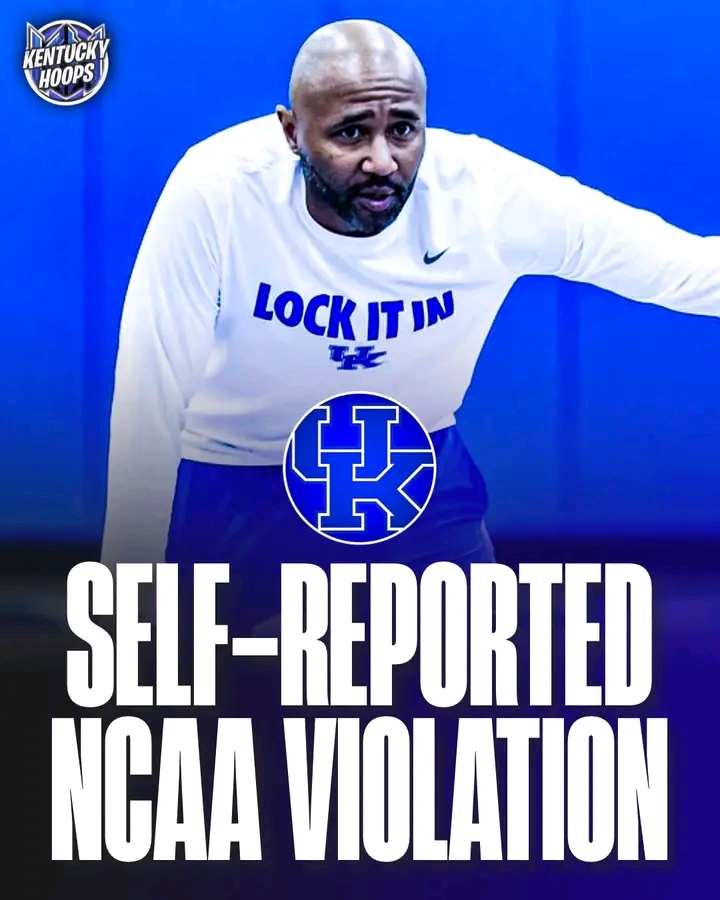
In today’s college basketball landscape, recruiting has become more competitive than ever. Every interaction between coaches and recruits is closely monitored, and even the smallest mistake can quickly turn into an NCAA compliance issue. That reality was on full display when Kentucky Basketball recently found itself self-reporting a recruiting violation after what appeared to be nothing more than an innocent social media interaction.
While the violation was classified as a Level III violation, considered one of the least severe under NCAA rules, it still served as a reminder that even powerhouse programs like Kentucky are expected to follow recruiting regulations to the letter. More importantly, it demonstrated how quickly a seemingly harmless online exchange can create consequences for an entire coaching staff.
The incident centered around Kentucky assistant coach Mo Williams, whose brief interaction with one of the nation’s top recruits ultimately forced the Wildcats to report themselves to the NCAA.
An Innocent Mistake That Became an NCAA Issue
According to reports from KSR and On3, the situation began when Williams replied to a social media post made by elite recruit Tyran Stokes.
On the surface, it may not have seemed like anything unusual. Coaches, players, and fans interact on social media every day. However, NCAA recruiting rules draw a clear distinction between what coaches can and cannot do when it comes to unsigned prospects.
Public comments directed toward unsigned recruits are prohibited.
Williams reportedly believed that replying directly to a recruit’s social media post was allowed under NCAA guidelines. Acting under that misunderstanding, he responded publicly.
Once Kentucky’s compliance department realized the reply violated NCAA recruiting rules, the university moved quickly.
The post was deleted.
Then Kentucky voluntarily informed the NCAA about what had happened.
Kentucky Chose Transparency
Rather than waiting for the issue to surface elsewhere, Kentucky elected to self-report the violation.
Programs often choose this route when they discover a rules infraction because it demonstrates cooperation and a commitment to NCAA compliance. Self-reporting also allows schools to take responsibility for mistakes and implement corrective measures before more serious issues develop.
In this case, Kentucky acknowledged that the violation resulted from a misunderstanding of NCAA regulations rather than any intentional effort to gain a recruiting advantage.
That distinction matters.
The NCAA categorized the incident as a Level III violation, which generally applies to isolated or minor infractions that provide little or no recruiting benefit.
Still, the Wildcats understood that even minor violations require accountability.
Self-Imposed Penalties
Following the self-report, Kentucky did not simply acknowledge the mistake.
The program also imposed several penalties upon itself.
The most significant was a 45-day prohibition on in-person recruiting contact with Tyran Stokes.
Interestingly, that penalty ultimately became irrelevant because Stokes later signed with Kansas, ending Kentucky’s pursuit of the highly regarded prospect.
However, the Wildcats went a step further.
Kentucky also stipulated that if Stokes were ever released from his National Letter of Intent in the future, the school would still honor an additional 14-day ban on off-campus recruiting contact with him.
The penalties didn’t stop there.
The NCAA also prohibited Kentucky’s coaching staff from engaging in written or digital communication with any recruits for one week.
Although relatively short, such restrictions can be significant during busy recruiting periods, when coaches routinely communicate with dozens of prospects through text messages, emails, and other approved digital platforms.
Why the Rule Exists
To many fans, the violation may seem surprising.
After all, how could replying to a social media post create an NCAA violation?
The answer lies in the NCAA’s longstanding effort to regulate recruiting communication.
The organization has established detailed guidelines governing how and when coaches may communicate with prospective student-athletes. These rules are intended to promote fairness among programs and prevent schools from using public interactions to gain an advantage in recruiting battles.
Public replies, comments, or endorsements directed toward unsigned recruits can be interpreted as recruiting activity.
Even when no recruiting message is explicitly included, the public nature of the interaction places it within NCAA oversight.
As a result, coaches are expected to understand these distinctions and avoid actions that could violate recruiting legislation.
A Learning Moment for Kentucky
While no program wants to appear in NCAA reports, Kentucky’s response reflected a commitment to correcting mistakes immediately.
The university reportedly determined that Williams’ reply stemmed from an honest misunderstanding of the rules rather than intentional misconduct.
That difference likely played a significant role in how the matter was handled.
Instead of escalating into a major NCAA investigation, the issue remained a minor compliance matter.
Still, Kentucky used the opportunity to reinforce compliance education within the program, ensuring coaches fully understand current recruiting regulations moving forward.
The Growing Role of Social Media
College athletics have changed dramatically over the past decade.
Recruiting is no longer limited to phone calls, home visits, and official campus trips.
Today’s recruiting battles unfold across Instagram, X (formerly Twitter), TikTok, and other digital platforms where recruits regularly share highlights, announcements, and personal updates.
That constant online activity creates new challenges for coaching staffs.
Every like, repost, reply, or public interaction must comply with NCAA rules.
What may seem like an everyday social media habit for most people can carry regulatory consequences for college coaches.
The Kentucky situation illustrates just how carefully programs must navigate these digital spaces.
Tyran Stokes’ Recruitment Moves On
Although the recruiting restrictions initially centered around Tyran Stokes, the situation eventually became less impactful after the elite prospect signed with Kansas.
That development effectively ended Kentucky’s recruitment, making the original 45-day recruiting restriction largely symbolic.
Nevertheless, the Wildcats honored their self-imposed penalties and documented the violation through the proper NCAA channels.
It serves as an example of how compliance procedures continue even after recruiting outcomes have changed.
Minor Violation, Major Reminder
It’s important to keep this incident in perspective.
The NCAA classified the matter as a Level III violation, the least serious category of infractions.
There were no allegations of improper benefits.
There were no accusations of academic misconduct.
There were no recruiting inducements or major violations.
Instead, the issue involved a misunderstanding regarding social media communication rules.
While that does not excuse the mistake, it explains why the NCAA’s response remained limited.
For Kentucky, the incident is far more of an administrative lesson than a competitive setback.
Mark Pope’s Program Remains Focused
As Mark Pope continues building Kentucky’s future, maintaining a strong culture of accountability extends beyond practices and games.
Programs competing at the highest level must balance recruiting aggressively while remaining compliant with ever-evolving NCAA legislation.
Kentucky’s willingness to acknowledge the mistake, report it voluntarily, and accept penalties reflects an understanding that compliance is an essential part of sustaining long-term success.
The Wildcats remain one of the nation’s premier destinations for elite talent, and there is little indication that this isolated incident will have any lasting impact on the program’s recruiting momentum.
Looking Ahead
College basketball recruiting will only continue becoming more digital, more competitive, and more closely monitored.
That means coaching staffs across the country must stay informed as NCAA rules evolve alongside changing technology.
Kentucky’s recent self-reported violation serves as a reminder that even experienced coaches can occasionally misunderstand complex regulations.
Fortunately for the Wildcats, the matter was handled quickly, transparently, and within NCAA procedures.
While a single social media reply briefly placed Kentucky in the compliance spotlight, the story ultimately became less about punishment and more about accountability. By acknowledging the mistake, accepting self-imposed penalties, and reinforcing its commitment to following NCAA rules, the program demonstrated the importance of transparency in modern college athletics.
For Big Blue Nation, the incident may have generated headlines, but it is unlikely to define Kentucky’s future. Instead, it stands as a valuable reminder that in today’s recruiting environment, every interaction—even one as simple as a social media reply—can carry consequences. As the Wildcats continue preparing for another highly anticipated season under
Mark Pope, their attention now returns to what matters most: building a championship-caliber team while competing within the rules that govern the game.




