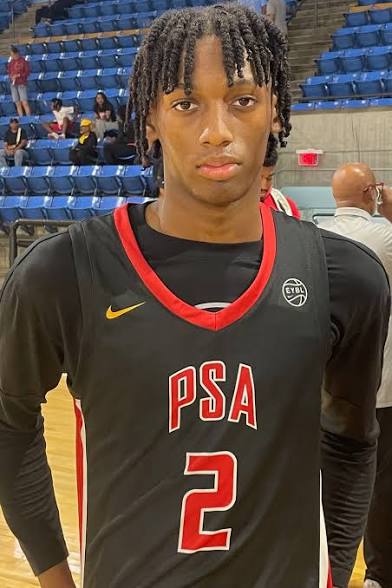
The recruiting world thrives on momentum, timing, and perception, and Dylan Mingo’s decision to delay his college commitment may have quietly shifted all three in North Carolina’s favor.
What was supposed to be a definitive announcement on Thursday, Jan. 22, has now turned into another chapter in one of the most closely watched recruiting sagas in the Class of 2026. For UNC, a program searching for stability and a spark, the pause could not have come at a more important time.
Mingo, a 5-star point guard and one of the most coveted guards in the country, is facing the biggest decision of his young career. His recruitment has been a slow burn, with Penn State, Washington, Baylor, and North Carolina all making strong pitches. When he announced over the weekend that he would delay his commitment, it immediately reignited hope for programs that may have felt they were trailing just days earlier.
At first glance, UNC doesn’t look like the obvious beneficiary of a delay. The Tar Heels are currently experiencing their roughest stretch of the season, sitting at 2–3 in ACC play and having dropped three of their last four games.
Confidence around the program has wavered, and national narratives have begun to question whether this group has the consistency to compete at a high level in March.
However, recruiting decisions are rarely made based on a single snapshot in time. Instead, they are influenced by trends, trajectories, and how a program responds to adversity.
By pushing his decision back, Mingo has effectively given UNC the chance to rewrite its story — not just for him, but for every elite recruit watching closely.
Mingo is a 6-foot-5 guard out of New York, ranked as the No. 6 overall prospect in the Class of 2026 and the top player in his state. His size, court vision, and scoring ability make him a program-changer at the college level. Landing him would instantly elevate any roster, and for UNC, it would signal that Chapel Hill remains a destination for elite guards in the modern era.
According to 247Sports’ Crystal Ball projections, Baylor currently holds the edge in Mingo’s recruitment. That projection, however, is far from definitive.
Crystal Balls are snapshots, not guarantees, and recruiting history is filled with examples of late momentum swings changing everything. The delay opens the door for just such a shift.
One of the biggest reasons this delay helps UNC is the immediate opportunity on the court. The Tar Heels have two crucial games coming up — Notre Dame and No. 14 Virginia. If UNC handles business, it could dramatically change how the program is perceived nationally. A 16–4 overall record with four ranked wins paints a far different picture than the one currently surrounding the team.
Momentum matters to elite recruits, especially guards like Mingo who want to lead, not rescue, a program. Seeing UNC stabilize, respond to criticism, and stack quality wins would reinforce the idea that Chapel Hill offers both opportunity and structure. A strong week could remind Mingo why UNC was ever in serious contention to begin with.
Meanwhile, Baylor’s situation adds another layer to this equation. The Bears have stumbled out of the gate in Big 12 play, currently sitting at 1–5 in conference action — their worst start in more than a decade.
While Baylor remains a respected program, prolonged struggles can raise questions in a recruit’s mind about roster balance, fit, and immediate opportunity.
Recruiting is often about contrast. If UNC is trending upward while Baylor continues to spiral, the gap between perception and reality begins to close. What once looked like a clear advantage for Baylor could suddenly feel far less secure, especially for a player who wants to compete for championships and national relevance.
Another important factor is visibility and presence. UNC assistant coaches were on hand at the Hoophall Classic to watch Mingo compete, reinforcing the staff’s continued interest and commitment to his recruitment. That kind of consistent attention matters, particularly during moments of uncertainty when recruits are reevaluating their options.
For Mingo, delaying the decision may be about more than wins and losses. It could be about fit, development, and long-term trajectory. UNC’s guard tradition, national brand, and ability to showcase players on a big stage remain powerful selling points, even during down stretches. A short delay allows him to see whether those promises align with reality.
From UNC’s perspective, this week represents more than just survival — it’s an audition. Not just for Mingo, but for the future of the program under its current leadership. How the Tar Heels respond to pressure, criticism, and adversity will speak volumes to recruits evaluating where they want to spend the next chapter of their careers.
There is also a broader program-building angle at play. Landing a 5-star guard like Mingo would do more than help UNC next season; it would serve as a cornerstone for the next several years. Elite guards attract other elite players, stabilize recruiting classes, and redefine expectations almost overnight.
No one outside Mingo’s inner circle truly knows why he delayed his announcement. It could be logistical, emotional, or strategic. But in college basketball recruiting, timing is everything, and this delay gives UNC something it desperately needed: time to change the narrative.
If the Tar Heels seize this opportunity, the next week could become a turning point — not only salvaging the current season but reshaping the future of the program. What began as a frustrating delay may ultimately be remembered as the moment UNC got a second chance.