


There’s an old saying in sports: you can hide cracks when the sun is shining, but the moment the storm comes, they show themselves. Kentucky walked into Memorial Gymnasium glowing from five straight SEC wins, confident, steady, and believing the hard part of the season was behind them. For a while, everything looked fine on the surface. But just like a house with a weak foundation, it didn’t take long for pressure to expose what had quietly been waiting underneath. By the time the first half ended, Big Blue Nation knew something was very wrong — even if it couldn’t yet put a single word to it.
A Night That Slipped Away Almost Immediately
Kentucky arrived in Nashville with momentum. Five consecutive SEC wins had settled nerves, silenced early doubts, and created belief that Mark Pope’s first season was starting to find its footing. Road wins hadn’t come easily, but this group had shown fight, resilience, and just enough toughness to climb out of trouble time and again.
That’s why what happened next felt so jarring.
Less than ten minutes into the game, Kentucky was already chasing. Not just on the scoreboard — but emotionally. Vanderbilt jumped on the Wildcats early, attacking loose balls, winning races, and playing with an edge that Kentucky never matched. The double-digit deficit arrived quickly, but what made it alarming was how it arrived. There was no single disastrous run, no fluke shooting stretch. It was methodical. Vanderbilt earned everything, while Kentucky looked like a step behind in every area.
By halftime, the Wildcats were down 20 points. The game, for all practical purposes, was over before it ever truly began.
Losing Is One Thing — How You Lose Is Another
Kentucky basketball fans are realistic. This is a new staff, a roster still finding itself, and the SEC is unforgiving. Losses are inevitable. Even blowouts happen.
But effort? That’s different.
What made Tuesday night so difficult to watch wasn’t the score — it was the body language, the possessions that ended without resistance, the plays where Vanderbilt wanted the ball more. From the opening tip to the final buzzer, the Commodores played like the game mattered deeply to them. Kentucky played like it assumed the game would eventually tilt in its favor.
It never did.
The Glass Told the Story Before the Score Did
Sometimes effort doesn’t show up in shooting percentages or highlight plays. Sometimes it shows up in places that require grit, timing, and will.
Rebounding was one of them.
Vanderbilt’s tallest starter stood just 6-foot-7. On paper, this should have been an advantage for Kentucky. With Malachi Moreno, Andrija Jelavic, Brandon Garrison, and Mo Dioubate available, the Wildcats had the size and athleticism to control the glass.
They didn’t.
Vanderbilt won the rebounding battle 43–37, but numbers alone don’t capture how lopsided it felt. Long rebounds went uncontested. Second-chance opportunities piled up. Kentucky players often watched instead of pursuing, assuming someone else would clean it up.
In basketball, rebounding is a mindset before it’s a skill. And on this night, Vanderbilt’s mindset was far sharper.
Turnovers That Became Backbreakers
If rebounding showed the problem quietly, turnovers screamed it loudly.
Kentucky turned the ball over 15 times. Vanderbilt turned those mistakes into 28 points.
That’s not just sloppy execution — that’s being careless with possessions. Live-ball turnovers fueled Vanderbilt’s transition offense, ignited the crowd, and drained any chance Kentucky had of settling into the game.
Meanwhile, Vanderbilt protected the ball, committing just nine turnovers. They valued every possession. Kentucky treated too many like they’d get another chance regardless.
Against a team playing with confidence and urgency, that’s a recipe for disaster.
The Issue Kentucky Thought It Had Fixed
Early in the season, effort was a problem. That wasn’t a secret. Kentucky looked disengaged at times, especially in road and neutral-site games. Defensive rotations were slow. Physicality was inconsistent. Energy fluctuated wildly from half to half.
But during the five-game winning streak, something changed.
Kentucky fought. They competed. They played through adversity. They didn’t always play clean basketball, but they played connected basketball. That’s why Tuesday night felt like such a gut punch — it wasn’t just a loss, it was a regression.
The very thing fans believed had been cleaned up quietly resurfaced at the worst possible time.
And once it showed itself, it spread.
When One Possession Bleeds Into the Next
Basketball is a game of momentum, but momentum isn’t always about scoring runs. Sometimes it’s about posture. How a team responds after a missed shot. Who talks during dead balls. Whether players sprint back after a mistake.
Against Vanderbilt, Kentucky rarely stacked good possessions. A missed rotation turned into a finger point. A turnover led to heads dropping. A defensive breakdown was followed by slow transition defense.
Vanderbilt sensed it and pounced.
Great teams smell vulnerability. They don’t wait for you to recover — they press harder.
Coaching Can Guide, But Players Must Choose
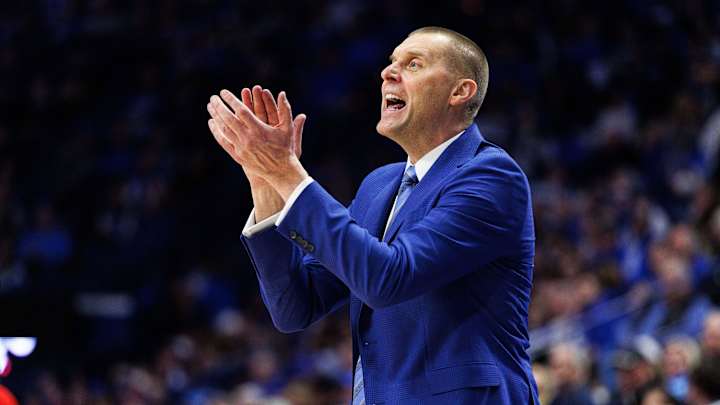
Mark Pope was clear after the game. His team didn’t respond to physicality. They didn’t assert themselves. And this hasn’t been a one-off issue — it’s been a battle all season.
That admission matters.
Coaches can scheme. They can motivate. They can adjust rotations. But engagement is a choice players make possession by possession. It’s the decision to cut harder, box out longer, sprint when tired, and stay locked in when things start going sideways.
Kentucky didn’t make those choices often enough in Nashville.
Why This Loss Felt Louder Than the Others
Some losses sting. This one lingered.
It lingered because it came after momentum had been built. It lingered because Kentucky looked unrecognizable from the team that had clawed its way to five straight wins. And it lingered because effort — the one thing that should never disappear — vanished for long stretches.
For Big Blue Nation, that’s the hardest pill to swallow.
You can forgive missed shots. You can live with foul trouble. You can accept tough road environments.
What’s hard to accept is watching the other team play like it wants the game more.
The Reality of Road Games and Neutral Floors
There’s a reason Kentucky has consistently found itself trailing early in road and neutral-site games this season. Engagement doesn’t travel automatically — it must be carried intentionally.
When a team waits to “feel” its way into a game, the SEC punishes that hesitation. Vanderbilt didn’t wait. They dictated pace, tone, and physicality from the opening possession.
Kentucky reacted instead of imposed.
By the time urgency arrived, the game was gone.
A Chance for a Response — Not a Reset
The good news? Basketball doesn’t wait.
Kentucky now heads to Fayetteville for a matchup with John Calipari and Arkansas. On paper, it’s another uphill battle. The Wildcats will be underdogs. The environment will be hostile. The margin for error will be thin.
But games like this also offer clarity.
Effort is non-negotiable. Physicality must be embraced, not avoided. Engagement must start at tip-off, not after halftime adjustments.
If Kentucky responds with purpose, this loss becomes a lesson.
If not, it becomes a warning.
Final Thought: The Storm Exposed the Foundation
Kentucky didn’t just lose to Vanderbilt. It was reminded that progress isn’t permanent — it has to be reinforced every night. The storm came, and it revealed something the Wildcats thought they had moved past.
Now comes the real test.
Not whether Kentucky can win its next game — but whether it can rediscover the edge that fueled its recent success. Because in this league, effort doesn’t just matter.
It decides everything.




