


March is here, and with it comes the intensity, pressure, and unpredictability that define college basketball’s most exciting stretch. As the Atlantic Coast Conference (ACC) heads into postseason play, every possession becomes more meaningful, every matchup more strategic, and every role player more important. While stars usually grab the headlines, history shows that deep tournament runs are often fueled by unexpected contributors — the players who step up when defenses focus on the biggest names.
This year is no different. Across the ACC, several players who may not dominate the spotlight every night are poised to become decisive figures once tournament basketball begins. Their scoring bursts, defensive energy, or clutch performances could determine whether their teams survive March or see their seasons end early.
Here are five postseason X-factors who could shape the ACC’s road to championship glory.
Dame Sarr – Duke
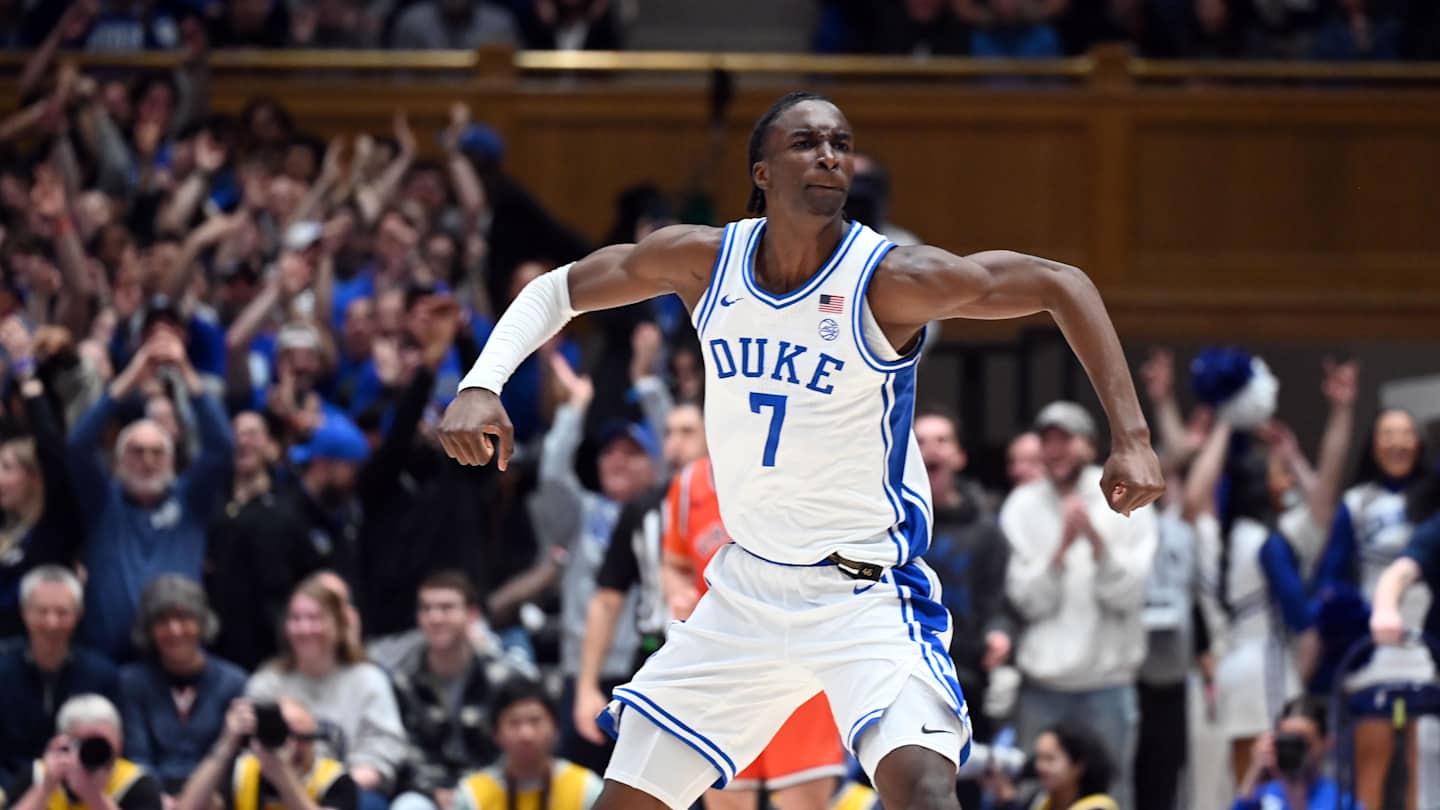
For Duke, depth and versatility have been central to their dominance this season, but one player in particular could swing the outcome of their biggest games: Dame Sarr. The freshman guard brings elite length, defensive intensity, and the ability to disrupt opposing offenses with relentless on-ball pressure.
Former Duke star Carlos Boozer recently remarked that the Blue Devils become nearly unstoppable when Sarr starts knocking down shots — and the numbers back that up. When Sarr contributes offensively, Duke’s already balanced attack becomes even harder to defend.
Interestingly, his scoring doesn’t always correlate directly with wins. Duke sits at 4–2 in games where he scores nine or more points. Still, his defensive presence alone often forces opponents into uncomfortable situations. As Duke prepares to face the nation’s toughest competition in March, Sarr’s ability to stay on the floor and hit timely shots could become a major factor in determining how far the Blue Devils go.
Sam Lewis – Virginia
Virginia’s disciplined system under Tony Bennett thrives on balance, patience, and defensive precision. While several Cavaliers receive attention for their offensive output, Sam Lewis quietly serves as one of the team’s most unpredictable scoring threats.
Lewis has had a fascinating ACC campaign. In conference play, he has recorded nearly as many games with six points or fewer as games with 15 or more, making him one of the most volatile contributors in Virginia’s lineup. However, his best performances tend to come against strong competition.
He has been particularly effective against NC State, shooting an impressive 15-for-23 across two meetings. Against ACC teams with winning conference records, Lewis is averaging 13.3 points per game — proof that he rises to the moment when the stakes increase.
With Jacari White returning to form after injury, Virginia now has multiple offensive weapons outside of its primary scorers. If Lewis catches fire at the right time, he has already shown he can carry the Cavaliers through a high-pressure game.
Shelton Henderson – Miami
Freshman Shelton Henderson entered the season with high expectations, but he has spent much of the year adjusting to a secondary role behind experienced teammates Tre Donaldson and Malik Reneau. Recently, however, Henderson has started to showcase the aggressive attacking style that made him such a highly regarded recruit.
While his perimeter shooting has cooled — he hasn’t made a three-pointer since January — Henderson has compensated by attacking the rim with remarkable efficiency. Since January 31, he has converted an impressive 62.5 percent of his two-point attempts.
That interior scoring could become crucial for Miami, particularly when Reneau inevitably deals with foul trouble in high-stakes games. Henderson’s combination of size, strength, and athleticism makes him a difficult matchup even for elite defenses. If the Hurricanes want to make noise in the postseason, they may need Henderson to deliver breakout performances when opponents least expect it.
Paul McNeil Jr. – NC State
Few players in the ACC influence their team’s success as directly as NC State’s Paul McNeil Jr. The Wolfpack’s offense is built heavily around perimeter shooting, and McNeil sits at the heart of that strategy.
During NC State’s recent 1–5 slump, McNeil struggled from beyond the arc, shooting just 32.6 percent from three-point range. That drop in efficiency mirrored the team’s overall struggles, highlighting just how critical his shooting is to the Wolfpack’s success.
When McNeil is at his best, the results are clear. NC State holds a 9–2 record when he scores at least 15 points. He has also made more three-pointers this season than every ACC player except Ryan Conwell, helping power the conference’s second-best shooting offense.
If NC State hopes to revive its postseason hopes, the formula is simple: let it fly from deep. And leading that offensive barrage will almost certainly be McNeil.
Chris Bell – California
California’s offense has several dynamic pieces, but none may be more important to its spacing and rhythm than Chris Bell. When Bell gets going from long distance, he transforms the Golden Bears’ offensive flow.
Bell’s scoring profile reveals a clear pattern. He has only scored more than 14 points once this season without making at least three three-pointers. In other words, when his outside shot is falling, the entire Cal offense becomes significantly more dangerous.
Opposing defenses have recently done a better job slowing down primary playmakers Dai Dai Ames and Justin Pippen. That shift places even greater responsibility on Bell to stretch defenses and create open driving lanes for teammates.
His performance against SMU earlier this season demonstrated exactly what he can do when he finds his rhythm. If Bell can knock down a few corner threes early in a game, confidence tends to build quickly — and so does California’s offensive momentum.
Performance of the Week
While the week lacked major upsets or dramatic finishes, one performance still stood out. Duke delivered a dominant victory over Virginia to clinch the ACC’s No. 1 seed, jumping out to a commanding 28–12 lead and never looking back.
The Blue Devils became the first team all season to hold the Cavaliers under 60 points. Cameron Boozer led the way with 18 points, nine rebounds, and four assists despite making just three field goals. Isaiah Evans added five three-pointers, while Caleb Foster continued his strong playmaking run with several key assists.
Statline of the Week
Wake Forest’s Myles Colvin delivered one of the most impressive individual performances of the season, erupting for 32 points while shooting 7-for-8 from three-point range and grabbing eight rebounds.
Weekend Game to Watch
The ACC’s most iconic rivalry returns as North Carolina faces Duke in Durham. While the result may not significantly impact postseason positioning — North Carolina has already secured a double bye in the ACC Tournament — pride and momentum remain very much on the line.
Duke will be seeking revenge after Seth Trimble’s dramatic game-winner earlier this season in Chapel Hill. Meanwhile, North Carolina has its sights set on knocking the Blue Devils out of the No. 1 ranking.
The biggest storyline surrounding the game, however, is the status of Tar Heels forward Caleb Wilson, who has been recovering from a fractured hand. If Wilson returns, it will provide a crucial preview of how effective he might be during the postseason. Should he remain limited, the spotlight may shift to Jarin Stevenson to step up and challenge Duke star Cameron Boozer in the paint.
With rivalries, redemption, and postseason momentum all at stake, the ACC’s final weekend promises to deliver plenty of drama before March Madness officially begins.




