


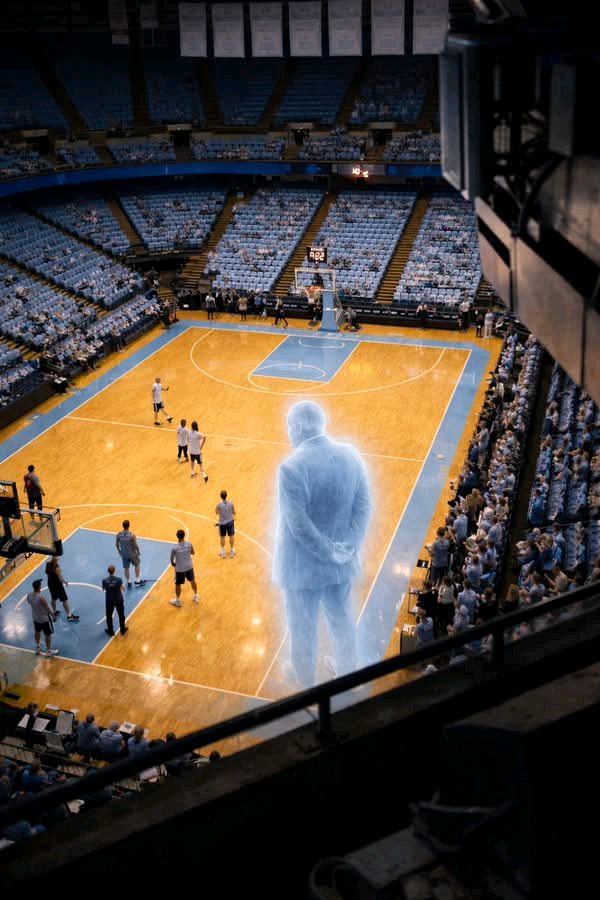
In a stunning and highly unconventional development, University of North Carolina is reportedly navigating one of the most unusual transitional periods in its storied basketball history by relying on what insiders are calling a “ghost” interim coach to represent the program.
The situation comes on the heels of a disappointing and emotionally charged exit from the NCAA Tournament, a loss that not only shocked fans but reignited serious questions about leadership, direction, and the immediate future of the program.
With pressure mounting from alumni, boosters, and supporters across the country, UNC has yet to publicly name a traditional interim head coach—leading to widespread speculation and confusion.
According to multiple sources familiar with the program, the term “ghost coach” does not imply anything supernatural, but rather describes a behind-the-scenes figure who is quietly managing day-to-day operations without formally stepping into the spotlight.
This individual is believed to be heavily involved in team meetings, practice planning, and internal decision-making, yet remains absent from media appearances, official announcements, and public-facing duties.
This shadow-like leadership approach is virtually unheard of at a program as prominent as the North Carolina Tar Heels men’s basketball, where tradition, visibility, and strong leadership have always been central pillars.
The decision to operate in such a discreet manner signals just how delicate and complex the current situation has become behind closed doors.
Some insiders suggest the move is strategic—allowing the university time to carefully evaluate its long-term options without rushing into a decision that could define the next decade of Tar Heel basketball.
Others believe it reflects deeper internal uncertainty, with key decision-makers not yet aligned on whether to retain current leadership, promote from within, or pursue a high-profile external candidate.
Fan reaction has been intense and divided. While some supporters appreciate the patience and caution being exercised, others have voiced frustration over the lack of transparency.
Social media has been flooded with theories, debates, and calls for clarity, with many questioning how a program of UNC’s stature can operate without a clearly identified leader.
Former players and alumni have also begun to weigh in, emphasizing the importance of strong, visible leadership during moments of adversity. The Tar Heels’ legacy—built by iconic figures and championship-winning coaches—adds even more pressure to ensure the next move is the right one.
Meanwhile, players are left navigating uncertainty as they prepare for the future. Stability within the locker room remains a top priority, and sources indicate that the “ghost” interim presence has at least provided a sense of structure during an otherwise chaotic stretch.
University officials have remained tight-lipped, declining to confirm or deny the reports. However, the silence has only amplified curiosity and concern, leaving many to wonder how long this temporary arrangement will last.
As the offseason unfolds, all eyes remain on Chapel Hill.
Whether this mysterious interim approach is a short-term solution or a sign of larger changes to come, one thing is undeniable—University of North Carolina is standing at a critical crossroads, and the next decision could reshape the future of one of college basketball’s most iconic programs.




