


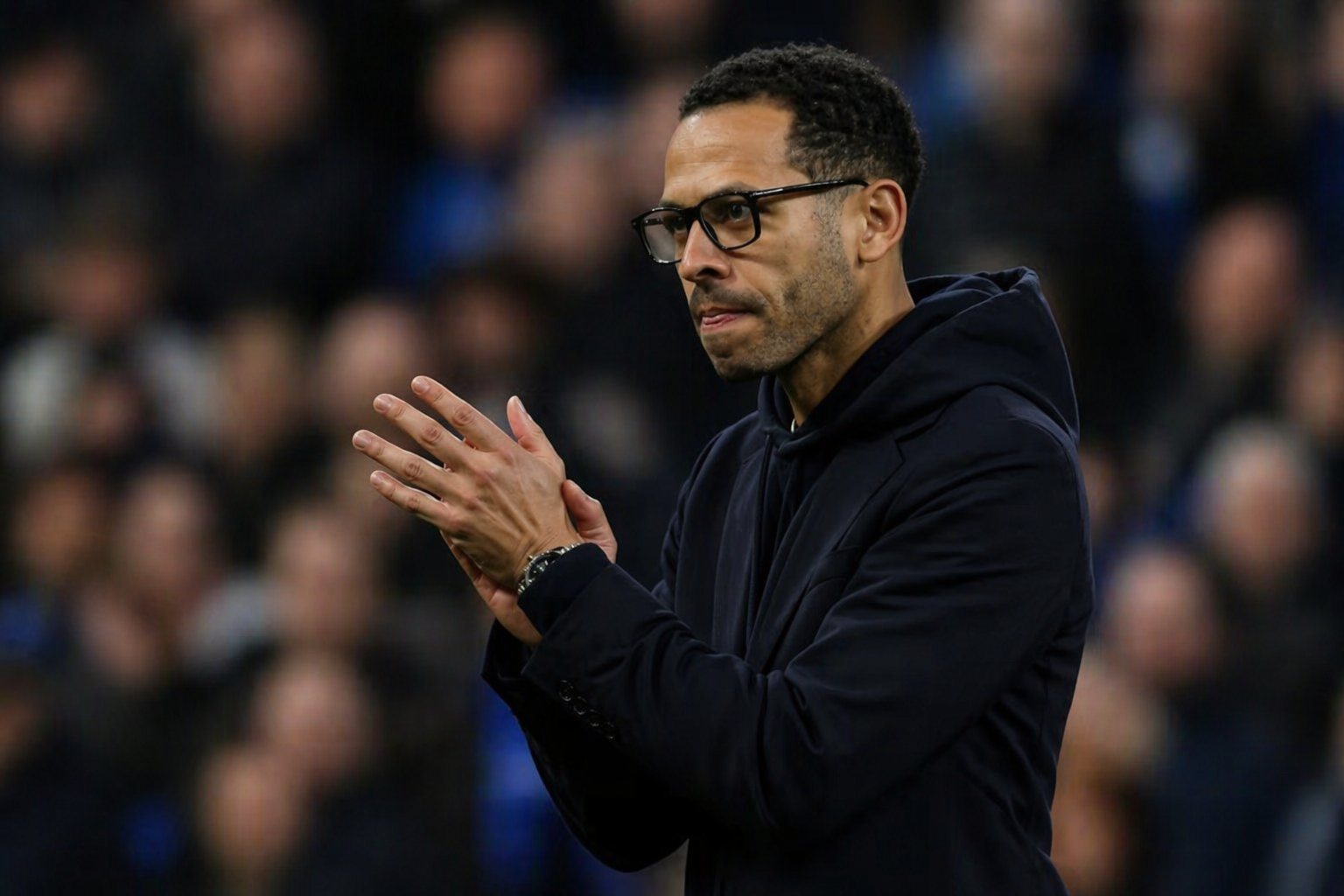
Chelsea FC have made a dramatic managerial change, parting ways with head coach Liam Rosenior just three months into what was initially a long-term six-and-a-half-year contract. The decision marks yet another bold—and controversial—move by the club’s ownership as they continue their search for stability and success at the highest level.
Rosenior, who took charge on January 6 following the departure of Enzo Maresca, leaves the club after overseeing 23 matches in all competitions. During that period, Chelsea recorded 10 wins, 3 draws, and 10 defeats—a mixed run of results that ultimately failed to convince the club’s leadership that progress was being made.
While Rosenior initially showed promise, particularly in his early matches, Chelsea’s form took a sharp downturn in recent weeks. The team lost seven of their last eight matches across all competitions, including five consecutive defeats in the Premier League. Even more concerning was the team’s inability to score, going five straight league games without finding the net—a drought not seen at the club since 1912.
The final blow came in a heavy 3-0 defeat away at Brighton, a result that exposed both tactical vulnerabilities and a lack of cohesion on the pitch. That performance proved to be the tipping point for Chelsea’s hierarchy, led by Behdad Eghbali and the BlueCo ownership group, who convened to assess the situation and decided immediate action was necessary.
In an official statement, Chelsea confirmed the decision, expressing gratitude for Rosenior’s professionalism during a challenging period. The club acknowledged that the decision was not taken lightly but emphasized that recent performances had fallen well below the expected standards.
“Chelsea Football Club has today parted company with Head Coach Liam Rosenior,” the statement read. “We thank Liam and his staff for their efforts and professionalism. However, results and performances have not met the level required as we continue to compete on multiple fronts this season.”
With crucial fixtures still ahead, including an FA Cup semi-final clash against Leeds United, Chelsea have moved quickly to appoint an interim solution. Calum McFarlane will step in as Interim Head Coach for the remainder of the season, supported by the existing backroom staff. His immediate task will be to steady the squad and reignite their push for European qualification.
Rosenior’s departure is particularly surprising given the club’s original long-term vision. BlueCo had reportedly planned to evaluate his progress over several seasons, with a formal review initially scheduled for the 2027/28 campaign. However, the rapid decline in results forced a rethink, highlighting the intense pressure and expectations that come with managing a club of Chelsea’s stature.
Tensions had also begun to surface behind the scenes. Following the defeat at Brighton, Rosenior delivered a candid and unusually critical post-match assessment, publicly questioning the commitment and mentality of his players. While he accepted responsibility, his remarks suggested deeper issues within the squad.
“In the basics, in the pride that you should have in wearing the shirt, that was unacceptable,” Rosenior said after the match. “I’ve defended the players and I am accountable, but after tonight, they need to look at themselves as well. Tactics come after the basics—courage, effort, winning duels. That simply wasn’t there.”
Such comments, while honest, may have further strained relationships within the dressing room at a time when unity was most needed. Reports of unrest among players had already begun circulating, adding another layer of complexity to an already difficult situation.
Chelsea’s decision to act swiftly reflects a broader pattern under their current ownership—one that prioritizes decisive action over patience. Since taking control, the club has not hesitated to make significant changes in pursuit of success, even if it means disrupting long-term plans.
Now, attention turns to what comes next. The club has indicated that a thorough process will be undertaken to identify a permanent head coach capable of delivering both immediate results and long-term stability. Several high-profile candidates are already being linked with the role, and the coming weeks are expected to be crucial in shaping Chelsea’s future direction.
For now, all eyes will be on McFarlane as he prepares the team for a defining stretch of the season. With silverware still within reach and European qualification on the line, the interim boss has an opportunity to restore confidence and momentum.
As for Rosenior, his brief tenure at Stamford Bridge serves as a reminder of the unforgiving nature of elite football management. Despite arriving with a clear vision and long-term backing, results ultimately dictated his fate. His next move will be closely watched, as many still regard him as a talented coach capable of النجاح in the right environment.
Chelsea, meanwhile, find themselves at yet another crossroads—searching for answers, stability, and a return to the standards that once made them one of Europe’s most formidable forces.




