


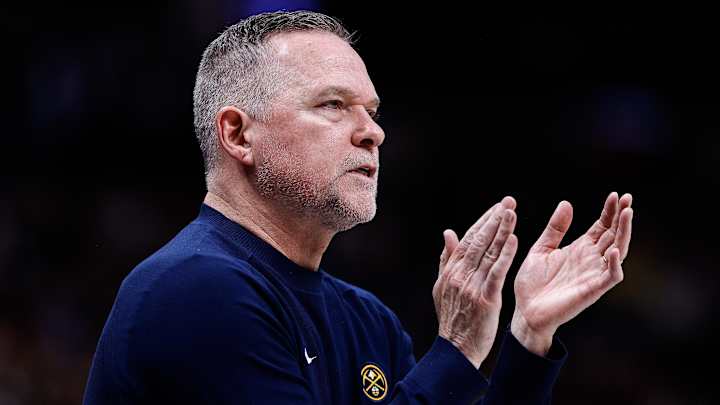
Latest news surrounding the North Carolina Tar Heels continues to paint a picture of a program in aggressive rebuild mode, with head coach Michael Malone leaving no stone unturned in his quest to reshape the roster into a championship contender.
In the wake of a disappointing early exit from the NCAA Tournament and a sudden coaching transition, expectations were uncertain. However, what has followed since Malone’s arrival has been a calculated and ambitious roster overhaul that signals a clear intent: compete immediately while building for sustained success.
The loss of Henri Veesaar to the 2026 NBA Draft initially appeared to be a devastating blow. His production, efficiency, and versatility made him one of the most valuable big men in college basketball. Replacing that level of output is no small task, yet Malone and his staff moved quickly to stabilize the frontcourt.
Their response began with the addition of Northwestern transfer Cade Bennerman, a move that added experience and physicality. But the headline-grabbing acquisition came in the form of Barcelona’s rising star Sayon Keita, who is already being projected as the team’s starting center heading into the 2026 season.
Keita’s arrival is being widely viewed as one of the most impactful signings of the offseason. His size, skill set, and international experience provide the Tar Heels with a strong interior presence, and many insiders believe he could develop into one of the premier big men in the country.
Still, Malone’s work is far from finished. Reports of his recent trip to Spain to scout talent at the FEB Junior 2026 competitions underline his commitment to tapping into the international pipeline. This isn’t just casual scouting—it’s a strategic effort to identify high-upside players who can contribute both now and in the future.
Interestingly, the Tar Heels’ recruiting strategy has shown a clear shift over the course of the offseason. Early additions such as Neoklis Avdalas, Terrence Brown, and Matt Able strengthened the backcourt, giving the team more versatility and scoring options on the perimeter.
However, the latter phase of recruitment has focused heavily on frontcourt reinforcements. This adjustment reflects both the need created by Veesaar’s departure and Malone’s apparent belief that dominating the paint will be crucial to the team’s success moving forward.
Despite landing Keita, North Carolina has not slowed down in its pursuit of elite talent. The program made strong pushes for several highly coveted international prospects, including Miikka Muurinen and Joaquim Boumtje Boumtje. Although both ultimately committed elsewhere, those efforts reveal the level of ambition within the program.
Missing out on those players may have disappointed fans, but it also highlighted North Carolina’s willingness to compete with top programs on a global scale. The staff is clearly targeting high-ceiling prospects who fit a long-term vision rather than settling for short-term fixes.
Another notable trend in this recruiting cycle is the emphasis on players with multiple years of eligibility remaining. Aside from Terrence Brown, most of the incoming talent is expected to be part of the program for more than just one season. This approach suggests Malone is focused on building continuity and chemistry over time.
That long-term mindset is particularly important given the pressure surrounding the program. The Tar Heels are not just expected to improve—they are expected to return to national prominence. Fans and analysts alike are watching closely to see whether this new-look roster can deliver in high-stakes moments.
Malone’s NBA background brings a different level of structure and professionalism to the program. His approach to roster construction mirrors that of a pro franchise—balancing immediate needs with future upside, while constantly evaluating talent across multiple markets.
There is also a clear cultural shift underway. Malone appears determined to instill a winning mentality, one built on discipline, development, and accountability. The types of players being targeted—versatile, experienced, and hungry—reflect that philosophy.
As the offseason progresses, it would not be surprising to see North Carolina continue adding pieces, particularly in the frontcourt. Depth, versatility, and competition for starting roles will likely remain key priorities for the coaching staff.
Ultimately, the Tar Heels’ aggressive recruiting efforts signal a program that refuses to stand still. While the roster may already look competitive on paper, Malone’s actions suggest he believes there is still another level to reach.
If these moves translate onto the court, North Carolina could quickly transform from a team in transition into a legitimate postseason threat. The foundation is being laid, and now all eyes turn to how this carefully assembled group performs when the new season tips off.




