


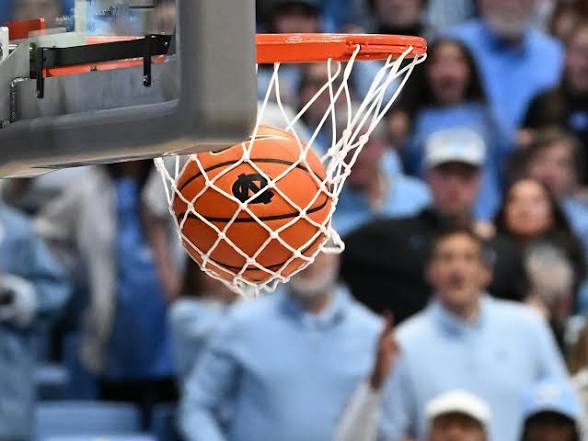
For the first time in seven decades, UNC basketball is primed to break away from the family tree and plant the seed for a new era in Chapel Hill.
Following the firing of Hubert Davis after five seasons with the Tar Heels, a national search is underway for the next leader of the program. With 125 wins under Davis, UNC was top-15 nationally, but not where the Tar Heels want to be as one of the sport’s blue-bloods. Carolina had a 19-24 record against top-25 teams and a 28-47 mark against Quadrant 1 opponents, an important metric as it relates to seeding in the NCAA Tournament.
UNC was a No. 1 seed once in five seasons under Davis, with an average seed of 6.5 in four March Madness appearances. The run ended with consecutive round-of-64 exits for the first time since tournament expansion in 1985. Moving forward, Arizona’s Tommy Lloyd, Michigan’s Dusty May, Iowa State’s T.J. Otzelberger and Chicago Bulls coach Billy Donovan appear to be at the top of the wish list.
As UNC closes in on hiring its next coach, here are five traits that coach must possess to get the Tar Heels back to the top.
UNC basketball embracing elite view, spotlight
The next coach will be a lot more expensive and will expect an all-in approach with a heavy investment into the program. UNC was behind in adjusting to the NIL and transfer portal era, resistant to becoming a transactional program and hiring a general manager.
The next coach has to be able to embrace the new model and elite approach necessary to compete at the top of the sport. He also has to welcome the spotlight that comes with sitting in the chair as the guy on campus. The Tar Heels need a leader ready to chart the elite course by commanding elite resources and making the most of them.
Establishing a clear identity on the court for Tar Heels
When he was hired, Hubert Davis said UNC’s foundation was strong and he didn’t want to change what works. Roy Williams built his best teams around a fast pace and relentless offensive rebounding, something that was easy to see when watching his squads. Davis often discussed the need to play fast and be elite on the boards, but his teams weren’t able to reach the marks that became the norm under Williams.
In five seasons under Davis, UNC was an average of 71st in adjusted tempo and 120th in offensive rebounding percentage, per KenPom. UNC’s average offensive efficiency was 28th and its average defensive efficiency was 35th under Davis. Those are good enough efficiency metrics, but it was hard to pinpoint what the Tar Heels were trying to accomplish on both ends of the court. The next coach will need to establish a clear, identifiable identity to maximize the success of the program.
Consistent roster construction for UNC
The Tar Heels struggled with roster construction, retention and player development under Davis. In the last two seasons, UNC traded a frontcourt problem for a backcourt problem, unable to find the right mix to compete among the best teams in the country. There were some elite finds in the transfer portal (Brady Manek, Harrison Ingram, Cormac Ryan, Henri Veesaar) and Davis snagged elite freshman Caleb Wilson, a projected top-five pick in the 2026 NBA Draft, this season. But the misses lowered the ceiling for the Tar Heels. On the player development side of things, former Tar Heels left Chapel Hill during the Davis era and often found success in other places. The next coach will have to find the right mix of recruits, transfer portal pickups, international prospects and returners to maximize the effectiveness of the roster. UNC wasn’t able to do that consistently under Davis.
Be the voice, messenger Tar Heels need
From embracing the ambassador role as a fundraiser to opting against opening statements in press conferences, Davis struggled to fully grasp being the voice of the program. The messaging was consistent, but it was often centered around familiar go-to phrases and lacked insight into what the Tar Heels were doing and why they were doing it. That doesn’t fly with a fan base that craves real answers and knows what good basketball is supposed to look like. A resistance to “playing the game” was evident and it was clear UNC had to move forward if it wanted to join the upper echelon. Whether the next coach likes the “game” or not, he’s going to have to play it to keep up in the “wild west” era of college sports.
Don’t forget UNC family, but get different views
There’s value in history, tradition and remembering what makes UNC special as one of the all-time great programs. The next coach doesn’t need to completely remove himself from the importance of family in Chapel Hill and how that family contributed to a legacy and culture that is sustainable. Folks familiar with the landscape at UNC need to be able to stick around and aid in the transition, but the brand needs to be backed with some new perspective on the coaching staff and an adaptable approach to handling the ever-shifting landscape. Change, in this case, is a good thing and necessary.




