


The expectations at the University of North Carolina Tar Heels have never been ordinary—they are historic, demanding, and deeply rooted in a legacy of excellence. This is a program that has produced legends like Michael Jordan, James Worthy, and Vince Carter. At Chapel Hill, winning is not a hope; it is an expectation. Competing for championships and landing the nation’s top recruits is the standard that defines Tar Heels basketball.
However, in recent years, that standard has slipped. The program has endured a series of disappointing performances, culminating in the departure of Hubert Davis after yet another underwhelming NCAA tournament exit. What once seemed like a new era of resurgence after the 2022 National Championship appearance has now turned into a period of uncertainty and frustration for one of college basketball’s most iconic programs.
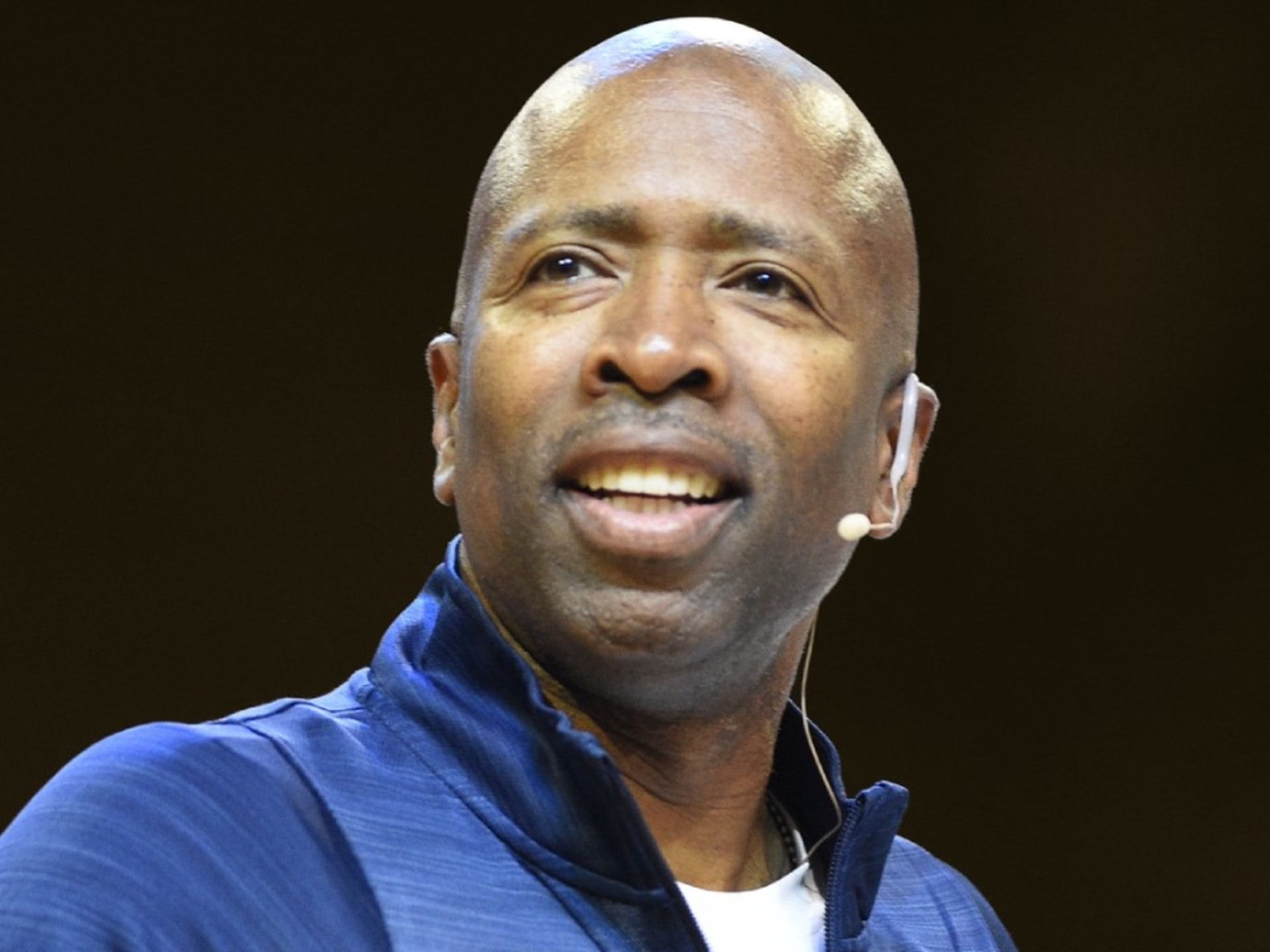
With UNC now searching for a new head coach, the spotlight has intensified on who can handle one of the most prestigious—and pressure-filled—jobs in sports. Enter Stephen A. Smith, who has never been one to shy away from bold takes. According to him, the solution is not complicated: bring back one of their own. Specifically, he believes Kenny Smith—better known as “The Jet”—is the perfect candidate to lead the Tar Heels back to prominence.
Smith’s argument is rooted in more than nostalgia. Kenny Smith is not just a former player; he is part of UNC’s rich basketball DNA. During his time in Chapel Hill, he played alongside Michael Jordan and helped elevate the program’s national profile. He later went on to win NBA championships and build a respected career as an analyst on Inside the NBA. Beyond his media presence, Smith has stayed deeply connected to grassroots basketball through his involvement in youth development and AAU programs, most notably The Jet Academy.
For Stephen A. Smith, this connection to the next generation of players is exactly what UNC needs in today’s evolving college basketball landscape. Recruiting has become more complex than ever, with NIL (Name, Image, and Likeness) deals and the transfer portal reshaping how programs build their rosters. In this environment, relationships, credibility, and influence matter more than ever—and Kenny Smith has all three in abundance.
Stephen A. didn’t mince words when explaining his stance. He emphasized that Kenny Smith’s basketball intelligence, combined with his charisma and deep ties to young talent, would make him an elite recruiter. According to him, if Smith were leading UNC, rival programs would no longer dominate the recruiting scene so easily.
That point becomes even more significant when considering the recent rise of the Duke Blue Devils. Duke has consistently secured top recruiting classes and translated that success onto the court, leaving UNC struggling to keep pace. For Tar Heels fans, watching their biggest rival thrive while their own program falters has been particularly difficult.
Stephen A. believes Kenny Smith could immediately change that dynamic. His presence alone, he argues, would shift the balance of power in recruiting battles. Imagine a coach with NBA championship experience, national recognition, and deep personal connections walking into a recruit’s home. That level of influence could restore UNC’s ability to attract elite talent year after year.
Beyond recruiting, there is also the emotional and cultural element. Hiring Kenny Smith would signal a return to identity—a reconnection with the program’s storied past. It would show a commitment to the values and traditions that made UNC a powerhouse in the first place. In an era where college sports often feel transactional, that sense of authenticity could resonate strongly with players, alumni, and fans alike.
Of course, the idea is not without its questions. Kenny Smith has no head coaching experience at the college level, and transitioning from broadcasting to leading a major program would be a significant leap. Coaching at UNC is not just about knowledge of the game; it requires leadership, adaptability, and the ability to navigate intense scrutiny.
Still, Stephen A. Smith remains confident. In his view, the upside far outweighs the risks. He envisions a scenario where Kenny Smith not only revitalizes the program but also reignites one of college basketball’s greatest rivalries. Instead of a one-sided narrative dominated by Duke, fans could once again witness a fierce, balanced battle between two elite programs.
Ultimately, the decision rests with UNC’s leadership, but the conversation itself reflects the urgency of the moment. The Tar Heels are at a crossroads, searching for a leader who can restore pride, competitiveness, and consistency. Whether or not Kenny Smith becomes that leader, one thing is clear: the expectations in Chapel Hill remain as high as ever.
And if Stephen A. Smith’s vision were to become reality, it wouldn’t just be a coaching hire—it would be a statement. A statement that UNC is ready to reclaim its place at the top of college basketball and usher in what many hope would be a true return to glory.




