


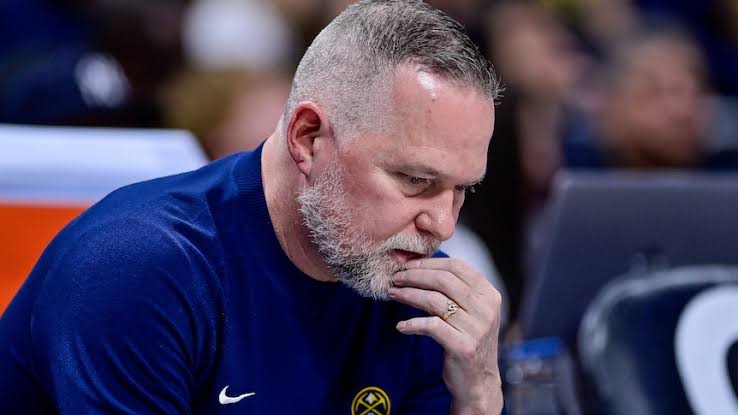
For the North Carolina Tar Heels, this isn’t just another coaching hire—it feels like a turning point, a bold shift in philosophy that signals something much bigger than a simple change on the sidelines. Bringing in Michael Malone, a coach whose reputation was built in the NBA rather than in college basketball’s traditional pipelines, is a move that has sent shockwaves through the sport.
And the reaction? A mix of intrigue, excitement, skepticism, and curiosity.
Because this isn’t how North Carolina usually operates.
This is different.
A Hire That Signals a New Era
For decades, North Carolina basketball has been defined by continuity, tradition, and a deep-rooted connection to the college game. From legendary coaches to iconic players, the program has long been a symbol of stability in a rapidly evolving sport.
But college basketball itself has changed.
The rise of the transfer portal, the explosion of NIL opportunities, and the increasing professionalization of the sport have reshaped the landscape. In many ways, the line between college and professional basketball has blurred.
And that’s exactly where Michael Malone fits in.
This hire isn’t just about bringing in a successful coach—it’s about aligning the program with the direction the sport is heading.
A Championship Pedigree
Let’s start with the most obvious reason this hire is so compelling: Michael Malone is a proven winner.
During his tenure with the Denver Nuggets, Malone didn’t just build a competitive team—he built a champion. In 2023, he led the Nuggets to their first NBA title, cementing his place among the elite coaches in the game.
That achievement alone changes everything about how this hire should be viewed.
This isn’t a coach trying to figure things out.
This is a coach who already has.
Malone became the winningest coach in Nuggets history, a testament to both his longevity and his ability to sustain success. His teams weren’t one-hit wonders—they were consistent contenders, year after year.
And that consistency is something North Carolina desperately wants to regain.
The Nikola Jokić Factor—And Beyond
Much of Malone’s success in Denver is often linked to Nikola Jokić, the generational talent who became the centerpiece of the Nuggets’ championship run.
But reducing Malone’s success to one player would be a mistake.
Yes, Jokić is special.
But it was Malone who built the system around him, who developed the supporting cast, and who created a culture that allowed the team to thrive. His ability to maximize talent—whether it’s a superstar or a role player—is one of his greatest strengths.
That’s exactly what North Carolina is betting on.
Because in today’s college game, where rosters can change dramatically from year to year, having a coach who can quickly build cohesion is invaluable.
What Kind of Coach Is Michael Malone?
For Tar Heels fans trying to picture what this will look like on the court, the answer is both simple and revealing.
Michael Malone is a coach who values:
1. Defense First
Malone’s teams are known for their defensive discipline. Effort, communication, and accountability are non-negotiable. Players who don’t commit on that end don’t stay on the floor.
For a North Carolina program that has had defensive inconsistencies in recent years, this could be a major shift.
2. Accountability Over Hype
In Malone’s system, minutes are earned—not given. Reputation doesn’t guarantee playing time. Effort, execution, and trust do.
That approach can be challenging, especially in a college environment where players often expect immediate opportunities. But it can also create a culture of competition and growth.
3. NBA-Level Development
Perhaps the most intriguing aspect of this hire is Malone’s ability to develop players with an NBA lens.
He understands what it takes to succeed at the next level.
He knows how to prepare players for it.
And for recruits with professional aspirations, that could be a major selling point.
4. Brutal Honesty
Malone is not a coach who sugarcoats things. He challenges his players, pushes them, and demands more.
That style isn’t always comfortable.
But it’s effective.
And for a program looking to reestablish its edge, it might be exactly what’s needed.
An Unconventional Path
Unlike many college coaches, Malone didn’t climb the traditional ladder.
He didn’t spend years as a college assistant, working his way up through the NCAA ranks. Instead, his journey took a different route.
After playing at Loyola Maryland, he began his coaching career at the high school and college levels before making the leap to the NBA in the early 2000s.
From there, he built his reputation behind the scenes, learning the game from some of the best minds in basketball before eventually earning his opportunity as a head coach.
His stint with the Sacramento Kings was brief but valuable, serving as a stepping stone to his long and successful run in Denver.
That journey matters.
Because it shows adaptability.
It shows growth.
And it shows a willingness to embrace challenges.
Why This Move Makes Sense Right Now
At first glance, hiring an NBA coach to lead a college program might seem risky.
But in today’s environment, it might actually be the smartest move.
College basketball is no longer just about recruiting high school talent and developing it over four years. It’s about managing a constantly changing roster, navigating NIL deals, and competing in a landscape that increasingly resembles professional sports.
Malone has been operating in that world for years.
He understands:
Player management
Team chemistry
High-pressure environments
The business side of the game
That experience could give North Carolina a significant advantage.
The Personal Side of the Story
There’s another layer to this hire that makes it even more intriguing: the personal connection.
Michael Malone grew up in a basketball family. His father, Brendan Malone, was an NBA coach and respected figure in the game. Coaching isn’t just a career for Malone—it’s part of his identity.
That foundation has shaped his approach, his values, and his understanding of what it takes to succeed.
And now, there’s an added connection to North Carolina itself.
His daughter, Bridget, is part of the university’s volleyball program. That link to campus life gives Malone an immediate sense of belonging—something that could help ease the transition from the NBA to college basketball.
It makes this feel less like a temporary move and more like a genuine investment.
The Questions That Still Remain
As exciting as this hire is, it’s not without its uncertainties.
There are real questions that will need to be answered:
Can He Recruit?
Recruiting is the lifeblood of college basketball. While Malone’s NBA experience may appeal to players, the day-to-day grind of recruiting is a different challenge entirely.
Can He Adjust to the College Game?
The schedule, the rules, the dynamics—college basketball is a different world. Adapting quickly will be crucial.
How Will He Build His Roster?
Will Malone lean heavily on the transfer portal? Will he target NBA-ready prospects? Or will he try to balance both?
These questions don’t have immediate answers.
But they add to the intrigue.
Why the Upside Is Worth the Risk
Despite the uncertainties, the potential upside of this hire is enormous.
Michael Malone brings:
Championship experience
Proven leadership
A clear system
A modern approach to the game
If it works, it could redefine what North Carolina basketball looks like in this new era.
It could make the program more adaptable, more competitive, and more aligned with the future of the sport.
A Defining Moment for UNC
For the North Carolina Tar Heels, this isn’t just about replacing a coach.
It’s about choosing a direction.
It’s about deciding how to compete in a rapidly changing landscape.
And it’s about taking a risk that could either pay off in a big way—or require a significant adjustment.
But one thing is certain:
This is not a safe hire.
This is a bold one.
Final Thoughts
For North Carolina fans, the arrival of Michael Malone may feel unfamiliar.
It may even feel uncomfortable.
But it also represents opportunity.
An opportunity to evolve.
An opportunity to innovate.
And an opportunity to redefine what success looks like in modern college basketball.
Because in a sport that is changing faster than ever, standing still is no longer an option.
And with this hire, North Carolina has made it clear:
They’re not standing still anymore.




