


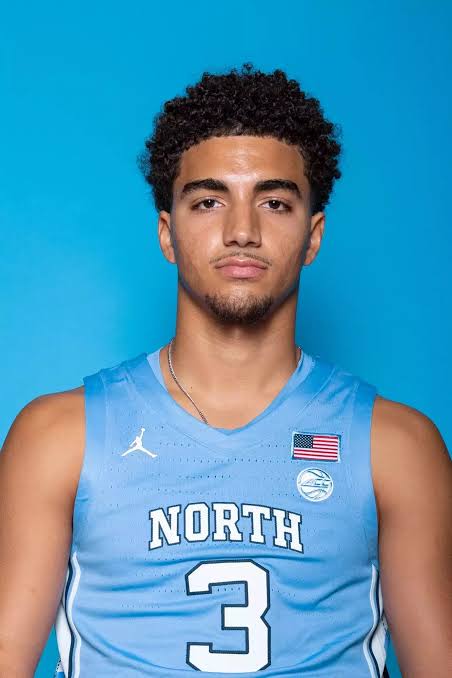
The North Carolina Tar Heels men’s basketball program is no stranger to national headlines—but what’s unfolding right now in Chapel Hill is something entirely different. What began as speculation about a bold coaching move has rapidly escalated into a full-blown roster shakeup, leaving fans stunned, players uncertain, and the future of one of college basketball’s most iconic programs hanging in the balance.
Reports linking UNC to Michael Malone—a seasoned NBA coach with championship pedigree but no college head coaching experience—have sent shockwaves through the program. And almost immediately, the ripple effects began to show.
Multiple players are now preparing to enter the transfer portal.
The timing? Not a coincidence.
A Program in Sudden Transition
Just weeks removed from the dismissal of Hubert Davis, North Carolina appeared to be entering a crucial period of evaluation and recalibration. The expectation was that the Tar Heels would pursue a traditional college coaching candidate—someone with deep recruiting ties, NCAA experience, and a proven track record within the college system.
Instead, the narrative has taken a dramatic turn.
The reported move toward Michael Malone represents a radical departure from tradition—a decision that signals UNC may be ready to redefine its identity in the modern era of college basketball.
But with bold moves come immediate consequences.
The Transfer Portal Domino Effect
As the transfer portal window opens on April 7, the Tar Heels are already bracing for significant departures. Among the names reportedly planning to leave are:
Derek Dixon
Jaydon Young
Isaiah Denis
Jonathan Powell
For a program already navigating a coaching transition, losing multiple players in such a short span is more than just a roster issue—it’s a structural challenge.
And the message is clear: uncertainty breeds movement.
Why Players Are Leaving
In today’s college basketball landscape, players are more empowered than ever. With the transfer portal and NIL opportunities reshaping the game, decisions are often driven by fit, stability, and long-term development.
The reported hiring of Malone introduces several unknowns:
How will his NBA-style system translate to the college level?
What will his approach to recruiting look like?
How will he manage player development in a one-and-done environment?
For current players, these questions are not theoretical—they are immediate and personal.
Faced with uncertainty, many are choosing to explore other options.
The Malone Factor: A Bold Gamble
Hiring Michael Malone would represent one of the most unconventional moves in recent college basketball history.
On paper, Malone brings elite credentials:
NBA championship experience
Years of coaching at the highest level
A reputation for discipline and defensive intensity
But college basketball is a different world.
Recruiting high school talent, navigating NIL deals, managing academic requirements, and adapting to the fast-paced transfer portal cycle all present challenges that even the most accomplished NBA coaches must learn quickly.
For UNC, this is a high-risk, high-reward gamble.
Immediate Impact: Roster Instability
The most visible consequence of this coaching shift is the instability within the roster.
Losing four players—especially during a critical offseason window—creates immediate gaps in depth, chemistry, and continuity. It also forces the incoming coaching staff to act quickly.
Rebuilding a roster in today’s environment is no small task. It requires:
Aggressive use of the transfer portal
Strategic recruiting
Strong NIL backing
Clear communication of vision and roles
Malone, if officially hired, would need to hit the ground running.
A Complete Reset?
In many ways, this moment feels less like a transition and more like a reset.
The departure of key players, combined with the introduction of a non-traditional head coach, suggests that UNC is not just tweaking its approach—it is fundamentally rethinking it.
This could mean:
A shift in playing style
A new recruiting philosophy
A different type of player profile
For a program steeped in tradition, such changes are both exciting and unsettling.
The Bigger Picture: A Changing Game
To understand UNC’s decision-making, one must consider the broader evolution of college basketball.
The sport is no longer defined solely by tradition and development. It is now shaped by:
NIL opportunities
The transfer portal
Increased player mobility
In this environment, programs must adapt or risk falling behind.
By reportedly targeting an NBA coach, UNC may be signaling its intent to embrace a more modern, professional approach—one that aligns with the realities of today’s game.
Pressure in Chapel Hill
Make no mistake: the pressure at North Carolina is immense.
This is a program built on excellence, defined by championships, and fueled by expectations. Every decision is scrutinized. Every move is magnified.
Hiring Michael Malone—and triggering a wave of player departures—raises the stakes even higher.
If it works, UNC could become a pioneer in blending NBA experience with college success.
If it fails, the consequences could be significant.
What Comes Next?
As the situation continues to unfold, several key questions remain:
Will Michael Malone officially be named head coach?
How many more players will enter the transfer portal?
Can UNC rebuild its roster in time for next season?
Will recruits buy into the new vision?
These questions will shape the next chapter of Tar Heels basketball.
Final Thoughts: Chaos or Opportunity?
At first glance, the current situation looks like chaos.
Players leaving. A controversial coaching hire. A program in flux.
But within that chaos lies opportunity.
For UNC, this is a chance to redefine itself—to embrace change, take risks, and potentially emerge stronger in a new era of college basketball.
For the departing players, it’s an opportunity to find systems and situations that better fit their goals.
And for fans, it’s a moment of uncertainty mixed with anticipation.
Because in college basketball, as in life, the biggest transformations often begin with the most unexpected decisions.
As the North Carolina Tar Heels men’s basketball navigate this pivotal moment, one thing is certain:
The headlines may focus on who’s leaving
But the real story is what comes next
And if the reports are true, the Tar Heels are about to enter one of the most fascinating—and unpredictable—chapters in their storied history.




