


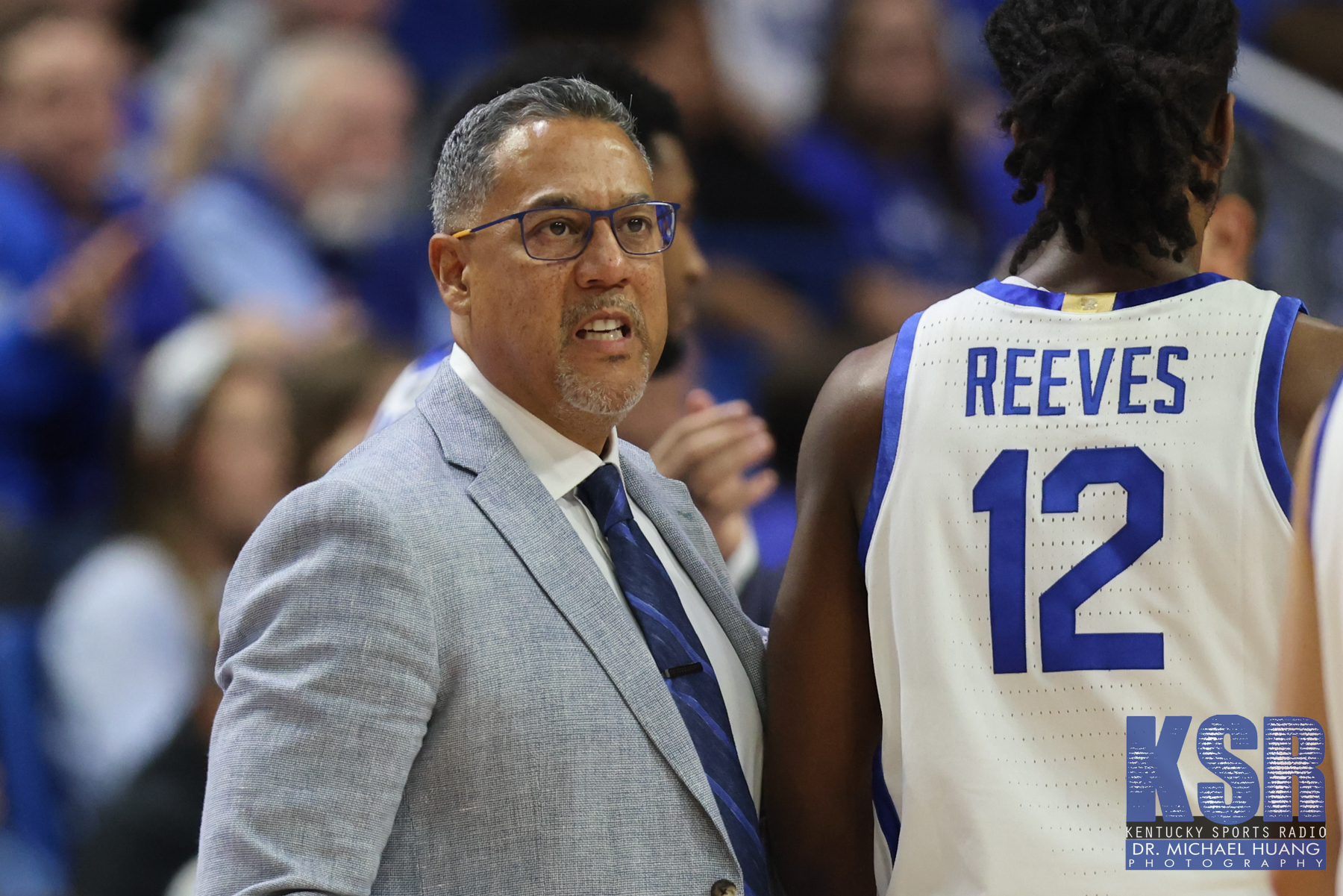
The path to success in college basketball is rarely linear, and for UNC associate head coach Chuck Martin, the journey has been defined by hard lessons, resilience, and a pivotal turning point that reshaped his career. What once looked like a promising ascent quickly turned into a period of adversity, forcing Martin to confront the realities of leadership, expectations, and personal growth.
After serving two seasons as an assistant coach at Memphis under John Calipari from 2006 to 2008, Martin appeared poised for bigger opportunities. His time at Memphis exposed him to high-level basketball, elite recruiting, and the inner workings of a nationally competitive program. That experience helped him land his first head coaching job at Marist University—a chance many aspiring coaches spend years chasing.
However, the transition from assistant to head coach proved more difficult than anticipated. At Marist, Martin faced immediate challenges, including roster limitations, recruiting hurdles, and the pressure of rebuilding a struggling program. Over five seasons, his teams compiled a 41-118 record, a mark that ultimately led to his dismissal. It was a humbling moment, one that forced Martin to reassess not just his coaching strategies, but his overall approach to leadership.
Being fired is often seen as a defining setback in coaching, but for Martin, it became a moment of reflection rather than defeat. Instead of stepping away from the game, he chose to learn from the experience. He began to recognize the gaps in his preparation—understanding that success as a head coach requires more than tactical knowledge. It demands adaptability, communication, and the ability to build a strong culture under pressure.
The true turning point in Martin’s journey came with a stop in Oklahoma City. While not as glamorous as his previous roles, this period became a critical phase of growth. Removed from the spotlight, Martin had the opportunity to reset, observe, and refine his coaching philosophy. He studied the game from a different perspective, focusing on player development, team chemistry, and the importance of trust within a program.
In Oklahoma City, Martin embraced the grind. He worked tirelessly behind the scenes, absorbing lessons from every opportunity and reconnecting with the fundamentals that first drew him to coaching. This experience allowed him to rebuild his confidence and gain a deeper understanding of what it takes to succeed at the highest levels.
More importantly, the stop in Oklahoma City reshaped Martin’s mindset. He began to view setbacks not as failures, but as necessary steps in the journey toward growth. That shift in perspective would become a defining characteristic of his coaching career moving forward.
When Martin eventually returned to the college basketball landscape, he did so with renewed purpose and a clearer vision. His experiences—both the highs at Memphis and the lows at Marist—combined with the lessons learned in Oklahoma City, made him a more complete coach. He was no longer just focused on winning games; he was committed to building programs, developing players, and fostering a culture of accountability and resilience.
His rise back into prominence ultimately led him to North Carolina, where he now serves as associate head coach. In this role, Martin brings a wealth of experience and a unique perspective that resonates with players and staff alike. He understands the pressures of the game, the importance of perseverance, and the value of learning from adversity.
At UNC, Martin’s influence extends beyond the court. He plays a key role in mentoring players, helping them navigate not just basketball, but life’s challenges. His journey serves as a powerful example that success is not defined by avoiding failure, but by how one responds to it.
Today, Martin’s story stands as a testament to resilience in the world of college basketball. What began as a promising career path filled with early opportunities took an unexpected turn, but through determination and self-reflection, he found his way back—stronger and more prepared than ever.
The stop in Oklahoma City may not have been part of the original plan, but it proved to be the catalyst that transformed Chuck Martin’s career. It reminded him that growth often comes from the most difficult moments and that the road to success is built on perseverance, humility, and the willingness to keep moving forward.
In the end, Martin’s journey is not just about basketball—it’s about resilience, reinvention, and the power of turning setbacks into stepping stones for future success.




