


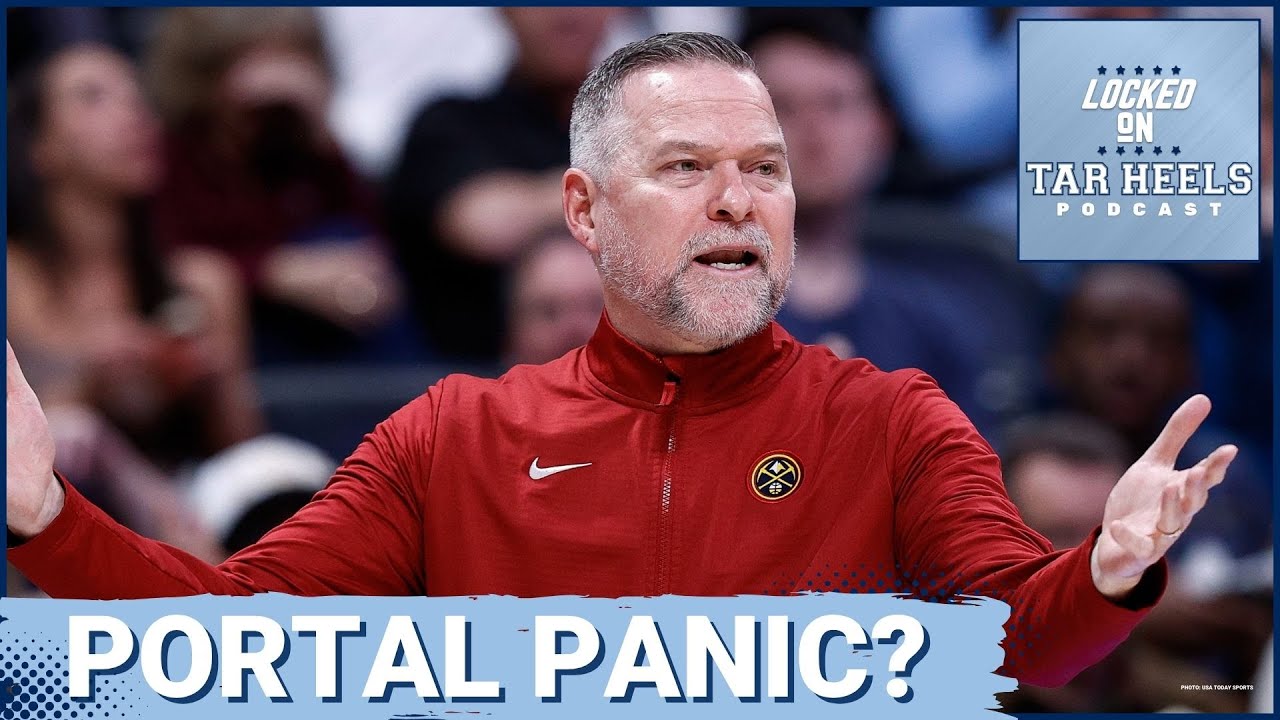
The offseason has become just as intense as the regular season in modern college basketball, and few programs are feeling that pressure more right now than North Carolina Tar Heels men’s basketball. With the transfer portal in full swing, fans are watching every move closely—and, in some cases, growing uneasy. So far, the Tar Heels have secured a commitment from international prospect Neoklis Avdalas, but beyond that, the silence has been noticeable.
That raises the obvious question: what’s the holdup?
According to analysts like Isaac Schade, the lack of additional commitments isn’t necessarily a sign of failure—it’s more a reflection of timing, strategy, and the evolving nature of the portal itself. In today’s landscape, recruiting isn’t just about identifying talent; it’s about navigating NIL opportunities, roster fit, and timing decisions with precision.
North Carolina isn’t casting a wide, desperate net. Instead, the staff appears to be selective, prioritizing impact players over quick additions. That approach can look slow from the outside, especially when other programs are stacking commitments early. But there’s a difference between being inactive and being intentional.
Still, perception matters—and right now, the perception among parts of the fanbase is edging toward concern.
The phrase “no news is good news” gets thrown around often in recruiting circles. Sometimes it’s true. Silence can mean negotiations are ongoing behind the scenes, visits are being scheduled, and decisions are simply pending. But it can also mean missed opportunities or losing ground to more aggressive programs. The reality for UNC likely falls somewhere in between.
One key factor is roster clarity. Players already on the roster may still be weighing their own decisions about staying, transferring, or declaring for professional opportunities. Until those dominoes fall, it’s difficult for the coaching staff to finalize their exact needs. Adding too many players too quickly could create imbalance, while waiting allows for more precise roster construction.
Another element is competition. UNC isn’t just competing on tradition anymore—it’s battling programs with massive NIL backing and immediate playing-time promises. Even a blue-blood program has to fight harder in this new era to secure top-tier transfers.
So, is it time to panic?
Not quite—but it’s fair to say the temperature is rising.
UNC’s needs are clear. The team could benefit from an experienced guard who can control tempo and provide consistent scoring, as well as frontcourt depth to handle physical ACC play. Shooting remains a premium skill, and adding perimeter threats would help open up the offense significantly. Defensive versatility is another priority, especially against the increasingly positionless style of modern college basketball.
The good news is that the portal is far from closed. Many high-level players are still weighing options, scheduling visits, and evaluating their best fit. UNC remains a highly attractive destination, with its history, exposure, and player development track record still carrying significant weight.
But timing does matter. The longer the Tar Heels go without adding pieces, the more pressure builds—not just externally, but internally as well. Momentum in recruiting can be contagious, and right now, UNC is searching for that spark.
Ultimately, this moment feels less like a crisis and more like a crossroads.
If the staff lands a couple of key targets in the coming weeks, the narrative will flip instantly—from concern to confidence. That’s how quickly things move in the transfer portal era. One or two commitments can reshape an entire outlook.
On the other hand, if the silence stretches too long and top targets commit elsewhere, the questions will grow louder—and more justified.
For now, the smartest perspective is cautious patience. UNC isn’t out of the race; they’re just running it differently. Whether that strategy pays off will define not only this offseason, but potentially the trajectory of the upcoming season as well.
In today’s college basketball world, building a roster is no longer a sprint—it’s a calculated marathon. And for North Carolina, the next few steps could make all the difference.




