


The offseason continues to bring intriguing twists for the North Carolina Tar Heels men’s basketball as the program reshapes its identity under new leadership. With the transfer portal deadline fast approaching, much of the focus has been on roster construction—but just as important is the development of a cohesive and effective coaching staff.
New head coach Michael Malone, widely respected for his success at the professional level, has wasted little time making his presence felt in Chapel Hill. Known for his defensive mindset, player development skills, and championship pedigree, Malone represents a fresh direction for a Tar Heels program eager to return to national prominence. His transition from the NBA to the college ranks has been closely watched, and early signs suggest a deliberate and calculated approach to building both the roster and the staff.
One of Malone’s early wins came via the transfer portal, securing a commitment from Neoklis Avdalas, a promising talent transferring from Virginia Tech. Avdalas brings versatility, size, and a high basketball IQ—qualities that align well with Malone’s system. As the portal window nears its close, UNC fans are optimistic that more additions could follow, further strengthening the foundation for the 2026–27 season.
While roster decisions remain a priority, assembling the right coaching staff is equally vital. Malone has already put together a strong core group that blends experience, familiarity with the program, and diverse basketball knowledge. Among the notable names is Sean May, a Tar Heel legend whose return to the sidelines adds credibility and continuity. May’s deep ties to the program and understanding of its culture make him an invaluable asset, particularly when it comes to recruiting and player mentorship.
Joining May are assistants Pat Sullivan, Eric Hoots, and Chuck Martin—each bringing their own strengths to the table. This group gives UNC a balanced staff with experience across different levels of basketball, from player development to scouting and game strategy. Together, they form a unit capable of supporting Malone’s vision while maintaining the traditions that define Carolina basketball.
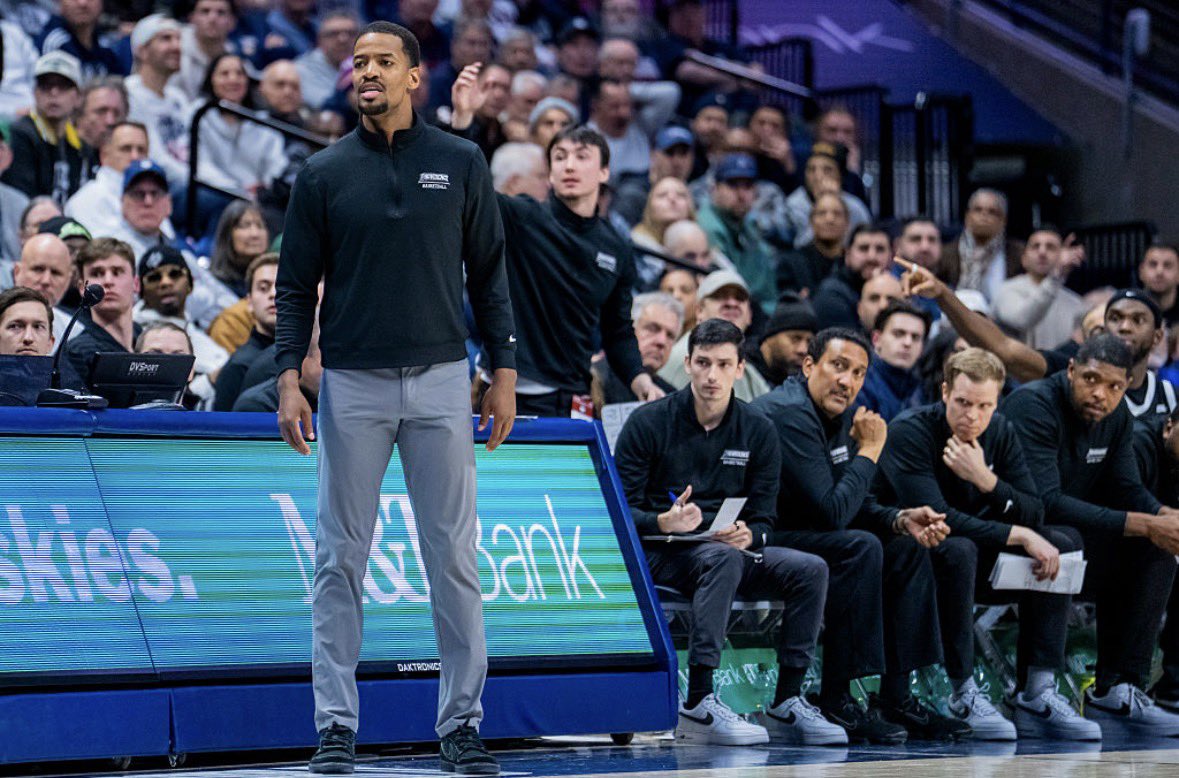
However, one anticipated addition will no longer be part of the equation. Kim English, who had been linked to a potential assistant role, has decided not to pursue the opportunity. English, a former head coach at Providence, has spent the past several years leading his own programs. Despite facing challenges—including limited postseason success—he remains a respected figure in coaching circles with aspirations of continuing as a head coach.
His decision to step away from consideration may reflect a broader career strategy. After multiple seasons at the helm, transitioning back to an assistant role is not always an easy move, particularly for someone still aiming to lead a program. For English, waiting for the right head coaching opportunity could be the priority, rather than taking a step back, even at a high-profile program like UNC.
From North Carolina’s perspective, the development is not necessarily a setback. While English would have added head coaching experience to the bench, Malone’s current staff already offers stability and direction. More importantly, it allows Malone to continue shaping the program according to his own philosophy without needing to integrate another former head coach into the mix—a dynamic that can sometimes complicate staff roles and decision-making.
There is also an argument to be made that continuity and alignment matter more than résumés. Malone appears focused on building a staff that shares his vision and can execute his system effectively. With several trusted assistants already in place, adding another voice is optional rather than essential. If UNC does choose to fill the remaining spot, it will likely be someone who complements the existing structure rather than reshaping it.
As the offseason progresses, all eyes remain on how Malone balances immediate competitiveness with long-term development. The combination of a strategic coaching staff and targeted roster additions suggests a program in transition—but one with clear intent. The Tar Heels are not just reacting to change; they are actively redefining themselves.
Ultimately, English’s decision underscores the complex nature of coaching careers and the different paths individuals choose. For UNC, it’s simply another step in an evolving offseason. With a respected head coach, a committed staff, and promising talent entering the fold, the foundation is being laid for what fans hope will be a resurgence on the national stage.
The coming months will provide greater clarity, but one thing is certain: under Malone’s leadership, North Carolina is moving forward with purpose—and that alone is enough to generate excitement in Chapel Hill.




