


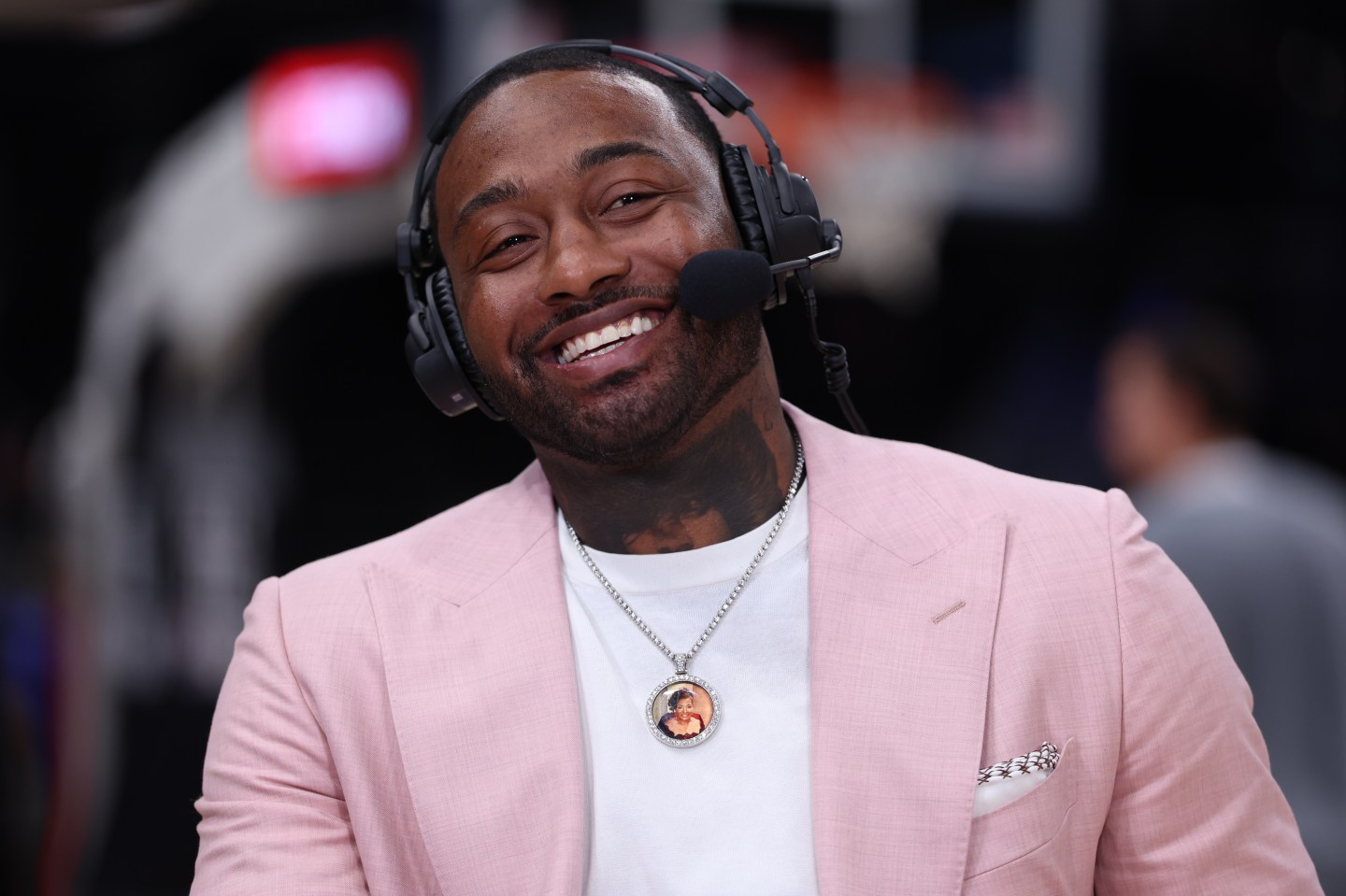
Former John Wall is stepping into a powerful new chapter of his basketball journey, trading the hardwood for the front office as he takes on the role of President of Basketball Operations at Howard University. The move marks a significant homecoming for Wall, bringing him back to Washington, D.C.—the city where he built the foundation of his NBA legacy.
The announcement, first reported by ESPN insider Shams Charania and later confirmed by Howard officials, signals a bold and strategic step for one of the premier HBCU basketball programs in the country. For Wall, it represents an opportunity to channel his elite playing experience, leadership qualities, and deep understanding of the modern game into shaping the next generation of talent.
Wall’s basketball résumé speaks for itself. A standout at University of Kentucky, he quickly rose to national prominence during his lone college season, showcasing explosive athleticism and elite playmaking ability. That success propelled him to become the No. 1 overall pick in the 2010 NBA Draft, where he was selected by the Washington Wizards. Over the next decade, Wall became one of the league’s most dynamic point guards, earning five All-Star selections and establishing himself as a cornerstone of the Wizards franchise.
Now, Wall’s focus shifts from individual performance to organizational excellence. In his new role at Howard, he is expected to play a central part in nearly every aspect of the basketball program. From roster construction and transfer portal strategy to recruiting, NIL (Name, Image, and Likeness) planning, and revenue-sharing initiatives, Wall’s responsibilities will mirror those of a modern general manager in today’s evolving college athletics landscape.
His involvement goes beyond administrative duties. According to school officials, Wall will also serve as a mentor to student-athletes, offering guidance both on and off the court. His firsthand experience navigating the pressures of high-level basketball—from college stardom to NBA success—positions him as a valuable resource for players aiming to reach the next level.
Interestingly, the seeds of this partnership were planted earlier this year. On January 31, Wall returned to Howard as an honorary captain for a game, reconnecting with the program and its community. During that visit, he reportedly expressed a strong interest in pursuing a leadership role within basketball operations, whether at the collegiate or professional level. That interest quickly evolved into a formal opportunity, culminating in this landmark appointment.
For Howard, bringing in a figure like Wall underscores a commitment to innovation and growth. As college basketball continues to evolve—particularly with the rise of NIL deals and increased player mobility—programs are seeking new ways to remain competitive. Hiring former stars with professional experience has become an increasingly popular strategy, blending on-court credibility with front-office insight.
This trend can be seen across the country. At Duke University, NBA standout Jayson Tatum has maintained close ties to the program, while Davidson College has leaned on the influence of Stephen Curry in an advisory capacity. These relationships not only strengthen recruiting efforts but also enhance player development by connecting current athletes with those who have successfully navigated the path to professional basketball.
Wall’s appointment also sparks curiosity among fans of his alma mater. With Mark Pope continuing to build his program at Kentucky, some had speculated that Wall might eventually return to Lexington in a similar leadership or advisory role. While that possibility has not materialized, his move to Howard highlights the growing demand for experienced basketball minds in administrative positions—and the impact they can have.
As Wall embarks on this new journey, expectations will be high. Howard’s basketball program has already established itself as a respected force within HBCU athletics, but Wall’s presence could elevate it to new heights. His name recognition alone brings increased visibility, while his strategic input has the potential to reshape the program’s long-term trajectory.
Ultimately, this move represents more than just a career transition for John Wall—it’s a full-circle moment. Returning to Washington, D.C., not as a player but as a leader and architect of a basketball program, he now has the chance to leave a different kind of legacy. One built not on points and assists, but on mentorship, vision, and the development of future stars.




