


The hiring of Michael Malone as the new head coach of North Carolina Tar Heels men’s basketball has sparked widespread reaction across the college basketball world, but perhaps no voices matter more than those of former players.
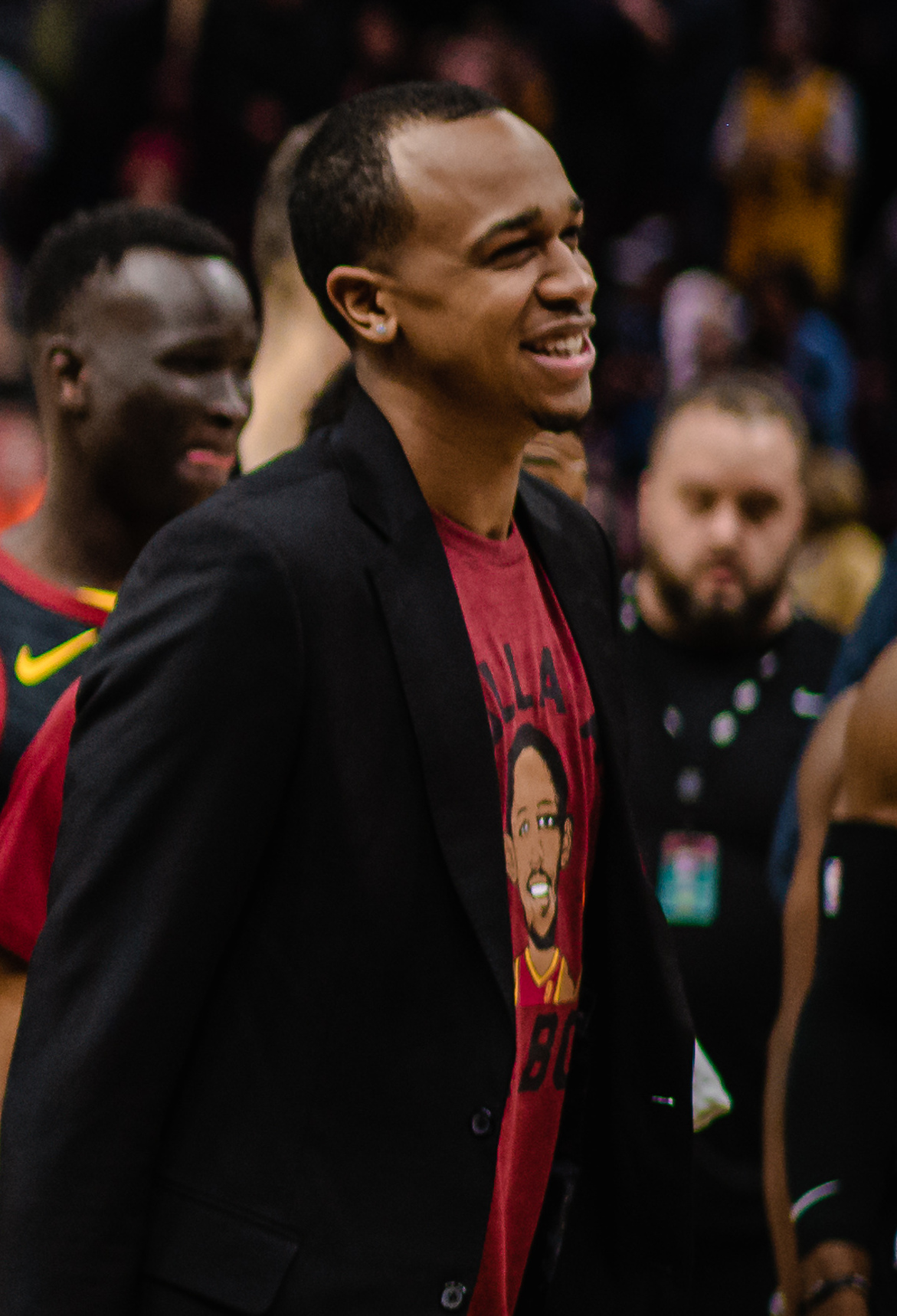
Among the most notable insights came from former Tar Heel standout John Henson, who offered a glimpse into how the program’s alumni network responded behind the scenes.
Henson revealed that in the immediate aftermath of the announcement, group chats filled with former UNC players were “buzzing.” The comment paints a vivid picture of just how quickly and intensely the news traveled among those who once wore Carolina blue. It wasn’t just a passing headline—it was a moment that demanded discussion.
For a program as tradition-rich as UNC, any coaching change is bound to generate conversation. But this hire felt different. Malone, an NBA champion coach with no direct ties to the UNC family tree, represents a sharp departure from the program’s long-standing preference for internal hires. That alone made the move a hot topic among alumni.
According to Henson, the tone in those group chats wasn’t purely skeptical or celebratory—it was a mix of curiosity, surprise, and intrigue. Former players were trying to process what Malone’s arrival could mean for the identity of the program they once helped build. That uncertainty fueled the “buzzing” he described.
The discussions reportedly centered on Malone’s résumé, which includes years of NBA experience and a reputation for player development. Many former Tar Heels recognized the potential upside of bringing in a coach who has succeeded at the highest level of basketball. That perspective added a layer of cautious optimism to the conversation.
At the same time, there were natural questions. The college game has evolved rapidly, with NIL deals, the transfer portal, and recruiting battles becoming more complex than ever. For someone like Malone, who has spent years in the NBA, adapting to that environment will be a significant test. Former players didn’t ignore that reality.
Henson’s comments highlight how invested UNC alumni remain in the program. Even years after their playing days, they continue to follow developments closely and engage in real-time discussions when major decisions are made. The “buzzing” group chats are evidence of a brotherhood that remains deeply connected.
The reaction also underscores the weight of expectations at UNC. This is not just any coaching job—it’s one of the most prestigious roles in college basketball. Every decision is scrutinized, and every hire is measured against the program’s storied history. Malone steps into that spotlight immediately.
Interestingly, the level of engagement among former players suggests that Malone will not be navigating this transition alone. The UNC alumni network is known for its influence and support, and early discussions indicate that many are willing to give him a chance. That backing could prove valuable as he establishes himself.
Henson’s revelation also speaks to the modern nature of communication. In previous eras, reactions like these might have been confined to private conversations or delayed interviews. Today, group chats allow for instant, unfiltered responses, providing a more authentic look at how players truly feel.
While some alumni were initially surprised by the hire, the tone appears to be shifting toward cautious excitement. Malone’s track record commands respect, and that respect is beginning to shape opinions within the UNC community. The “buzz” is evolving into a more thoughtful evaluation.
There is also an understanding among former players that change can be necessary. College basketball is in a new era, and programs must adapt to remain competitive. Hiring someone with Malone’s background could be seen as a forward-thinking move rather than a break from tradition.
Still, the conversations are far from over. As Malone begins assembling his roster and implementing his system, those same group chats will likely remain active. Every move he makes will be analyzed, debated, and discussed by those who care deeply about the program’s success.
Henson’s brief but revealing comment has opened a window into that ongoing dialogue. It shows that the hire is not just a headline—it’s a developing story that continues to unfold within the UNC family. The reactions are dynamic, reflecting both the challenges and opportunities ahead.
Ultimately, the “buzzing” group chats capture the essence of this moment for UNC basketball. It’s a blend of tradition meeting change, of past players evaluating a new future.
And as Michael Malone begins his tenure, those conversations will remain a constant backdrop, shaping the narrative around his time in Chapel Hill.




