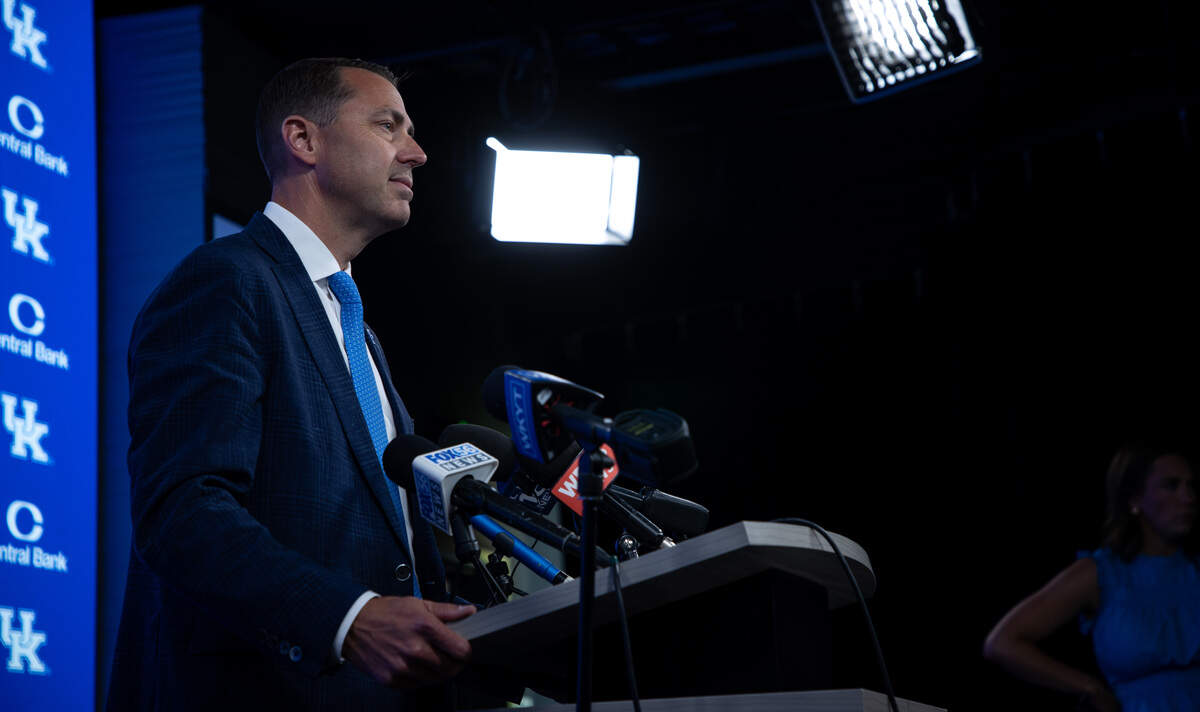
The University of Kentucky is entering an exciting new chapter as incoming Athletics Director J Batt prepares to take over leadership of one of the nation’s most respected athletic programs. While many fans are eager to see immediate changes and bold initiatives, Batt is approaching the transition with a simple but powerful strategy: listen, learn, and build.
Set to officially succeed longtime Athletics Director Mitch Barnhart in July, Batt understands the significance of the role and the expectations that come with it. Rather than rushing into major decisions, he plans to spend his early days learning from coaches, staff, student-athletes, and supporters across the Kentucky community.
“The most important thing to do in a transition like this is to listen,” Batt explained. “I’ll ask a lot of questions, I’ll listen, and we’ll evaluate.”
His thoughtful approach has already impressed many within Big Blue Nation, but his vision for Kentucky athletics extends far beyond simply maintaining the status quo.
One of the most important topics Batt addressed was the long-running debate surrounding Kentucky’s identity as a basketball school versus the growing importance of football. Kentucky men’s basketball remains one of the most iconic programs in college sports, boasting a rich championship tradition and a passionate fan base.
Batt fully acknowledges basketball’s historic role in establishing Kentucky’s national reputation.
“There is no denying that Kentucky basketball has set the championship standard,” Batt said. “Its history, success, and tradition have created an incredible foundation.”
However, he also emphasized that football has become increasingly critical in today’s college athletics landscape. With conference realignment, television contracts, and revenue opportunities largely driven by football, success on the gridiron is essential to supporting the entire athletic department.
Batt’s comments signal strong support for Kentucky football and new head coach Will Stein. His commitment mirrors the growing belief across college sports that football success is vital to maintaining competitiveness in all athletic programs.
For Kentucky fans, this means the future will involve a balanced approach—continuing basketball excellence while investing heavily in football’s growth and long-term success.
Another major issue Batt discussed is the evolving role of general managers in college athletics. As NIL opportunities, revenue sharing, and player negotiations become increasingly comple