


The NCAA has approved major changes to its eligibility rules, creating a simpler system that will allow Division I athletes to compete for five seasons within a five-year window. The new model replaces several longstanding regulations and is expected to reshape college athletics, including Kentucky basketball.
The changes were approved this week by the NCAA Division I Cabinet and will officially take effect beginning with the 2027-28 academic year. However, current players and incoming freshmen will also benefit from the updated guidelines.
Under the new system, athletes who enroll in college no later than the academic year after their 19th birthday will receive five seasons of eligibility to use within a five-year period.
NCAA President Charlie Baker said the goal is to make eligibility rules easier to understand and administer in today’s rapidly changing college sports landscape.
The move comes largely in response to the NIL era, which has generated numerous legal challenges from athletes seeking additional years of eligibility or opportunities to compete after professional experience.
College basketball has seen several cases in recent years involving players attempting to return to school after beginning professional careers, creating confusion and legal disputes over eligibility.
To address those issues, the NCAA’s new model essentially establishes a “five seasons in five years” framework that is designed to eliminate many of the gray areas that existed under the previous rules.
One of the biggest changes is the elimination of traditional redshirt seasons. Athletes will no longer be able to sit out a year and preserve eligibility for a future season.
Medical redshirts and many other exceptions that previously extended eligibility will also disappear under the new structure.
The NCAA will only allow limited exceptions moving forward, including official religious missions, active-duty military service, and pregnancy-related circumstances.
For Kentucky, the new rules could significantly benefit several current players. Transfer forward Trent Noah and guard Kam Williams, who will enter the 2026-27 season as juniors, are expected to have three remaining years of eligibility under the revised model.
Freshmen Mason Williams and Zyon Hawthorne will begin their college careers with the full five years to play five seasons available to them.
The new guidelines are also expected to help players like Potter, who spent two seasons at Miami (Ohio) before transferring to Kentucky. Under the new rules, he would have two additional seasons of eligibility remaining.
International prospects represent another important area affected by the changes. Kentucky newcomer Ousmane N’Diaye, a highly regarded forward from Senegal, previously faced uncertainty because of his extensive professional experience in Europe.
Under the NCAA’s former system, N’Diaye likely would have been classified as a junior because he played three seasons at the senior professional level overseas. Under the new age-based model, his eligibility will likely be determined by when he turned 19 rather than by the number of professional seasons he played.
Since N’Diaye turned 19 in March 2023, his NCAA eligibility clock would begin with the 2023-24 academic year. With three seasons already elapsed, the expectation is that he will have two years remaining to play at Kentucky, though the university has not yet officially announced his eligibility status.
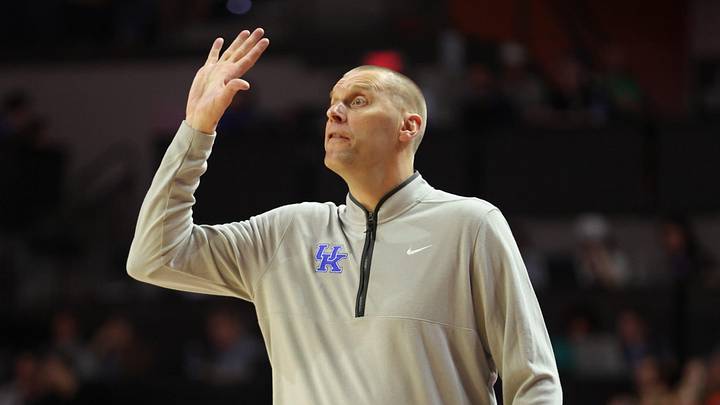
Overall, the NCAA believes the new rules will reduce confusion, limit litigation, and create a more straightforward path for athletes. For Kentucky coach Mark Pope and the Wildcats, the changes could provide greater roster stability while offering players a clearer understanding of their collegiate futures.




