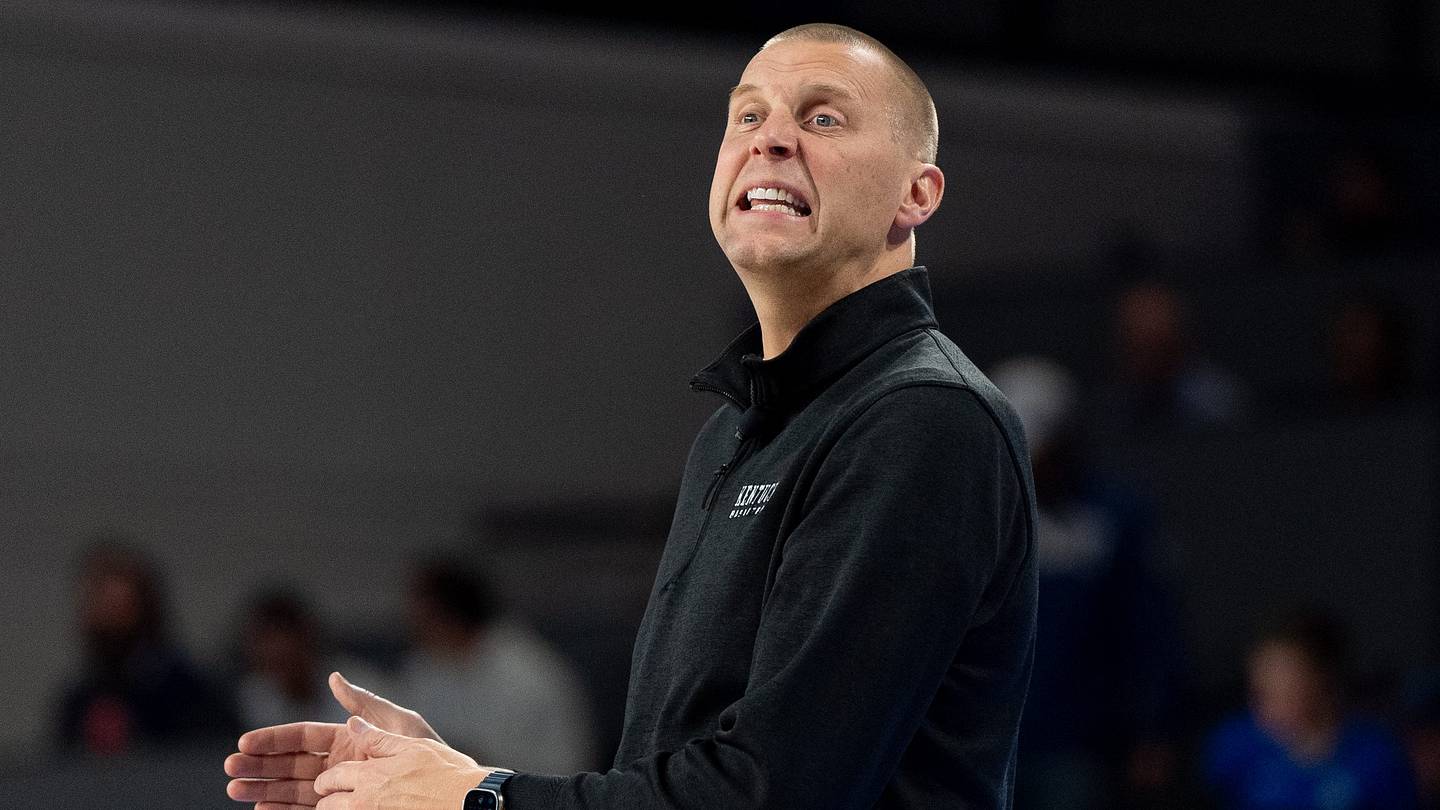
When expectations are as high as they are at Kentucky, every offseason carries enormous significance. After an up-and-down first full campaign under head coach Mark Pope, the Wildcats have entered the summer with one clear objective: build a stronger, more connected team capable of competing for championships.
While injuries and roster challenges affected Kentucky throughout last season, Pope has made it clear that simply adding talent isn’t enough. This offseason, his focus has shifted toward creating a culture where chemistry, trust, and accountability become the foundation of success.
Rather than relying solely on practices and workouts, Pope has invested heavily in strengthening the relationships within his roster. His belief is simple: teams that genuinely enjoy playing together often perform better when the pressure is at its highest.
One of the most notable decisions Pope made was having every scholarship player live together in the Wildcats’ team lodge. In today’s era of college basketball, where many athletes choose private apartments or off-campus housing, this approach stands out.
By bringing the entire roster under one roof, Pope is encouraging daily interaction that extends far beyond basketball. Whether players are eating meals together, watching games, studying film, or simply spending time together after practice, those shared experiences naturally build trust and friendships.
Instead of teammates only seeing one another during scheduled workouts, they now spend much of their day together. That constant interaction helps new players settle in faster while creating stronger relationships among veterans and newcomers alike.
Early feedback from players has been overwhelmingly positive. During offseason media sessions, several Wildcats have spoken about how quickly the team has grown close. Players have praised the atmosphere inside the program, noting that everyone has embraced the opportunity to build genuine connections before the season even begins.
That chemistry may not always appear on a stat sheet, but it often becomes evident when games are decided in the final minutes.
Championship teams are rarely built on talent alone. Communication, trust, and confidence in one another often separate great teams from merely talented ones. When adversity strikes during a game, players who share strong relationships tend to stay composed, support each other, and execute under pressure.
Pope appears determined to make sure Kentucky develops those qualities long before the opening tip of the regular season.
Another major example of that commitment came with Kentucky’s recent trip to Las Vegas.
Originally, the Wildcats had hoped to travel for competitive exhibition games during the summer. When those plans fell through, Pope adjusted quickly and created another opportunity that would benefit the program.
Instead of canceling the trip altogether, Kentucky traveled to Las Vegas for a week centered around basketball, development, and team bonding.
The Wildcats attended NBA Summer League games to support former Kentucky standout Otega Oweh as he continued his professional journey. Watching one of their own compete on the NBA stage gave current players valuable motivation while reinforcing the program’s tradition of developing talent for the next level.
The trip also allowed the team to watch elite 2027 recruit Ryan Hampton, one of Kentucky’s highest-profile future commitments. Seeing a future Wildcat compete against top national competition provided excitement for both the coaching staff and current players while strengthening the connection between the present and future of the program.
Beyond basketball, the team enjoyed entertainment, group activities, and time together away from the practice court. Those shared experiences are often just as valuable as workouts because they help players learn about one another in different settings.
Of course, the trip wasn’t simply a vacation.
Kentucky continued practicing throughout its stay in Las Vegas, maintaining a balance between hard work and relationship-building. Pope understands that elite teams require both preparation and chemistry, and the Wildcats used the trip to improve in every area possible.
The combination of structured practices, film sessions, team activities, and Summer League exposure created an environment where players could continue developing individually while becoming more connected as a group.
As college basketball continues to evolve through the transfer portal and roster turnover, building chemistry has become increasingly difficult. Many programs enter each season with several new faces, leaving coaches only a few months to create a cohesive unit.
Pope’s approach addresses that challenge directly.
By emphasizing togetherness from the beginning of the offseason, Kentucky hopes to avoid the growing pains that often affect teams with newly assembled rosters. Every conversation, practice, meal, and team activity contributes toward establishing the culture Pope wants inside the program.
That investment could pay enormous dividends once SEC play begins.
Close games often come down to communication, defensive rotations, timely rebounds, and players trusting each other in critical moments. Teams with strong chemistry frequently execute better when possessions matter most.
Kentucky fans understand how demanding expectations are in Lexington. Winning consistently requires far more than elite recruiting rankings or individual star power. It demands leadership, sacrifice, and complete buy-in from every player on the roster.
Mark Pope appears determined to build exactly that.
While no offseason program can guarantee victories, Kentucky’s emphasis on chemistry, accountability, and shared experiences gives the Wildcats a strong foundation heading into the new campaign. If the relationships being built this summer translate onto the court, the Wildcats could become a far more connected, resilient, and dangerous team.
For Pope, this offseason isn’t simply about preparing for another season—it’s about building the culture that can help return Kentucky basketball to championship contention.