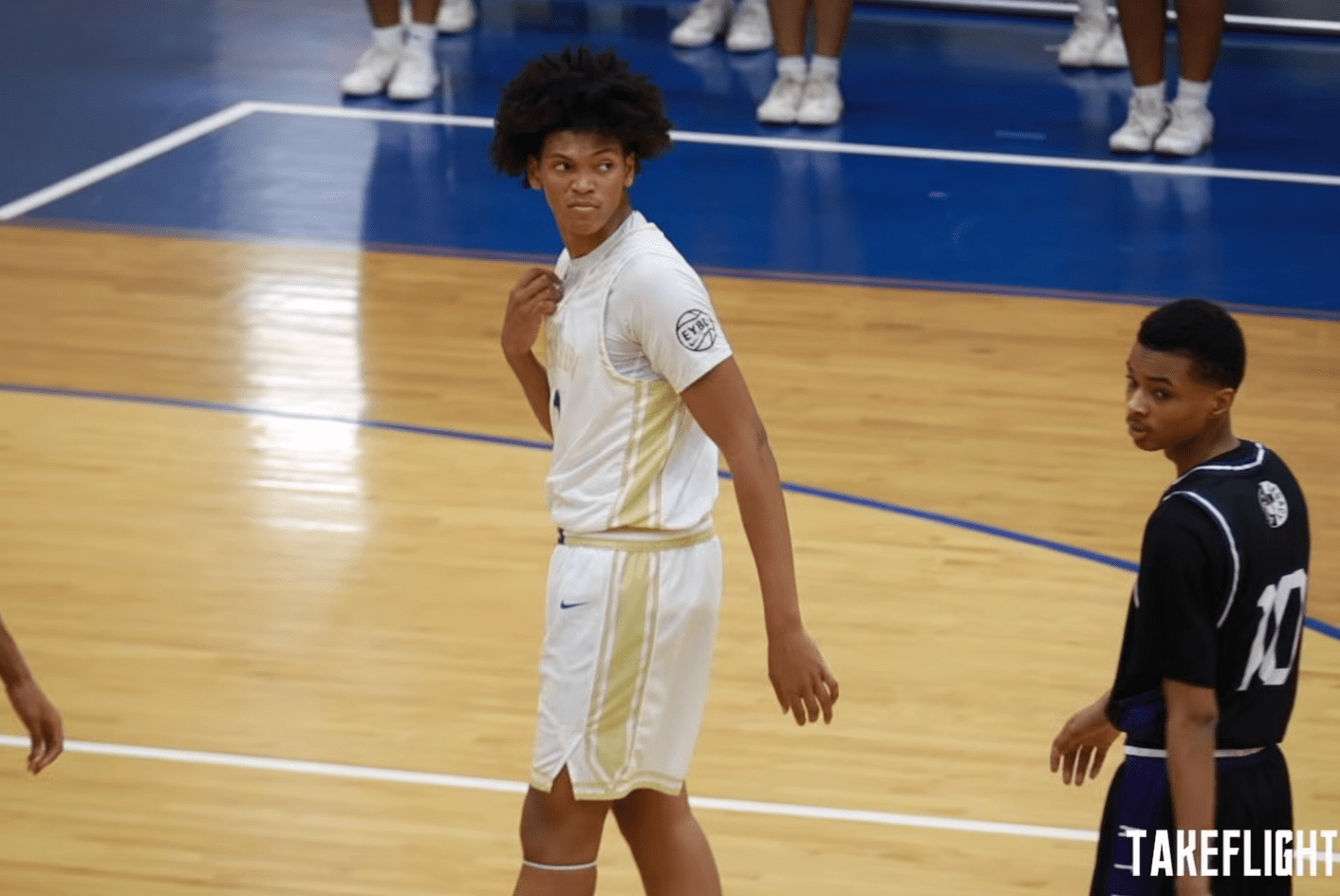
Kentucky basketball has missed out on another highly regarded prospect in the 2027 recruiting class, as top-30 combo guard Chase Lumpkin has announced his commitment to Alabama.
Lumpkin revealed his decision Wednesday afternoon, choosing Nate Oats and the Crimson Tide just 12 days after announcing his final six schools. Kentucky had remained firmly in the picture, but Alabama ultimately won the race for one of the most sought-after guards in the class.
The final six schools in Lumpkin’s recruitment were Kentucky, Alabama, Michigan, Arkansas, USC and Louisville. After carefully considering his options, the 6-foot-5 guard from McEachern High School in Georgia decided that Tuscaloosa was the best place for the next step in his basketball career.
For Alabama, the commitment represents another significant recruiting win for Oats. The Crimson Tide have developed a reputation for playing an aggressive, fast-paced style built around perimeter shooting and offensive freedom, making Lumpkin’s skill set particularly intriguing.
Lumpkin is regarded as a talented volume shooter who can operate both on and off the ball. At 6-foot-5, he has the size to create matchup problems in the backcourt while also possessing the confidence to take—and make—difficult perimeter shots. His offensive mentality should make him an especially intriguing piece in Oats’ system.
The fit between player and program is one of the biggest reasons Alabama was able to emerge from a competitive group of finalists.
For Kentucky, however, Lumpkin’s decision is another reminder of how challenging the 2027 recruiting cycle could become. The Wildcats had pursued the Georgia standout and made sure to keep themselves in contention, but Mark Pope and his staff have seemingly prioritized several other guards in the class.
Kentucky has been particularly active in evaluating and pursuing guards such as Cayden Daughtry, Reese Alston and other high-level prospects. While Lumpkin was certainly a player the Wildcats valued, he was not necessarily the only—or even the primary—guard target on their board.
That distinction could be important moving forward.
Pope and his staff have taken an aggressive approach to recruiting since arriving in Lexington, casting a wide net across the country and making sure Kentucky remains involved with a large number of elite prospects. The strategy has allowed the Wildcats to remain competitive for some of the best talent available, even when individual recruitments do not ultimately end in commitments.
Lumpkin’s decision will therefore not change Kentucky’s overall approach.
Instead, the Wildcats can now turn their attention toward the guards who remain available.
The 2027 class still features plenty of talent, and Kentucky has time to strengthen its position with the prospects it believes fit its roster and system best. Pope will likely continue evaluating the class while identifying which guards could become realistic long-term targets for the program.
There is also a larger strategic element to Kentucky’s recruitment of guards. With college basketball becoming increasingly dependent on perimeter creation, shooting and versatility, finding players capable of making an immediate impact in those areas remains a major priority.
Lumpkin checked several of those boxes, but Kentucky clearly has other options.
The Wildcats’ pursuit of Daughtry, Alston and other guards suggests that the staff already had contingency plans in place. Losing a target is never ideal, particularly when that player is ranked among the nation’s best, but Kentucky’s recruiting operation has been built around maintaining multiple options at every position.
That approach could prove valuable over the next several months.
Alabama, meanwhile, can celebrate adding another major piece to its future roster. Lumpkin gives Oats another talented perimeter prospect to build around and further strengthens the Crimson Tide’s recruiting momentum.
For Kentucky fans, the message is simple: the pursuit continues.
Lumpkin is now off the board, but the 2027 recruiting cycle is far from over. Pope and his staff will have opportunities to make up the ground elsewhere, and their attention will now shift toward the remaining elite guards who could potentially become future Wildcats.
Kentucky may have lost one fish from the recruiting pond, but the Wildcats are still casting a wide net.