


College basketball has undergone a dramatic transformation in recent years, particularly with the arrival of name, image and likeness (NIL) opportunities that allow athletes to earn significant compensation. Today, some of the nation’s top recruits and transfer players can command multimillion-dollar deals, making the financial side of college sports far more visible than it was in previous generations.
But according to former Duke basketball star Jay Williams, the idea of college athletes receiving financial benefits did not begin with NIL.
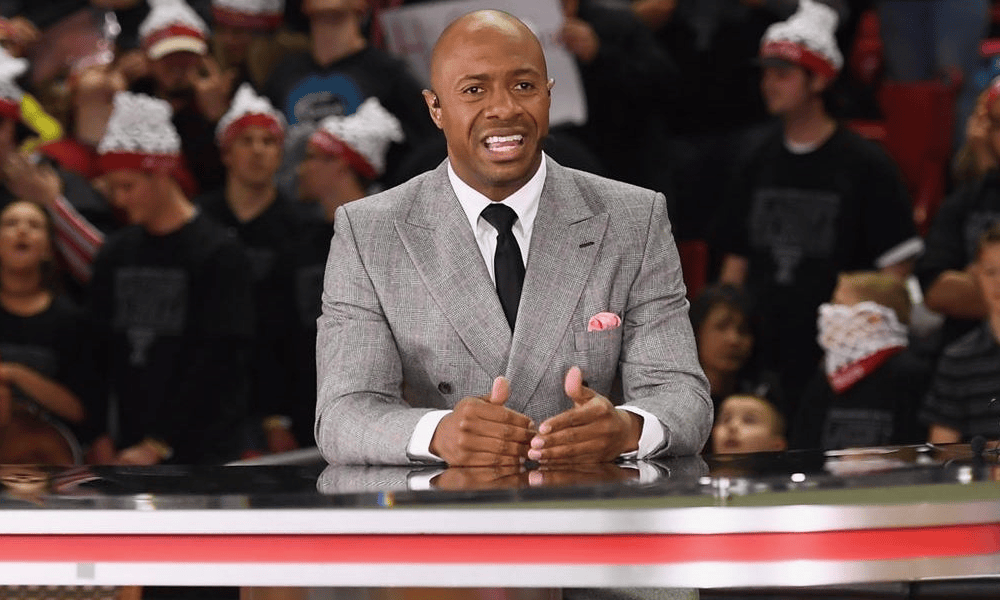
Williams recently made headlines after discussing the subject during a panel at Front Office Sports’ Asset Class event, where he appeared alongside former NFL defensive lineman Ndamukong Suh. The conversation focused on the evolution of college sports and the changing relationship between athletes, universities and compensation.
During the discussion, the interviewer suggested that NIL was, in some sense, a concept that existed before the modern system became official.
Williams responded with a reference to “black duffel bags,” suggesting that money had circulated behind the scenes during the era when athletes were prohibited from receiving compensation connected to their athletic abilities.
“There’s some black duffel bags,” Williams said, before adding that everyone had participated and jokingly suggesting that Suh would deny doing so.
Suh immediately rejected the suggestion.
“Whoa, whoa, I never participated,” Suh said. “I don’t know what y’all did at Duke, but don’t bring that over here to Nebraska.”
The exchange was brief, but Williams’ comments quickly generated discussion among college basketball fans and across social media. His remarks have once again brought attention to one of the most complicated questions in the history of college athletics: how widespread were unofficial payments and benefits before NIL became legal?
For decades, NCAA rules prohibited athletes from receiving many forms of compensation connected to their athletic participation. At the same time, there have long been allegations and reports involving impermissible benefits, recruiting inducements and other forms of financial assistance.
The modern NIL era has fundamentally changed that landscape.
College athletes can now enter endorsement agreements and benefit financially from their name, image and likeness. As a result, major programs are competing in an environment where financial opportunities can become an important part of recruiting and roster construction.
That shift has also created an unusual contrast with the past.
Players who competed before NIL were expected to follow rules that prevented them from earning money in ways that are now broadly permitted. Some former athletes have subsequently discussed the financial realities of their playing days, while others have denied participating in impermissible arrangements.
Williams’ comments do not, by themselves, establish that Duke basketball or any particular individual violated NCAA rules. However, they have contributed to a broader conversation about whether the enforcement history of college athletics should be viewed differently now that compensation has become an accepted part of the system.
The issue is especially interesting when considering the changing treatment of past cases.
Former USC football star Reggie Bush provides one prominent example. Bush’s Heisman Trophy was reinstated in 2024 after being forfeited in connection with NCAA violations involving improper benefits during his college career. The decision came amid sweeping changes to college athletics, including the emergence of NIL.
That development illustrates just how dramatically the rules have changed.
The debate, therefore, extends beyond whether athletes received money in the past. It also raises questions about consistency, fairness and how historical violations should be treated when the underlying rules have since changed.
Should programs and athletes from previous eras continue to face consequences for conduct that would be permissible today? Or should the NCAA and college sports institutions recognize that the old system operated under rules that no longer reflect the modern realities of collegiate athletics?
Williams’ “black duffel bags” remark has added another layer to that ongoing discussion.
For Duke fans, the comments are particularly noteworthy because Williams remains one of the most recognizable former Blue Devils of his generation. His playing career in Durham helped establish him as a prominent figure in college basketball, and his willingness to speak openly about the old system has naturally attracted attention.
Ultimately, the college sports landscape has changed dramatically. NIL has made athlete compensation more transparent, while the transfer portal and revenue-sharing developments have continued to reshape roster building and recruiting.
The “black duffel bags” era may belong to college sports’ past, but Williams’ comments show that questions surrounding how athletes were compensated before NIL are unlikely to disappear anytime soon.




