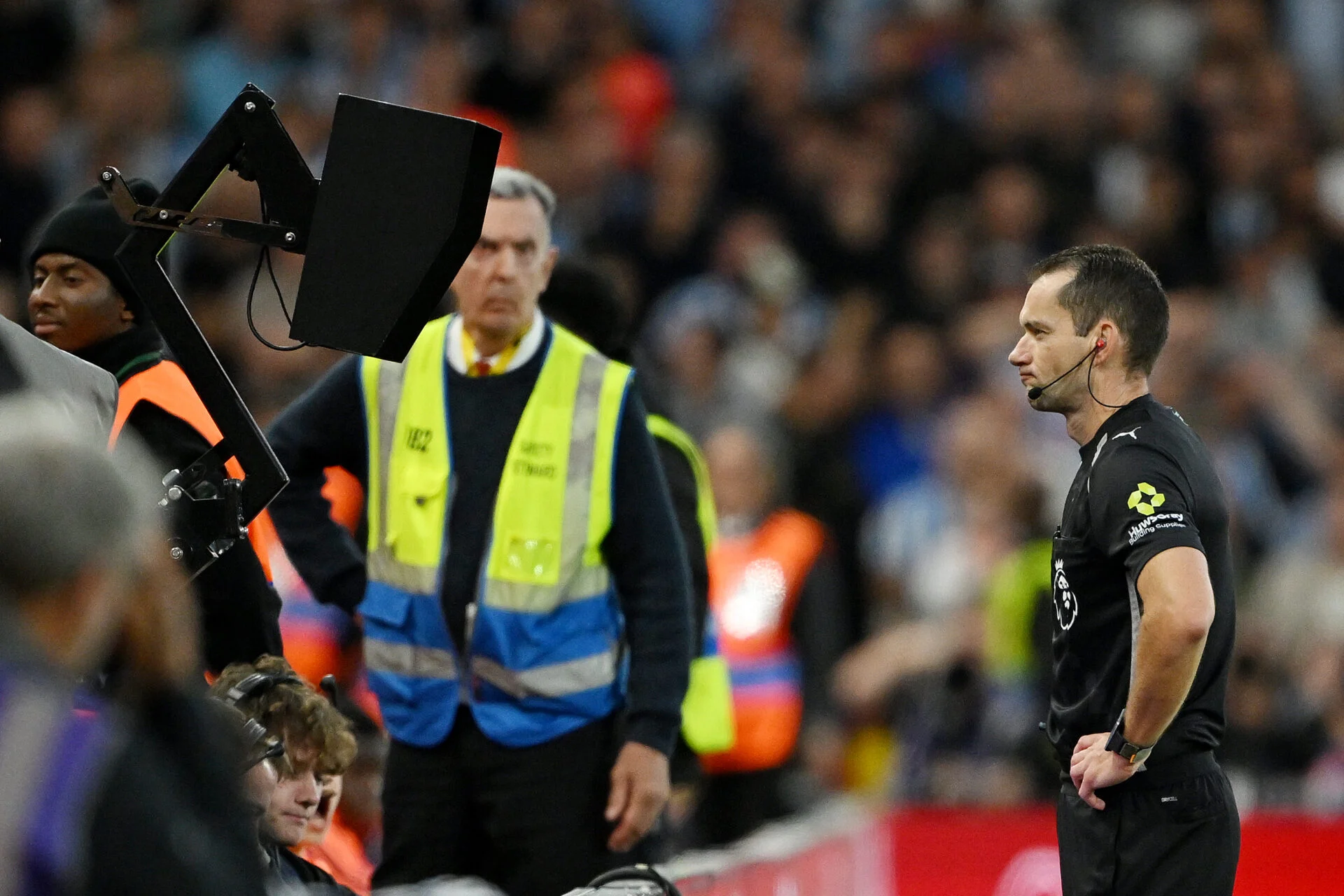
Nottingham Forest’s frustrating start to the season has been accompanied by another familiar talking point: VAR.
Forest suffered a 1-0 defeat to Coventry City on Saturday, but the result was overshadowed by another controversial decision involving the video assistant referee. Igor Jesus saw a goal ruled out following a VAR review, leaving Forest once again questioning how the technology is being used.
It was the second consecutive home match in which Forest have had a goal disallowed after a VAR intervention. For supporters, that has inevitably raised further questions about whether the technology is improving decision-making or simply creating another layer of uncertainty during matches.
Jack Colback has now added his voice to the debate, making it clear that he is far from convinced by the way VAR has changed the game.
Speaking on the Forest Focus podcast, the experienced midfielder expressed his frustration with a system he believes has taken away some of the spontaneity and emotion that traditionally made football so compelling.
Colback argued that VAR has created an expectation of perfection that is almost impossible to achieve because many decisions remain open to interpretation, even after officials have had the opportunity to review an incident on a screen.
“We’re looking for the perfect game,” Colback said. “It’s now micro-managed.”
His argument is that technology has not removed controversy from football. Instead, it has sometimes shifted the nature of those controversies.
A referee can make a decision on the pitch, only for VAR to examine the incident from multiple angles and potentially overturn it. Yet, even after a review, supporters and players can still disagree over whether the eventual decision was correct.
Colback highlighted precisely that issue.
He explained that one person can watch an incident and believe it should result in a penalty, while another person can see the same footage differently. In his view, that raises questions about what VAR is ultimately trying to achieve.
“So, VAR in that sense is pointless, and we still get it wrong, and we still get clear and obvious decisions wrong,” Colback said.
The former Forest midfielder also believes the lengthy interruptions associated with VAR are damaging the rhythm of matches.
Football has traditionally relied heavily on momentum. A team can move quickly from defence to attack, supporters can react instantly to a goal and players can celebrate without knowing that several minutes of scrutiny might follow.
VAR has changed that dynamic.
A goal that appears to have settled a match can now be followed by an anxious wait while officials examine potential infringements. Supporters are left wondering whether they can celebrate fully or whether the decision will eventually be overturned.
That uncertainty was evident again during Forest’s latest defeat.
Igor Jesus appeared to have found the net, only for the goal to be subjected to a VAR review before ultimately being ruled out. For a Forest side already searching for consistency, the decision added another layer of frustration to an afternoon that ended without a point.
Colback believes the issue goes beyond individual decisions. His criticism is focused on the broader impact VAR has had on the character of football.
“It slows the game down, it kills the game,” he said. “The game is all about speed and chaos.”
That point is particularly relevant to supporters who believe football’s appeal comes partly from its unpredictability. Refereeing errors have always been part of the sport, and while VAR was introduced to correct major mistakes, its use has generated a different set of debates.
The challenge for football authorities is finding the right balance between correcting clear errors and allowing matches to retain their natural flow.
VAR is unlikely to disappear from Premier League football anytime soon, meaning players, managers and supporters will continue to deal with the technology.
For Forest, however, the frustration is particularly understandable given the recent sequence of decisions. Having goals disallowed in consecutive home matches has made VAR an unavoidable part of the conversation surrounding the team.
Colback’s comments will resonate with supporters who have grown tired of lengthy reviews and uncertain celebrations. At the same time, VAR remains designed to assist officials with important decisions, meaning the debate is ultimately about how the system should be applied rather than simply whether technology should exist.
Forest now have to put the controversy behind them and concentrate on their next challenge. The Coventry defeat cannot be changed, and neither can the decision surrounding Jesus’ disallowed goal.
But the wider discussion surrounding VAR will continue.
For Colback, the priority is preserving the speed, emotion and spontaneity that have always been central to football. His comments underline a frustration shared by many players and supporters: even when technology is introduced to make decisions clearer, the debate does not necessarily disappear.
And as Forest continue their campaign, VAR will remain one of the many storylines capable of shaping the conversation long after the final whistle.