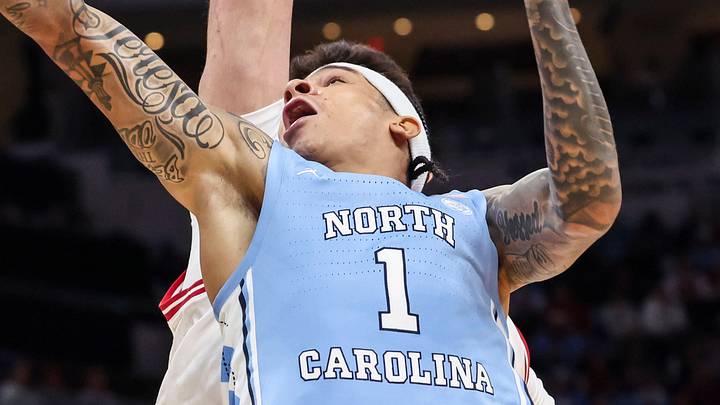
North Carolina basketball fans are still waiting for answers, and the uncertainty surrounding Cameron Fens’ eligibility has become one of the biggest talking points surrounding the Tar Heels ahead of the 2026–27 season.
For head coach Michael Malone, the situation could hardly be more frustrating. North Carolina needs to establish its identity under a new coaching era, and the availability of a seven-foot center could play a significant role in determining how quickly the team finds its rhythm. Yet, despite the growing anticipation surrounding the upcoming season, Fens remains sidelined from game action while his eligibility situation continues to unfold.
The question on the minds of Tar Heels supporters is straightforward: Will Cameron Fens finally receive the green light to play, or could North Carolina be forced to begin the season without one of its most important frontcourt options?
At the moment, there is no confirmed resolution in the information available. However, understanding why Fens remains ineligible while other experienced college players have received opportunities to compete is essential to understanding the situation.
The Eligibility Mystery Frustrating UNC Fans
Fens, a transfer from South Dakota, was expected to provide North Carolina with a valuable presence in the paint. His size and potential role at center make his eligibility particularly important as Malone and his staff prepare the Tar Heels for a demanding schedule.
Unfortunately for UNC, the big man has not yet been cleared to play.
That has created understandable frustration among fans, especially because several other fifth-year college basketball players have found pathways to eligibility for the 2026–27 season. Supporters naturally want to know why some players can return to the court while Fens remains unable to do so.
The situation is not necessarily a reflection of Fens’ ability, commitment, or standing within the program. Instead, the central issue described in the eligibility dispute concerns the rules governing how many seasons a college athlete can compete and how those rules apply to players who enrolled before the latest changes.
That distinction matters. Eligibility decisions can depend on an athlete’s individual circumstances, the rules applicable to their college career, and the legal proceedings affecting their case. Consequently, two players with apparently similar histories can find themselves facing different outcomes.
For North Carolina, that uncertainty creates a difficult challenge. Malone must prepare his team for the season while the coaching staff waits to learn whether an important roster piece will be available when the games begin.
The Five-for-Five Rule: Why Does It Matter?
To understand the controversy, it is necessary to examine the NCAA eligibility framework described in the reports surrounding Fens’ situation.
The so-called “five-for-five” model has been discussed as a framework allowing Division I and Division II student-athletes five seasons of competition within a five-year period. Under the rule as described in the supplied report, the eligibility clock begins when an athlete initially enrolls in college full-time or at the beginning of the academic year after turning 19, whichever occurs first.
However, the critical question for athletes such as Fens is whether the new framework applies to players who entered college under the previous eligibility system.
According to the information provided, athletes who began college in the 2022 recruiting class are not automatically covered by the new arrangement. Their eligibility situations remain tied to the rules under which they originally entered college, leading some players to challenge the restrictions through legal action.
That is where the situation becomes complicated.
A rule change does not necessarily mean every athlete immediately receives another season of eligibility. The way a new rule is implemented, the dates involved, and any applicable court orders can determine whether an individual athlete benefits.
For Fens, the dispute has therefore become about more than simply being an experienced player who wants another opportunity. His case involves the question of whether he can receive the same opportunity that certain other athletes have obtained through separate legal proceedings.
Until his situation is resolved, UNC must continue preparing without certainty about when he can return to game action.
Why Seth Trimble’s Situation Has Raised More Questions
One comparison that has attracted attention among college basketball fans is Seth Trimble, a former North Carolina player who is now with Louisville.
Trimble has reportedly been in a comparable eligibility situation. However, the legal route associated with his case differs from the one pursued by Fens.
As described in the supplied report, Trimble filed his case in Kentucky, while Fens pursued his case in Tennessee. The distinction is significant because lawsuits involving eligibility disputes can produce different temporary outcomes depending on the court, the arguments presented, and the specific relief granted.
Trimble’s reported temporary eligibility has consequently intensified questions about why Fens has not received the same opportunity.
From the perspective of UNC supporters, the comparison is difficult to ignore. If one player can receive temporary permission to compete while another player with a seemingly similar background remains sidelined, fans naturally want an explanation.
However, the two cases should not automatically be treated as legally identical. Different lawsuits can involve different circumstances and court orders, meaning one athlete’s outcome does not guarantee the same result for another.
That is precisely why the broader eligibility debate has become so confusing. There is no guarantee that one decision will immediately settle every other athlete’s case across the country.
For Fens and North Carolina, the important development will be any decision or legal update that specifically affects his eligibility.
Why Cameron Fens Could Be So Important to Michael Malone
While the legal questions continue, North Carolina still has a basketball season to prepare for.
And that is where the situation becomes particularly important for Malone.
A seven-foot center can influence a team’s performance in several ways. His presence can help protect the rim, contest shots, secure defensive rebounds, provide an interior target, and create more flexibility when opposing teams attack the basket.
Even when a center does not lead the team in scoring, his impact can extend across the entire defensive structure.
North Carolina’s exhibition performances have reportedly highlighted concerns about rebounding and the need for greater frontcourt stability. In the supplied account, the Tar Heels were outrebounded 53–31 by Indiana, which also collected 20 offensive rebounds and scored 17 second-chance points.
Those numbers illustrate why interior presence and defensive rebounding are receiving attention. Giving an opponent repeated opportunities can undermine an otherwise competitive performance, particularly against teams with strong frontcourts.
Fens’ availability would not automatically solve every problem. Rebounding requires collective effort, sound positioning, physicality, and communication from guards and forwards as well as centers. Nevertheless, having another capable big man could give Malone additional options as he evaluates his rotations.
The question is whether the coaching staff will have that option when the regular season begins.
Could UNC Really Begin Opening Night Without Him?
That possibility remains the central concern for Tar Heels fans.
Based on the supplied report, Fens can participate in practices and other team activities but is currently not permitted to play in games. That distinction allows him to remain involved with the program, although it does not resolve the immediate problem facing the coaching staff.
Practicing with the team can help a player develop chemistry, learn the system, and prepare physically. But game experience is different, and a player who cannot compete in official contests cannot contribute directly when the team needs him most.
If the eligibility issue remains unresolved, Malone will have to plan around the players who are available. That could mean adjusting matchups, distributing minutes differently, or relying more heavily on alternative frontcourt combinations.
It would also place greater importance on the team’s collective rebounding and interior defense.
Still, it would be premature to conclude that Fens will definitely miss opening night. The available information does not establish a final outcome, and eligibility disputes can develop quickly as legal proceedings and NCAA decisions progress.
For now, UNC must prepare for both possibilities: Fens becoming available and the team having to begin the season without him.
What Happens Next for Cameron Fens?
The uncertainty surrounding Fens is part of a wider debate over college athletics, eligibility rules, and the consequences of changing policies for athletes whose college careers began under an earlier system.
Players want clarity about how many seasons they can compete. Coaches need reliable information to build their rosters. Fans want to know which players will be available. Meanwhile, courts and governing bodies may reach decisions that affect individual athletes differently.
That combination has created a frustrating environment for programs caught between roster planning and unresolved eligibility questions.
For Malone, the priority is to keep North Carolina prepared regardless of the final decision. For Fens, the immediate objective is to obtain clarity about whether he can compete. And for Tar Heels supporters, the hope is that the situation will be resolved before his absence becomes a significant obstacle to the team’s plans.
There is no confirmed guarantee that Fens will be cleared before opening night, but there is also no basis to declare that his season is definitively over.
The bottom line: Cameron Fens’ eligibility remains a major question for North Carolina, and the difference between his situation and that of other fifth-year players has raised understandable concerns. His size and potential role make the issue particularly important as Michael Malone prepares the Tar Heels for the 2026–27 campaign.
Will Fens receive the opportunity to take the court, or will UNC have to begin the season without its seven-foot center? Until an official resolution emerges, that question will continue to hang over Chapel Hill.
Tar Heels fans, what do you think? How important would Cameron Fens be to UNC’s chances this season, and should the eligibility rules be applied consistently to players in
similar situations? Share your thoughts and join the conversation!