For 116 seasons, North Carolina basketball has represented far more than wins, losses and championship trophies. It has been built on tradition, excellence, unforgettable players and legendary coaches who have helped establish one of the most respected programs in college basketball history.
Now, another chapter is about to begin.
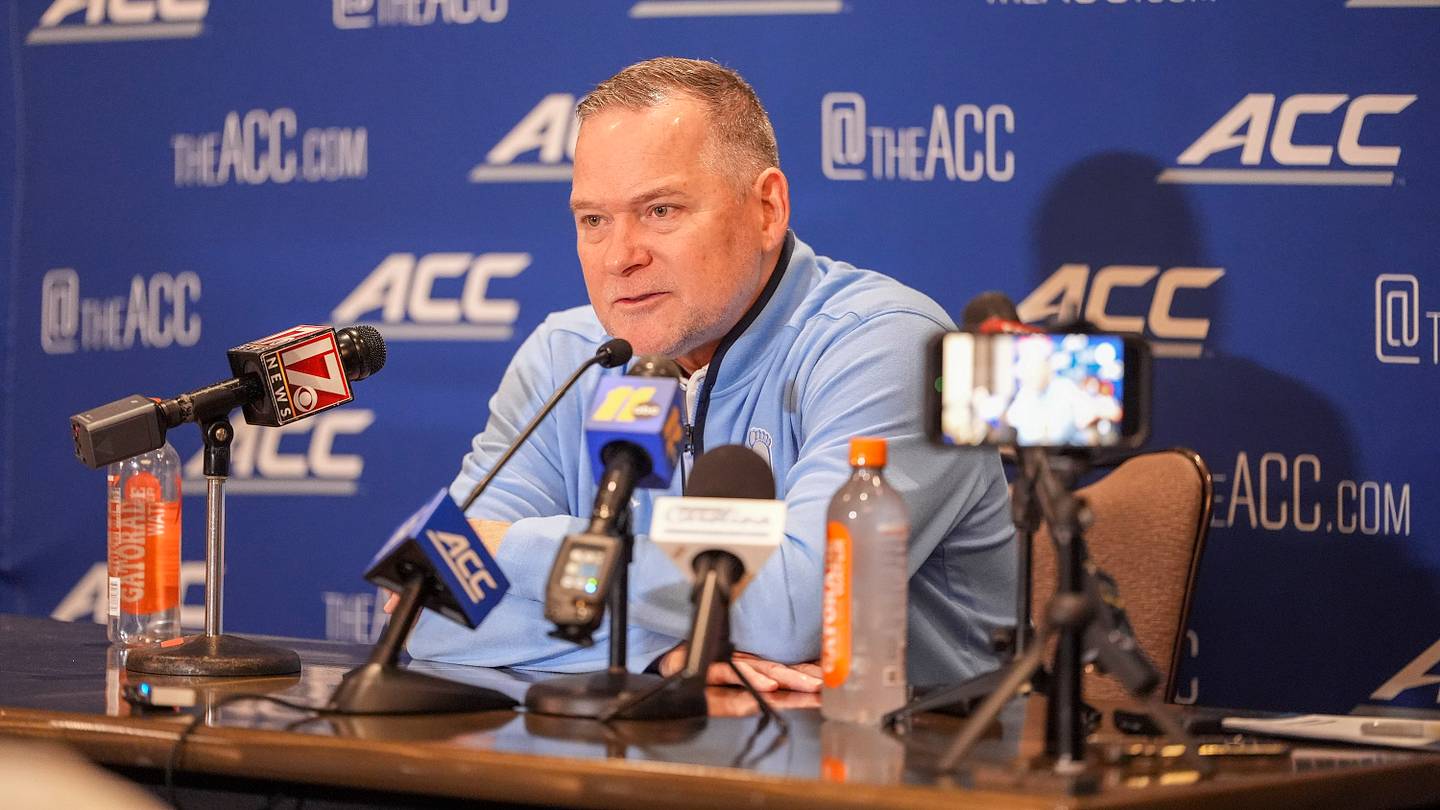
As the Tar Heels officially open their 2026-27 season, a new face will lead the program into an unfamiliar but exciting future. Michael Malone takes charge of North Carolina for the first time in a regular-season game, marking the beginning of a new era in Chapel Hill. Although the coaching transition represents a significant departure from the program’s historical identity, one thing remains unchanged: the expectation to compete for championships.
Carolina blue will once again fill the Dean Smith Center. The familiar argyle will remain visible, championship banners will continue to hang proudly above the court, and thousands of supporters will gather to cheer on the Tar Heels. The traditions that have defined generations of North Carolina basketball will remain firmly in place.
However, the man directing the team from the sidelines will be different.
For the first time in more than seven decades, UNC has appointed a head coach without a previous playing or assistant-coaching connection to the Carolina basketball family. Malone becomes the first outsider to occupy the position since Frank McGuire took over in 1952.
That makes this season particularly significant.
MICHAEL MALONE EMBRACES THE CHALLENGE OF BECOMING PART OF THE CAROLINA FAMILY
North Carolina’s coaching history is filled with remarkable names. From Frank McGuire to Dean Smith and Roy Williams, each generation contributed something special to a program that consistently expects excellence.
For 74 years, the coaching succession maintained a direct connection to the Carolina basketball tradition. Former players became coaches, assistants learned from established leaders, and the program developed a basketball family that extended across generations.
Malone arrives through a different route.
He did not play for the Tar Heels, serve as an assistant in Chapel Hill or spend years learning the program’s culture from its previous coaching staff. Instead, he built his reputation through a distinguished coaching career, including leading the Denver Nuggets to an NBA championship.
Now, his biggest challenge is translating that experience into success at one of college basketball’s most demanding destinations.
The expectations will be enormous, but Malone understands the responsibility that comes with leading a program of this magnitude.
His appointment represents more than a coaching change. It signals a willingness to embrace a different basketball philosophy while protecting the traditions that have made North Carolina special.
Once he walks onto the Dean Smith Center floor as the Tar Heels’ head coach, his connection to the program will officially begin.
NEW TAR HEELS READY TO CREATE THEIR OWN MEMORIES
While Malone experiences his first regular-season game as North Carolina’s head coach, several players will also experience an unforgettable milestone.
For the newest members of the roster, stepping onto the court in a meaningful game at the Dean Smith Center is an opportunity they will remember long after their college careers are over.
Exhibition games provide an opportunity to develop chemistry, evaluate talent and become comfortable with a new system. However, the atmosphere surrounding a regular-season opener carries a different significance.
The players will enter the arena knowing that the results now count.
They will hear the crowd, experience the excitement surrounding Carolina basketball and represent a program whose history stretches across generations.
Every player has a different journey. Some arrived in Chapel Hill after dreaming about wearing the Carolina blue uniform for years. Others discovered the opportunity through recruiting, the transfer portal or unexpected circumstances.
Regardless of how they arrived, they now share the same responsibility.
They are no longer simply admiring North Carolina’s history. They are becoming part of it.
For Malone, establishing that collective identity will be one of the most important challenges of his first season. A roster featuring new faces must develop chemistry, understand his expectations and learn how to compete together against increasingly difficult opposition.
Talent alone will not guarantee success. Leadership, discipline, defensive commitment and consistency will ultimately determine how far this group can go.
THE QUESTIONS SURROUNDING MALONE’S FIRST SEASON
There are plenty of reasons for excitement heading into the 2026-27 campaign, but there are also important questions that will take time to answer.
What will Malone’s version of Carolina basketball look like? How quickly can the new roster adjust to his coaching philosophy? Will his professional basketball experience help the Tar Heels develop an identity capable of competing with the nation’s elite programs?
These questions will follow North Carolina throughout the season.
Malone must find the right balance between implementing his preferred style and respecting the identity that has made the program successful for generations.
His experience in the NBA could bring a different perspective to player development, offensive organization and preparation. However, college basketball presents its own challenges, particularly when managing roster turnover, player development and the intensity of the ACC schedule.
The Tar Heels cannot afford to rely entirely on their famous name. They must establish themselves through performances on the court.
That process begins with the season opener.
A NEW CHAPTER, BUT THE SAME CHAMPIONSHIP EXPECTATIONS
The beginning of the Malone era represents a genuine turning point for North Carolina basketball.
For the first time since 1952, the program is moving forward without a direct connection to its previous coaching lineage. That is a significant change for a university whose basketball identity has been shaped by generations of familiar faces.
But embracing a new leader does not require abandoning the past.
The banners will remain. The traditions will continue. The expectations will be passed down to another generation of players.
Malone does not need to have worn a Carolina uniform to understand the significance of the opportunity he has received. Likewise, his players do not need decades of history with the university to appreciate what representing North Carolina means.
They simply need to understand the responsibility.
The 117th season offers an opportunity to create new memories, establish a new identity and remind college basketball that Carolina remains determined to compete at the highest level.
The faces may have changed, the coaching philosophy may look different and the journey may take an unfamiliar direction.