


UNC Basketball Just Made a MAJOR Change in the Backcourt — Michael Malone’s New Guard Room Takes Shape
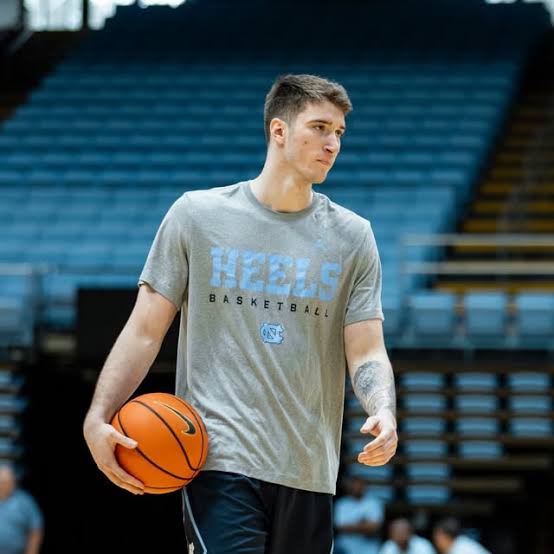
North Carolina has undergone a major transformation in the backcourt, with Michael Malone using the transfer portal to bring several new pieces into the program. The arrival of Neoklis Avdalas, Terrence Brown and Matt Able gives the Tar Heels a dramatically different look at the guard positions heading into the new season.
There is a noticeably different feel around the North Carolina backcourt.
After taking over the Tar Heels, Michael Malone has wasted little time putting his own stamp on the roster. One of the clearest examples of that approach can be seen in the guard room, where the program has undergone a significant makeover through the transfer portal.
Rather than simply relying on the previous personnel, Malone has brought in several new pieces who could play important roles for North Carolina.
Among the additions are Neoklis Avdalas from Virginia Tech, Terrence Brown from Utah and Matt Able from NC State.
Three players.
Three different backgrounds.
And potentially three important pieces of a completely revamped UNC backcourt.
Malone has wasted no time reshaping the guard position
When a new coach arrives at a major program, one of the biggest challenges is determining which parts of the existing roster fit his vision.
For Malone, the guard position appears to have been an area that required significant attention.
The transfer portal provided an opportunity to address that immediately.
Instead of making only minor adjustments, Malone went aggressively after additional backcourt talent, bringing in players who could give the Tar Heels more options as they construct their rotation.
That makes the upcoming season particularly intriguing.
The exact hierarchy within the guard rotation will have to be established, but the competition should be much different from what North Carolina fans saw previously.
Neoklis Avdalas brings another intriguing piece to Chapel Hill
One of the most notable additions is Neoklis Avdalas, who arrives from Virginia Tech.
His addition gives Malone another player to work with as he builds the new-look Tar Heels backcourt.
For UNC, adding Avdalas is significant because it continues a broader strategy of using the transfer portal to reshape the roster rather than relying exclusively on traditional recruiting.
His arrival also creates another question for the upcoming season:
How large will his role become?
That answer will ultimately be determined on the court.
With multiple new guards competing for opportunities, every player will have to establish himself within Malone’s system.
For now, Avdalas represents another intriguing piece of a backcourt that looks substantially different.
Terrence Brown gives Malone another new option
The Tar Heels also added Terrence Brown from Utah.
Brown’s arrival further increases the number of options available to Malone at the guard positions.
That could become particularly valuable over the course of a long college basketball season.
Depth in the backcourt can give a coach more flexibility when managing different opponents, lineups and game situations.
Rather than being locked into one combination of guards, Malone now has several new pieces that he can evaluate and fit together.
The biggest question is how those pieces ultimately complement one another.
Matt Able adds another layer to the makeover
The third major addition highlighted in the new-look backcourt is Matt Able, who arrives from NC State.
His move to Chapel Hill gives Malone another player with experience in college basketball and another option as the Tar Heels determine their rotation.
Able’s addition is especially notable because it means UNC has not simply added one replacement at the guard position.
The program has brought in multiple players.
That creates competition.
It also gives Malone flexibility.
And perhaps most importantly, it gives the new coaching staff the opportunity to build a backcourt around the characteristics it wants to emphasize.
The biggest question: Who becomes the primary option?
While the names are beginning to come together, the most interesting part of the story is still unresolved.
Who will actually emerge as the key guard for North Carolina?
The transfer additions provide Malone with options, but having options and establishing a successful rotation are two different things.
The preseason will be crucial.
Players will have to learn the system, develop chemistry and demonstrate that they can execute their responsibilities consistently.
That process could determine which combinations eventually become Malone’s preferred lineups.
For UNC fans, that uncertainty could be one of the most fascinating storylines entering the season.
A completely different look in Chapel Hill
The backcourt makeover is also symbolic of the larger transition taking place at North Carolina.
Malone is attempting to establish his own identity at one of the most recognizable programs in college basketball.
That means evaluating the roster, identifying areas that need improvement and aggressively pursuing players who can help implement his vision.
The transfer portal has become an increasingly important part of that process.
UNC’s additions at guard show just how much emphasis Malone has placed on rebuilding that area.
The result is a backcourt that should have a distinctly different identity.
Why the new additions matter
The importance of the three additions goes beyond simply adding names to a roster.
A strong backcourt can influence virtually every part of a team’s offensive structure.
Guards initiate possessions.
They handle the ball.
They create opportunities.
They defend opposing perimeter players.
They help determine the pace of a game.
And when games become tight late in the second half, the ball is often in the hands of the backcourt.
That makes Malone’s decision to heavily reshape the position particularly important.
If the new pieces develop chemistry and settle into complementary roles, the Tar Heels could look very different from the team fans watched previously.
Competition could become one of UNC’s biggest storylines
One of the immediate consequences of adding several guards is competition.
There are only so many minutes available.
That means Avdalas, Brown, Able and the rest of UNC’s backcourt options will have to compete for playing time.
For Malone, that is not necessarily a problem.
Competition can give a coaching staff more information.
It allows players to establish their roles based on what they demonstrate in practices and games rather than simply what was expected of them when they arrived.
The challenge will be turning that competition into cohesion.
North Carolina cannot have several players simply trying to establish individual roles.
The ultimate objective will be finding combinations that work together.
Malone’s vision is becoming clearer
One thing is already becoming apparent from the roster construction: Malone is not simply making cosmetic changes.
The backcourt has been heavily revamped.
Avdalas.
Brown.
Able.
Each addition represents another piece of the new UNC roster.
And while it is too early to know exactly how productive the group will become, the composition of the roster suggests that Malone wants plenty of options at the guard positions.
That flexibility could prove important throughout the season.
The preseason will provide the first clues
The next stage will be watching how these players fit together.
Individual talent can attract attention, but college basketball ultimately requires players to function within a system.
The preseason should begin answering some of the biggest questions.
Who handles the ball most frequently?
Which guards become the primary creators?
Who earns the most minutes?
Which players complement one another?
And perhaps most importantly, which newcomers prove capable of making an immediate impact?
Those answers will not come simply from recruiting profiles or transfer-portal résumés.
They will come from what happens on the court.
UNC’s new era is taking shape
For North Carolina supporters, the transformation of the backcourt offers an early glimpse at what the Malone era could look like.
The coaching change has brought a new vision.
The transfer portal has provided the means to execute that vision.
And the guard position has become one of the clearest examples of that transformation.
Avdalas coming from Virginia Tech, Brown arriving from Utah and Able transferring from NC State give Malone three additional pieces as he attempts to build the right combination.
Now the challenge is turning those additions into a functioning unit.
That process will take time.
But the foundation is already being put in place.
The mystery surrounding the rotation remains
Perhaps the most intriguing part of UNC’s revamped backcourt is that there is still no definitive answer regarding how everything will look once the season begins.
The new arrivals have created possibilities rather than guarantees.
That uncertainty should make the preseason particularly compelling.
One player could emerge as the primary ball-handler.
Another could become an important scoring option.
Another might provide valuable depth and earn his way into a larger role.
The possibilities are numerous.
And Malone now has the opportunity to experiment with different combinations before settling on his preferred rotation.
The Tar Heels are betting on a new backcourt
North Carolina’s decision to heavily invest in the transfer portal at the guard position represents one of the clearest roster changes of the new era.
The additions of Neoklis Avdalas, Terrence Brown and Matt Able give Malone a collection of new pieces to evaluate.
Whether those additions ultimately translate into production remains to be seen.
But one thing is already clear:
The UNC backcourt will not look the same.
Malone has made significant changes, and now the attention shifts from the transfer portal to the basketball court.
That is where the new pieces will finally have the opportunity to show what they can bring.
And for Tar Heels fans, the biggest question is no longer whether the backcourt has changed.
It has.
Now everyone wants to know just how good this new version of North Carolina’s guard room can become.




